Trump Declares Ohio a 'Golden Age' While Asking Supporters to Pretend He's Running
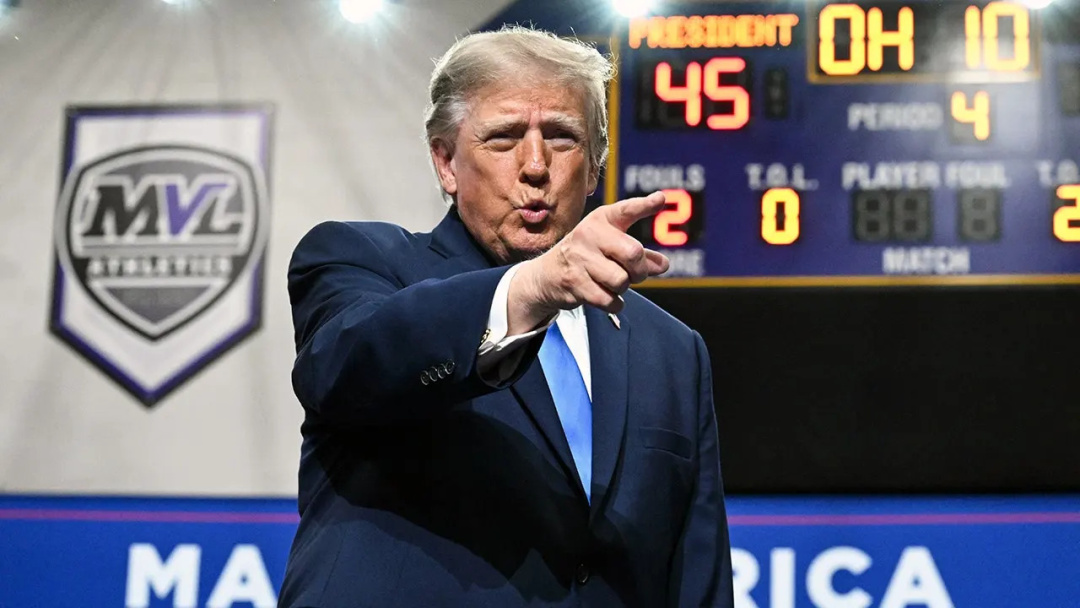
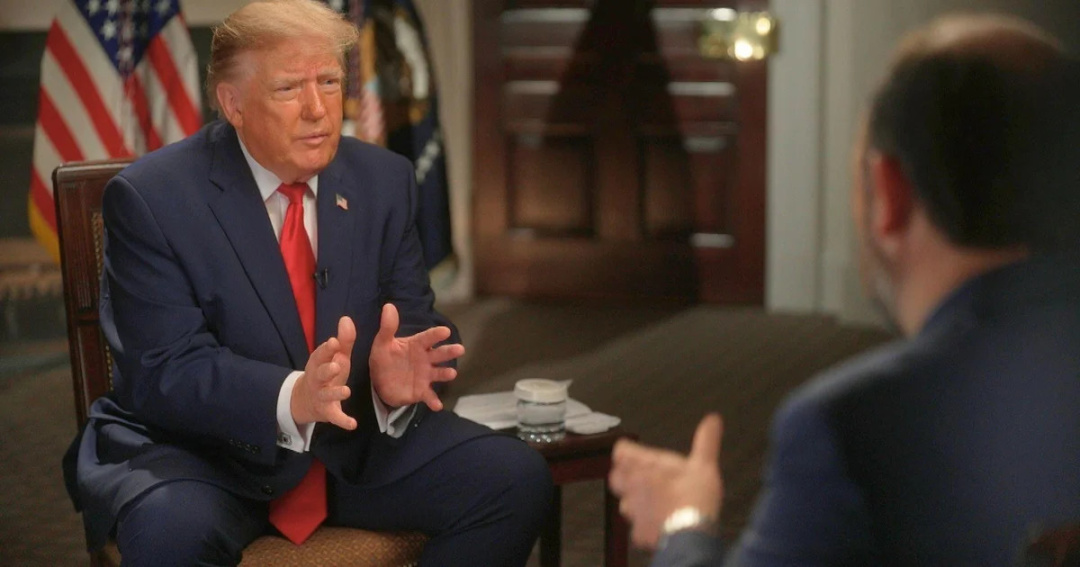
Amidst what some are calling a new 'golden age' for America, President Trump took to the stage in Ohio with an innovative campaign strategy: asking voters to simply pretend he's on the ballot. That's right, folks! In a political twist that defies logic, he encouraged the crowd to imagine his name there, a tactic that truly embodies the spirit of modern political theater.
As he rallied for Republican candidates Jon Husted and Vivek Ramaswamy, Trump proclaimed Ohio to be 'booming' thanks to his policies, while simultaneously suggesting that success hinges on an imaginary participation. Just imagine it—a world where voters can ignore the very real absence of their preferred candidate and still cast an effective vote! This revolutionary approach could redefine what it means to engage in electoral politics.
Still Beats Watergate:
Sponsor success. Continue reading:
The rally, bursting with promises of new jobs and investments, featured Trump touting a string of economic victories that his administration supposedly orchestrated. However, the kicker was his instruction to voters: "Just pretend that I’m running. When I run, we win!" This begs the question: Is it really enough to cheerlead from the sidelines and hope that a phantom presence can magically secure victories?
And while Trump touted large investments in Ohio, such as a $400 million project from Stellantis, it’s unclear whether these developments can sustain themselves on wishful thinking alone. The juxtaposition of real investments against a backdrop of imaginary candidacies presents a comical yet troubling insight into the nature of political promises. If Ohio's growth relies solely on pretending, we might need a new lexicon for what constitutes economic success.
Trump's Rally: A Fantasy of Unity and Success
Yet, there were deeper implications woven into Trump's performance. He used the rally not just to rally support but to frame opposition to his party's policies as an attack on this wonderful 'golden age.' The subtleties of his messaging—lauding tariffs while calling for unity—quickly turned into a fantastical narrative where every misstep could be shrugged off as mere collateral damage in the great game of political posturing.
As the rally progressed, Trump’s chatter about legislative acts and economic booms felt increasingly disconnected from reality. Plans for a Ratepayer Protection Act, pitched as a safety net for electricity costs, did little to clarify how imaginary candidates could influence actual legislative outcomes. The bill fell flat just days before the rally, yet here was Trump pledging to sign it if only Congress would see the light.
Your takeaway
In the grand finale of his performance, he paid tribute to Springfield, Ohio, through a recitation of the poem "The Snake," likening his immigration policies to a tale of caution. This theatrical moment underscored the disconnect between the administration’s actions and the fantastical narratives spun from the podium. The audience roared, not just at Trump’s words but at the absurd notion that they could enact change by merely pretending to support a candidate who isn’t even on the ballot.
The night culminated in a call to action: with the midterms looming, Ohioans were urged to vote as if their choices could literally materialize from the ether. As if invoking a magic spell, Trump left them with a paradox: support the candidates as if they were him, even if he’s just a figment of their imagination on this political stage. In the end, one must wonder—if pretending is the new electoral strategy, what does that say about our understanding of representation?