Trump Bans Reporters to Protect Us From ‘Fake News’ That Might Be True
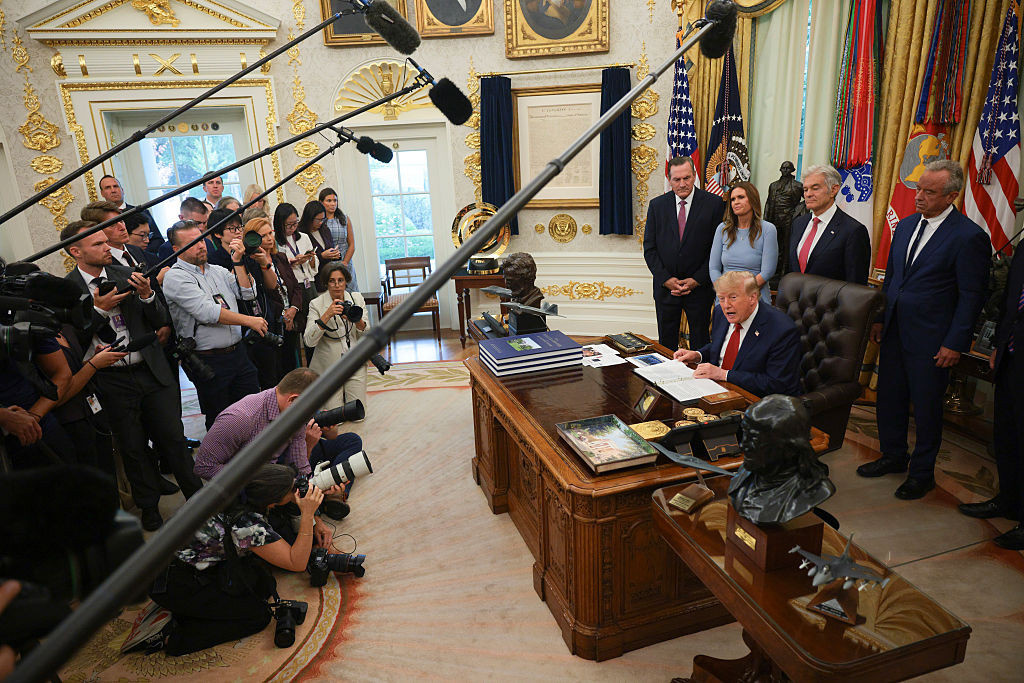
In a dazzling display of executive authority, President Trump has decided to give the boot to CNN, MS NOW, and Politico, effectively banning them from the White House for the treasonous act of reporting ‘fake news.’ This strategic retreat comes on the heels of the administration’s claim that these outlets pose a national security risk, proving once again that in Trump’s world, the definition of safety extends to the comfort of not hearing anything critical.
Naturally, this bold move has sparked a flurry of legal battles as the banned outlets have filed lawsuits faster than you can say ‘First Amendment.’ After all, what’s more dangerous than a free press? A press that gets the facts wrong, which, according to Trump, happens about 110% of the time. The administration argues that the media’s alleged inaccuracies create a major security threat, especially if the truth happens to slip through their fingers.
Still Beats Watergate:
Sponsor success. Continue reading:
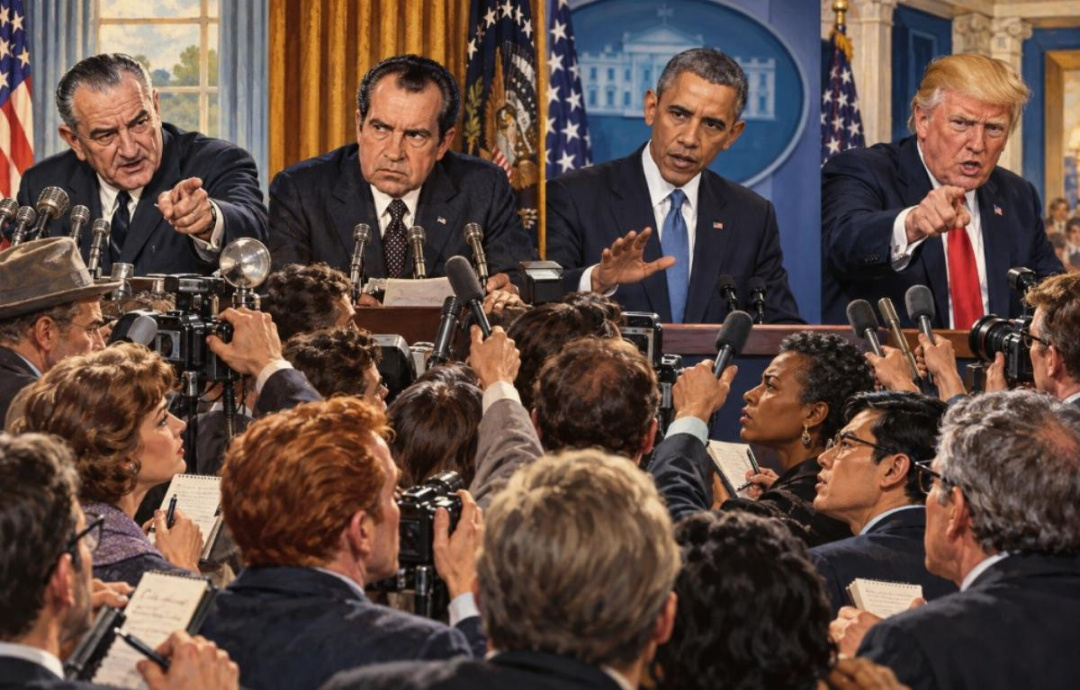
To illustrate this point, consider the historic precedent of presidents battling the media; it’s practically a rite of passage. Lincoln had his way with journalists, famously imprisoning dissenters. Nixon barred reporters like it was a VIP list at a nightclub, and Obama attempted to exclude Fox News from certain press events. Clearly, Trump is just following in the grand footsteps of his predecessors who understood that true freedom means keeping the right people in line.
But let’s not forget the pièce de résistance: Trump TV, a dazzling new channel launched in the wake of the media revolt, which promises to deliver the administration’s greatest hits on a 24/7 loop. It’s as if they’ve created a reality show where the only things missing are the dramatic pauses and a live audience gasping in shock at the latest political antics. The channel assures us that everything broadcasted is ‘unfiltered’—because when you’re living in a world where facts don’t matter, why not put your own spin on reality?
The Legal Battle Over Press Freedom
As the saga continues, the Department of Justice has taken a firm stand, declaring that the president has the authority to ban news outlets if they threaten national security by publishing ‘sensitive information.’ This statement raises the question: is the real threat the information itself, or the fact that it contradicts the administration’s narrative? And with a judge temporarily restoring access to the banned outlets, one wonders if we’re witnessing a legal tug-of-war that could make or break the future of press freedoms in this country.
So, as Americans weigh the importance of press freedom against a torrent of ‘fake news,’ one thing is certain: we’re all living through a masterclass in how to redefine the parameters of reality. Because in the end, it’s not just about the news anymore; it’s about who gets to decide what news is fit for consumption—and that’s a privilege we can all aspire to achieve.
The Future of White House Access
While the debate rages on, one cannot help but wonder what will happen next in this ongoing saga. Will Trump persist with his media bans? Will he launch a new initiative to create a ‘truthful press’ that only reports the facts as dictated by the administration? As the legal battles unfold, it seems we may be witnessing the birth of a new era in which access to information is not just a right, but a privilege reserved for those who tow the party line.
In the midst of all this, one thing remains clear: we’re in for a show that promises to keep on giving, where the narrative is rewritten faster than the news cycle can keep up. Perhaps the real question we should be asking ourselves is: how much longer until the entire media landscape is transformed into a carefully curated stage, complete with applause signs and scripted questions? The answer may surprise us all, or perhaps it will be just another episode in the grand political theater.