Susan Collins' Wobbly Defense Against Navatek Scandal Claims Backfires
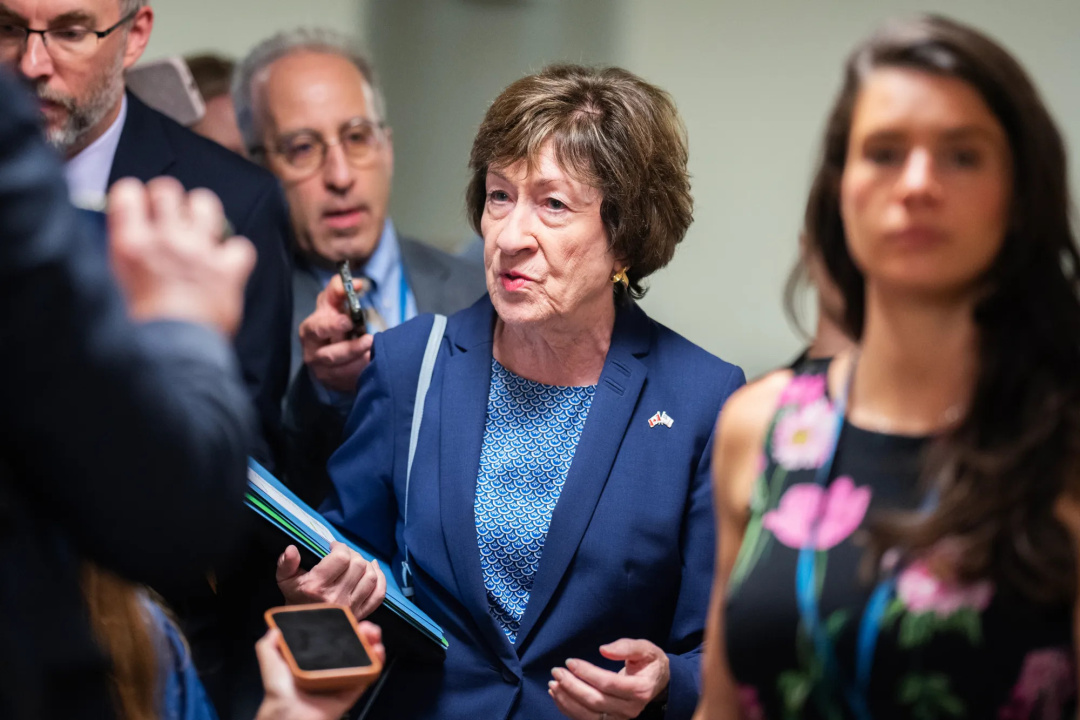
As the scandal surrounding Senator Susan Collins' ties to the Hawaii defense contractor Navatek continues to unravel, so does her defense, which seems to be built on a wobbly foundation of misleading claims. The investigation, reported by ProPublica, has cast a shadow over Collins' re-election campaign, revealing that she and her staff have fed the media a series of inaccuracies while trying to downplay serious allegations of corruption.
ProPublica's latest exposé dives deep into Collins' relationship with Martin Kao, the former CEO of Navatek and a major donor, who infamously admitted to exchanging campaign contributions for government contracts. This sordid confession came only after his guilty plea for various financial crimes. It seems that the FBI had been hovering around Collins and her top aides for several years, gathering evidence about their connections to Kao and his company.
Still Beats Watergate:
Sponsor success. Continue reading:
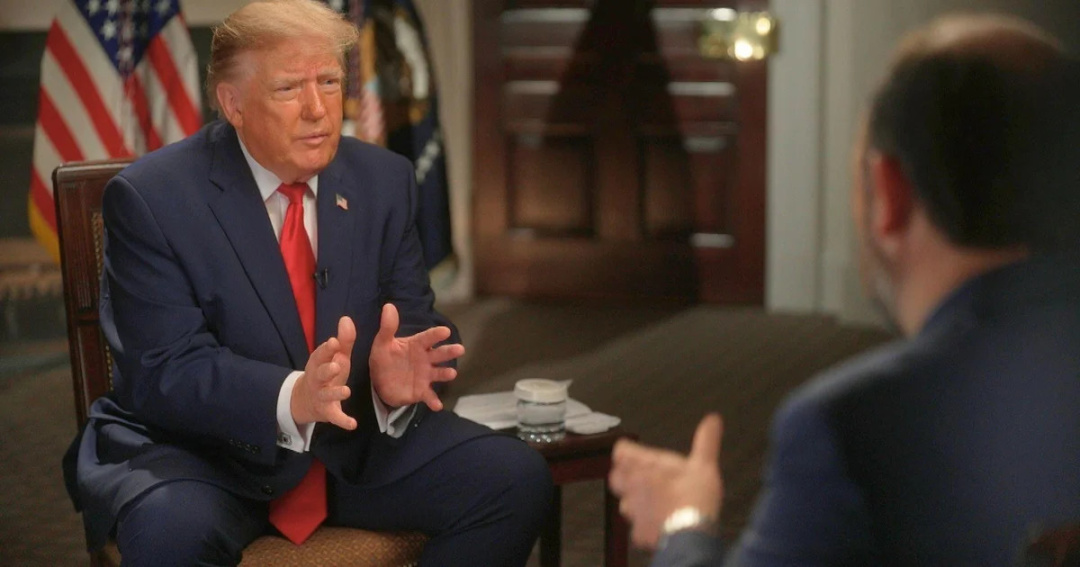
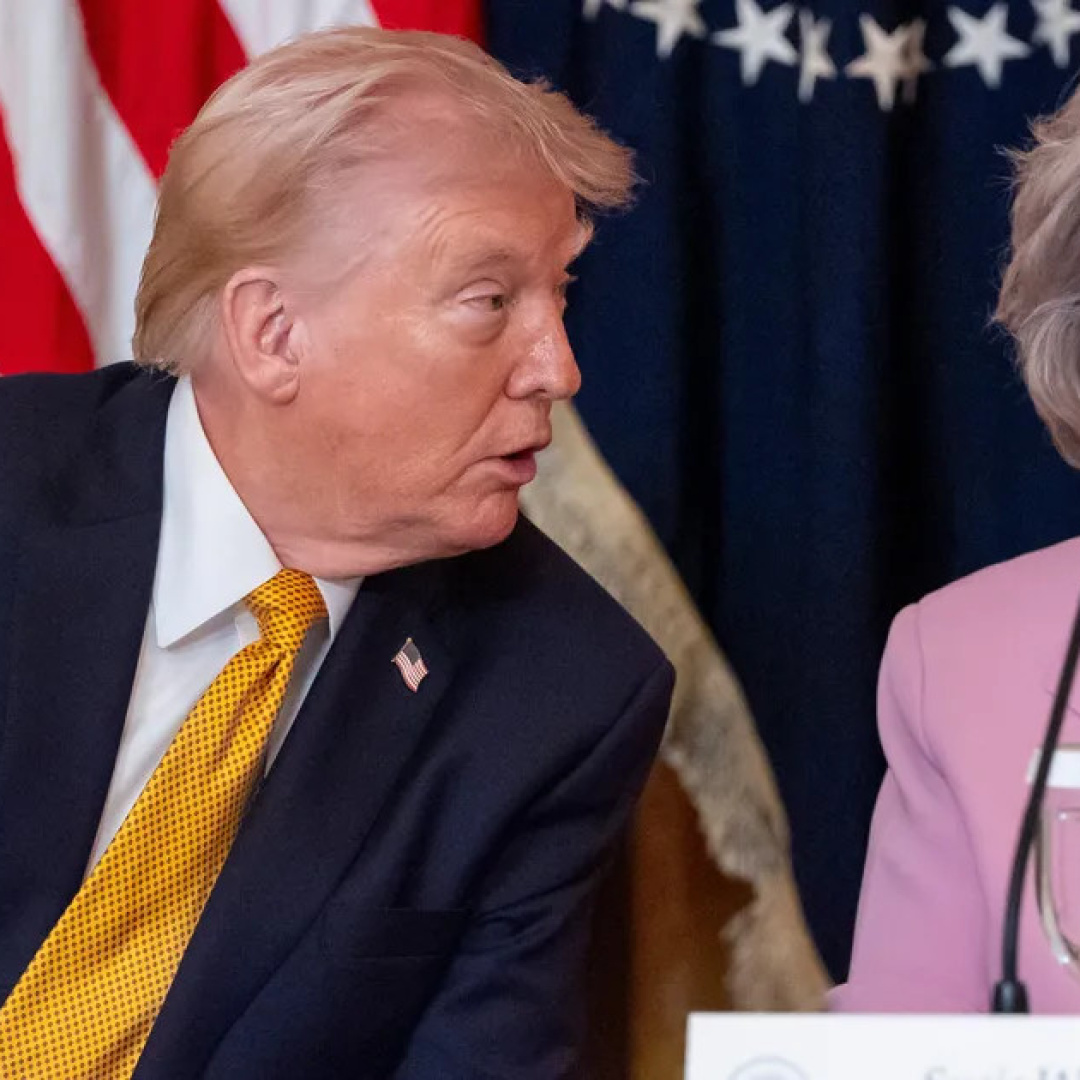
This investigation took a dramatic turn when President Trump intervened, effectively dismantling the team within the FBI that was looking into federal corruption, including the inquiries related to Kao. In a striking twist, Collins' defensive rhetoric claims that the Biden administration cleared her of any wrongdoing five years ago, but this assertion doesn’t quite match the timeline or the facts. An FBI spokesperson clarified that the investigation concerning Collins lingered long before Trump’s housecleaning at the Bureau, with interest piqued by Kao’s claims as recently as 2024.
Collins' supporters have busily been defending her innocence, but not without a few apparent missteps. During numerous media appearances, she insisted that the Justice Department had issued a full clearance for her and her campaign staff, but the timeline of investigations reveals otherwise. The core investigations were not concluded under Biden but were, in fact, dropped under Trump's administration, casting a pall over her claims of having been 'cleared' of wrongdoing. It’s almost as if her defense is akin to saying, "I didn’t cheat on the test, it was just the teacher who was absent!"
In the midst of this political drama, Kao's credibility—despite his own felonious background—has been partially upheld by the FBI's findings. Records show that some of his claims were corroborated through evidence collected during their investigation, illustrating a somewhat tangled web of deceit and exposure. Even though Collins’ team insists that they have no evidence of any direct communication between the senator and Kao, emails linking contributions and promises of gratitude add a layer of complication to her narrative. The fishy smell surrounding these donations is enough to make any political observer raise an eyebrow.
The Fallout of Financial Controversy
As the investigation gears up and public interest grows, it seems Collins is left holding the bag, desperately attempting to distance herself from the allegations even as more evidence emerges. The judge in Kao's case showed no leniency, offering him no benefits for his cooperation while emphasizing his numerous felonious acts. The tangled nature of Collins’ association with Kao raises significant questions about ethical conduct and the true nature of political alliances forged in the shadows of campaign finance.
For now, the narrative seems to be shaping up against Collins as her attempts to dismiss these significant claims as ‘old news’ are met with increasing skepticism. In a field where the truth is often muddled by the complexities of political machinations, her defense feels less like a shield and more like a crumbling fortress.
Your takeaway
As investigations continue, it remains unclear how this scandal will impact Collins' political future. With her narrative unraveling and the evidence contradicting her claims, voters may be left questioning not just her integrity, but the very foundations of campaign contributions and political accountability. The dynamics of this case are set to echo through the corridors of power, raising alarms about the lengths to which politicians will go to protect their interests amid the murky waters of Washington politics.