GOP Candidates Jump Ship as Trump Sinks in Polls
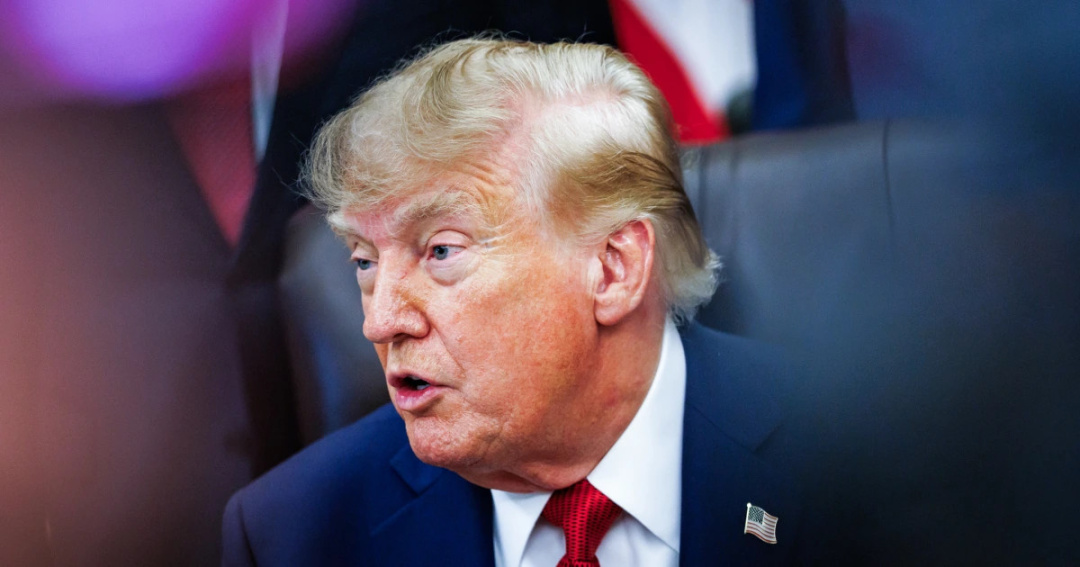
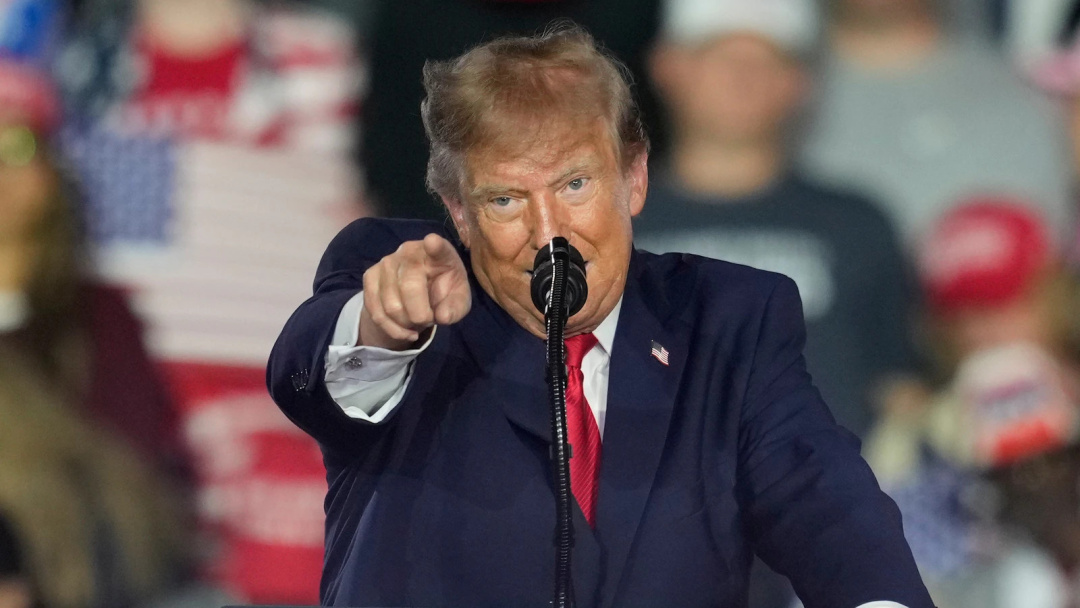
As the midterm election campaign heats up, the Republican party finds itself in an unexpected predicament—candidates are realizing that aligning too closely with Donald Trump may not be the best strategy for securing votes. In a sudden surge of GOP defections, several candidates are outright rejecting Trump's hardline stances, particularly regarding the increasingly unpopular Iran war.
During his recent speech at the United Nations General Assembly, Trump expressed optimism about striking a deal with Iran, suggesting they are merely waiting to see how he performs in the upcoming elections. However, this outlook is not shared by vulnerable Republican candidates on the ballot this November. Instead, they are clamoring for an immediate end to the conflict, influenced by a national NBC News poll showing that 55% of registered voters believe Trump's policies have adversely affected the economy. Clearly, the war is not winning them votes.
Still Beats Watergate:
Sponsor success. Continue reading:
Take Iowa Representative Ashley Hinson, for example. She recently called for the conflict to wrap up quickly, despite having previously supported Trump’s military actions. Additionally, in Michigan, GOP Senate nominee Mike Rogers and gubernatorial candidate John James are echoing calls to end the war. It seems these candidates have suddenly woken up to the reality that voters care more about their wallets than military engagements far away.
The ironies of these shifts are stark. These candidates, once staunch supporters of Trump's war policies, now find themselves criticizing the very decisions they once endorsed. Even as they pivot, the inconsistencies remain glaring, leaving voters to question whether this newfound awareness is genuine or just a clever campaign strategy to salvage their chances. It appears their political instincts are leading them to a safer shore, away from Trump's sinking ship.
Yet the GOP isn’t stopping at the Iran debate. Other candidates, such as Florida's Maria Elvira Salazar, are now bashing Trump’s controversial immigration tactics in campaign ads. Byron Donalds, also in Florida, has scrubbed most references to Trump from his campaign site, signaling a clear break. Meanwhile, Utah's John Curtis has even called for an investigation into Trump Jr.’s business dealings. Rubbing elbows with the GOP establishment? How adventurous!
But why are these candidates cutting ties with Trump now? Voter discontent with military actions and economic woes is forcing Republican candidates to reassess their messaging strategies. With 62% of voters stating that military action in Iran hasn’t been worth it, any alignment with Trump’s policies could be political suicide.
As candidates distance themselves from Trump, one must wonder: will this trend continue, or will the party cozy up to Trump again come election day? The internal conflict within the GOP is sure to provide a wealth of material for political satire, especially as they struggle to align traditional party principles with the evolving sentiments of an increasingly frustrated voter base.
The Complicated Reality of GOP Messaging
The current Republican messaging strategy in Texas encapsulates this dilemma perfectly. With crucial Senate races on the line, candidates are torn between catering to cultural issues like the anti-transgender agenda and the pressing economic concerns voters care about. Some strategists argue that focusing on social issues is wasteful during such economically charged times, while others believe these divisive topics will energize their base.
Such contradictory messaging confuses voters. On one hand, GOP ads promote anti-trans narratives; on the other, economic issues loom large in the electorate's mind. An NBC5 Dallas poll revealed that only 6% prioritize issues like abortion and trans rights compared to 47% who cite the economy as paramount. Amidst this confusion, the GOP message appears to be a haphazard blend of cultural panic and economic neglect.
As this election cycle unfolds, it becomes clear that the GOP’s path forward is fraught with contradictions. With Trump’s influence still looming large over the party yet candidates feeling the need to break away, the stage is set for continued chaos. If the trend of defections persists, we might soon witness a significant rebranding of the Republican party, leaving Trump scratching his head—perhaps even searching for a new political home.
Your Takeaway
The implications of these shifts are far-reaching. As discontent with Trump’s policies grows and GOP candidates scramble to reorient themselves, it highlights a party in turmoil. It’ll be fascinating to watch how these dynamics play out in the midterms and whether candidates can successfully distance themselves from Trump’s controversial legacy while still rallying their base. The stakes couldn’t be higher as the GOP grapples with its identity in a changing political landscape.