DOJ Employs Convicted Election Hacker in Bold Move for Voting Rights

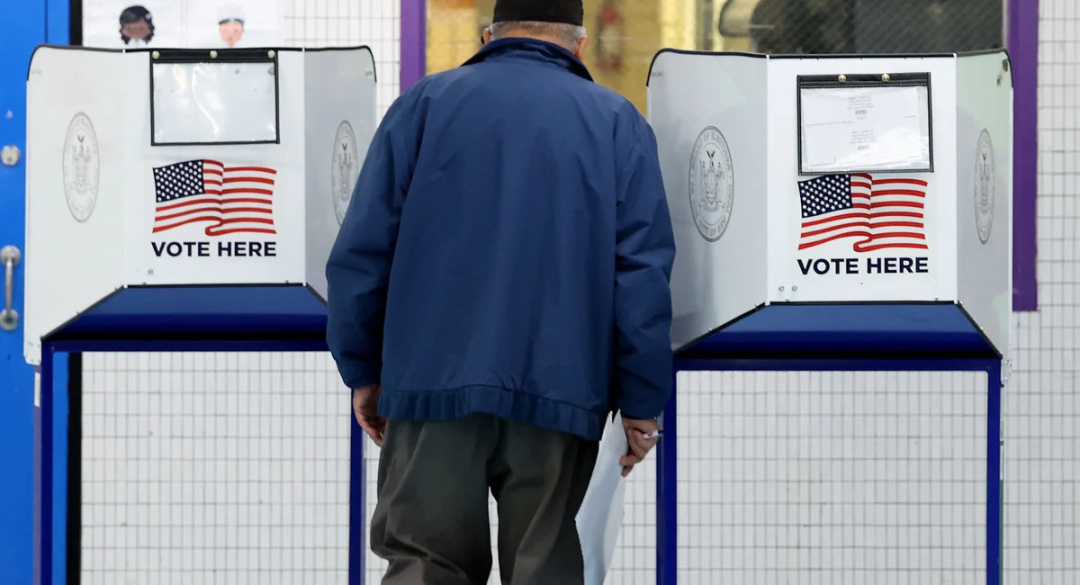
The U.S. Department of Justice has taken a daring step by hiring an attorney who previously confessed to illegally hacking into state and county election websites in Florida. This bold move has sparked both enthusiasm and outrage as the DOJ aims to bolster its voting rights division amidst an increasingly complex electoral landscape. In a recent operation in Minnesota, the newly appointed attorney not only participated but reportedly brought a unique perspective shaped by his past experiences in the world of election integrity—albeit a rather dubious one.
In an official statement, the DOJ articulated a commitment to ensuring that all voices are heard in the electoral process, stating that hiring a convicted hacker was a strategic decision designed to “broaden our understanding of potential vulnerabilities.” Officials emphasized that the attorney’s firsthand knowledge of hacking methods would be invaluable in developing robust strategies against election interference. Critics, however, have raised concerns that this approach may undermine the very integrity the DOJ seeks to protect, with some citing a potential conflict of interest that could arise from employing someone with a history of subverting election security.
Still Beats Watergate:
Sponsor success. Continue reading:
To further solidify this unconventional strategy, the DOJ has created a new compliance committee tasked with monitoring the attorney's activities. This committee will reportedly include members from various agencies, alongside a few experts in cybersecurity who may or may not have ties to the very firms the attorney once hacked. In an effort to quantify success, metrics will be established to measure the “depth of understanding” gained from the attorney's past transgressions, leading to a new initiative dubbed the “Hacker Insight Program.”
As part of the program, it is anticipated that the DOJ will host weekly seminars where the attorney will share tales of his past exploits, which could serve as case studies for the agency's future policy frameworks. This initiative aims not only to educate DOJ officials but also to promote a culture of transparency and proactive engagement with election security.
While some applaud the DOJ's innovative approach, others express skepticism about the message this sends regarding accountability and public service. As the nation gears up for another election cycle, the implications of this hiring will likely be scrutinized, with many wondering if this is the new normal for government agencies looking to adapt to the ever-evolving threats to democracy.
Ultimately, the DOJ’s decision to employ a convicted election hacker might just be the beginning of a radical new policy direction, one where transparency and past indiscretions go hand in hand in safeguarding the sanctity of the vote. As the agency rolls out its latest compliance protocols, only time will tell whether this audacious move will lead to enhanced election security or further complications in the already tumultuous world of political machinery.