Iran Ponders New Security Pact: Is It Time for a Regional Reality Check?
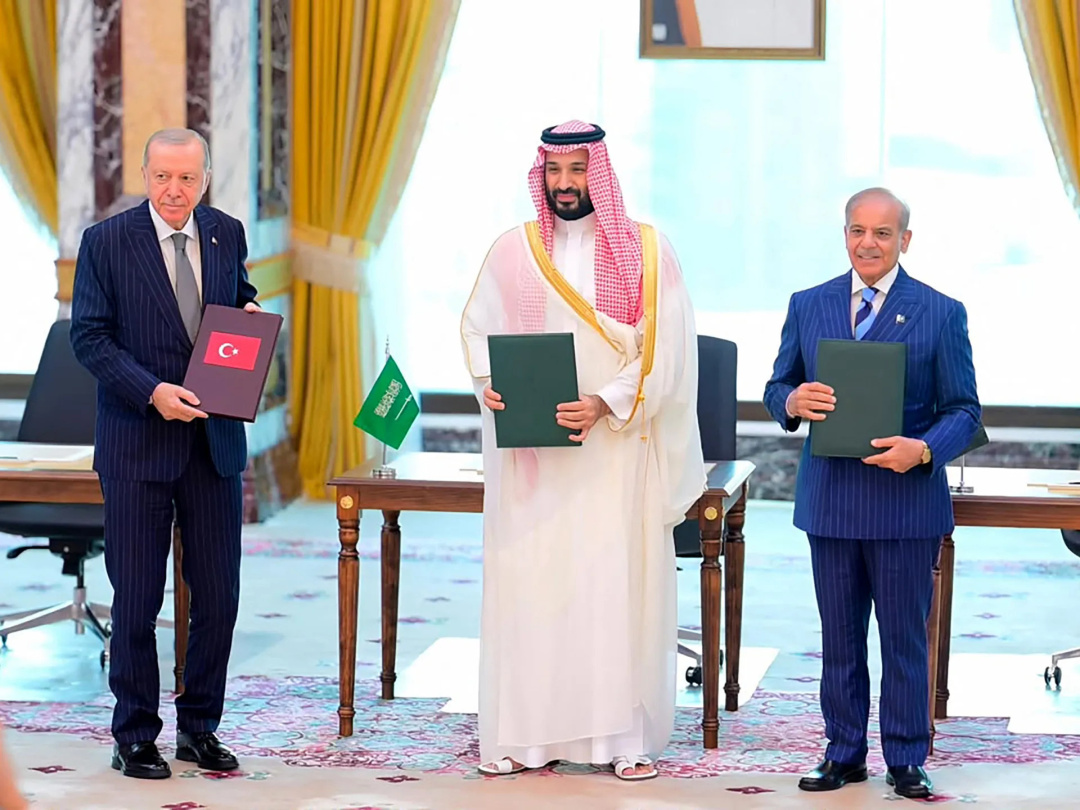
In a stunning turn of events that has political analysts scrambling for their crystal balls, Saudi Arabia, Pakistan, and Turkey have officially signed a defense pact, leaving Iran to ponder its next move while furiously scribbling notes on regional cooperation. This so-called 'Mecca Agreement' proclaims that any attack on one of the trio will be viewed as an attack on all, which sounds like a delightful new twist on the age-old game of international tag.
Iranian officials, perhaps realizing they are not the center of the universe, have taken a rather subdued approach to this news. Instead of sending military parades and fiery rhetoric, Foreign Minister Abbas Araghchi urged Muslims to band together against ‘malicious outsiders’—a not-so-subtle nod at their favorite scapegoat, the United States. After all, who needs friends when you can have a common enemy?
Still Beats Watergate:
Sponsor success. Continue reading:
Analysts are weighing in, with some claiming that the pact could bolster Saudi deterrence against Iran-aligned forces, while others suggest it’s just a glorified handshake amongst countries that aren't eager to dive into the chaos of each other's wars. Political scientist Vali Nasr even pointed out that this is merely a reflection of a post-American security order in the Middle East, which sounds like a fancy way of saying, ‘Hey, America, we’re good without you.’
But hold on—while the Iranian leadership is busy maintaining warm relations with both Pakistan and Turkey, some hardliners back home are less than thrilled. They warn of a potential 'resistance front' aimed at countering Tehran's influence, as if the region didn't already have enough drama to fill a soap opera. One lawmaker cautioned that miscalculating this new alignment would be a historical mistake—because we all know how well historical mistakes turn out, right?
As the dust settles, the real question remains: could Iran eventually join this new regional club? Experts are split, with some suggesting that Iran could seek membership if it can prove it can play nice. But let's be real—given their track record in the Strait of Hormuz, that's like asking a bull to tiptoe through a china shop.
In the meantime, Iranian officials are trying to frame this pact not as a threat but as an opportunity for regional self-reliance. It seems they’re hoping the pact will fall apart under its own weight, much like other diplomatic agreements that promised peace but delivered only paperwork. Only time will tell if this new alliance strengthens or just becomes another chapter in the ongoing saga of Middle Eastern politics, where alliances shift faster than a politician’s promise.