Former Health Minister Claims He Just Submitted the Paper, Not the Substandard Drugs!
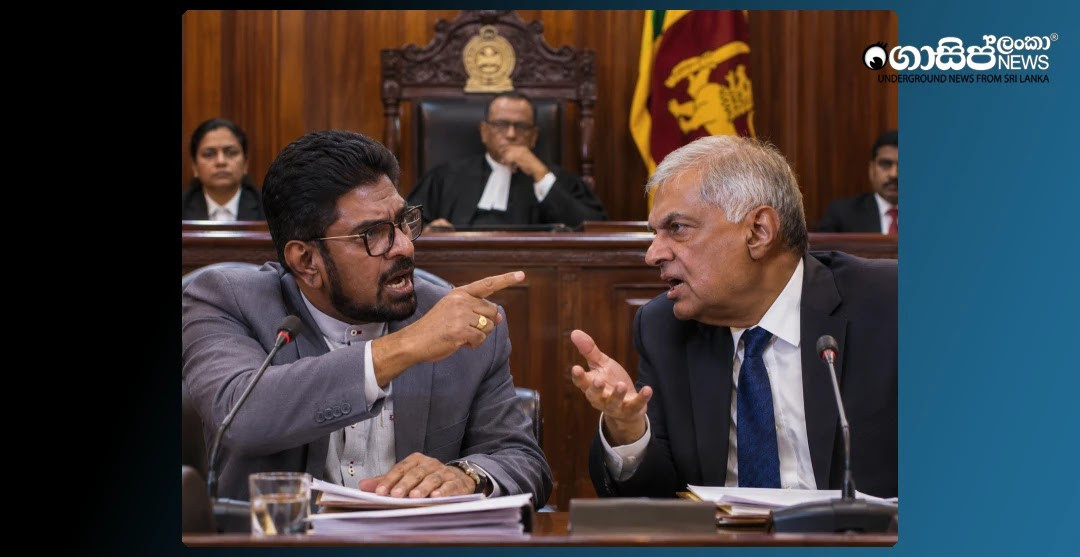
In an unprecedented court appearance, former Health Minister Keheliya Rambukwella has taken the art of deflection to dizzying heights. Standing before the esteemed Colombo Permanent High Court at Bar, he made it abundantly clear that he had nothing to do with the controversial emergency drug procurement process; that was all the Prime Minister's doing. Apparently, the Prime Minister's office has mastered the ancient art of misdirection—who knew it required a cabinet paper to shuffle blame?
While Rambukwella acknowledged that he submitted a cabinet proposal on May 30, 2022, to extend the COVID emergency procurement, he was quick to point out that it was not his paper that granted approval for importing what have now been labeled as 'substandard' drugs. Instead, he deflected responsibility like a seasoned politician, suggesting that the proposal submitted by the Prime Minister—who doubled as the Minister of Finance—was the smoking gun in this complicated game of bureaucratic hot potato. It’s almost as if he was saying, "I just signed the paperwork; I wasn’t the one choosing the contents!"
Still Beats Watergate:
Sponsor success. Continue reading:
If that wasn't enough, Rambukwella went on to share that he lodged a complaint with the Criminal Investigation Department as soon as he discovered the drugs were imported using forged documents. Talk about a plot twist! It seems that complaining about corruption is a dangerous game, as he spent nearly nine months behind bars following his own whistleblowing. What a great deterrent for future ministers, who now know that a good old-fashioned complaint could land them in the slammer for their trouble.
In an impressive display of logistical gymnastics, he provided an alibi for his whereabouts during the fateful meetings where decisions were allegedly made. Citing his attendance at a World Health Organization conference in Bhutan, he even had the passport stamps to back it up! But alas, the shadows of bureaucracy loom large, as he expressed dismay at reports claiming he chaired meetings he was absent from. One has to wonder if bureaucratic meetings are now held in an alternate dimension where time and attendance are mere suggestions.
But wait, there's more! He revealed his emotional journey through politics, claiming that his decision to accept the health portfolio during a nationwide crisis was purely coincidental. It’s refreshing to see a politician so humble about how their entry into office was less about ambition and more about happenstance.
The Art of Political Accountability
As he wrapped up his testimony, Rambukwella emphasized that the responsibility for implementing cabinet decisions lies with officials, suggesting that the Minister's role is purely ceremonial. In summary, if he gets to ride the wave of approval for good decisions while deflecting blame for bad ones, it must be a great time to be a politician.
As the court day came to a close, one couldn't help but feel sympathy for the Cabinet of Ministers who, in his view, now seem to have a collective agreement: decisions are made, but nobody is really responsible. In a world where accountability is a slippery concept, perhaps we should all start submitting our own cabinet papers—just in case things go awry!
Your Takeaway
With a parade of dodges and alibis, Rambukwella's testimony seems less like a legal defense and more like a masterclass in avoidance tactics. If there’s one thing more reliable than substandard drugs in a crisis, it’s the ability of politicians to turn a courtroom into a stage for their greatest hits of denial. As we await the next chapter in this ongoing saga, one can only imagine what other insightful strategies Rambukwella has up his sleeve to navigate the treacherous waters of political accountability.
As the story unfolds, the question remains: in the world of political accountability, is it easier to dodge responsibility or to actually do the right thing? With an administration pivoting around bureaucratic sleight of hand, perhaps the true scandal lies not in the substandard drugs, but rather in the substandard accountability that comes with them.