Trump's New Iran Strategy: Economic Warfare That Just Might Turn Into a War
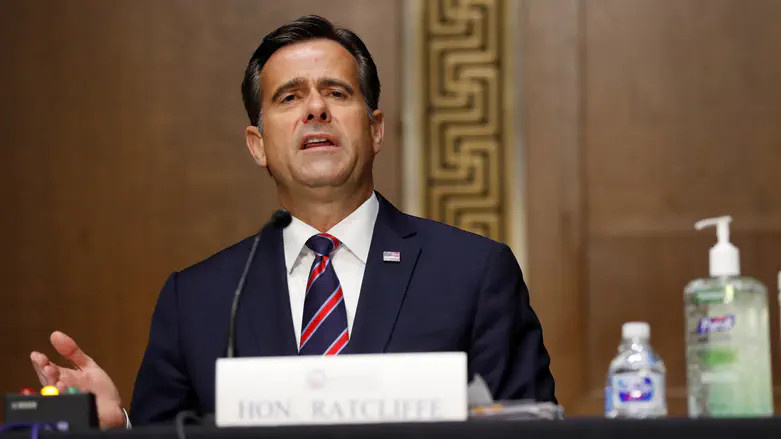
In a groundbreaking strategy that combines the best elements of indecision and selective pressure, CIA Director John Ratcliffe has suggested to President Trump that the U.S. stick to its current course of economic hardship on Iran. This bold approach, dubbed the "no war, no deal" tactic, aims to keep Tehran guessing while allowing Washington to bask in the warm glow of self-importance.
Ratcliffe's genius lies in the idea that by tightening the economic screws on Iran, the regime may buckle under the weight of financial strain, possibly leading to civil unrest or, if all goes according to plan, a spontaneous uprising fueled by an overwhelming desire for better living conditions. After all, what could possibly go wrong with a strategy that relies so heavily on the hope of a populace rising against their government?
Still Beats Watergate:
Sponsor success. Continue reading:
The advisers around Trump seem divided, with some echoing Ratcliffe’s sentiment while others advocate for a more daring diplomatic approach. This internal conflict creates a delightful spectacle reminiscent of a political reality show, where every episode promises more backstabbing and confusion. It’s refreshing when government officials can provide such riveting entertainment while discussing matters of national security.
Meanwhile, Trump, who has yet to find a metaphor he doesn’t love, reassured Axios that the situation with Iran is under control—just not too much control, because, as he states, “there is no rush.” With that kind of proactive urgency, one wonders how the Iranian regime doesn’t quake in fear at the mere thought of all that non-action.
In the spirit of keeping the situation light, let's not forget the wonderfully optimistic rhetoric from the Oval Office. Trump mentioned that lowering oil prices signify that people are feeling less anxious about impending conflict. It’s almost as if he believes that the global economy can withstand the unpredictable whims of a nation still trying to figure out whether to raise the stakes or simply fold the cards.
Vance's Optimism Amidst Uncertainty
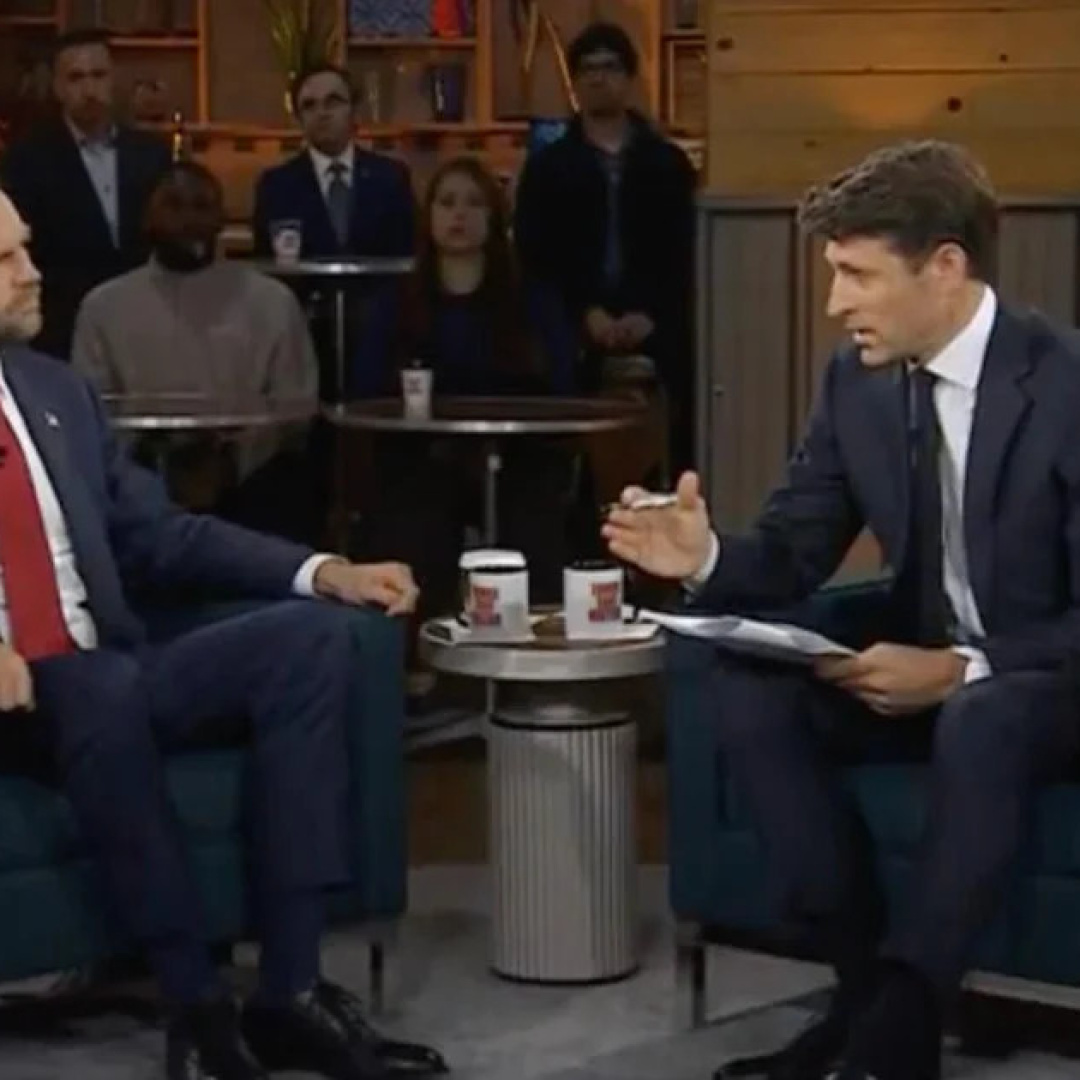
In the midst of all this, Vice President JD Vance pops up to remind us that progress is always possible, as long as it’s defined loosely enough to mean whatever one wants it to mean. He mentions having had "good conversations" with the Iranians, which could mean anything from diplomatic ballet to casual chats over coffee.
As the administration toggles between economic sanctions and potential military posturing, the only certainty seems to be that uncertainty itself remains the most reliable policy. It’s a strategy that keeps the rest of the world on its toes, perhaps wondering if Washington is serious or just playing an elaborate game of political charades.
So as we wait for the next episode in this ongoing saga, one thing is clear: the U.S. will maintain its unique approach to foreign policy—one that promises both excitement and a complete lack of any clear direction. Let’s just hope the popcorn is ready for the next round of negotiations.
The Art of Political Juggling
And as always, amid the high-stakes maneuvering, one can only sit back and marvel at the art of political juggling on display. It’s as if the administration is performing a circus act, balancing threats and negotiations while assuring the public that, yes, they’re definitely doing something—just not quite sure what that something is yet.
In the end, the U.S. administration’s Iran strategy may very well become a case study in how to apply pressure while managing to do absolutely nothing, a hallmark of modern political theater that leaves audiences both baffled and amused. But hey, at least the show goes on!