Candidates Pledge to End Inflation by Ending Every War Except the One They're Losing
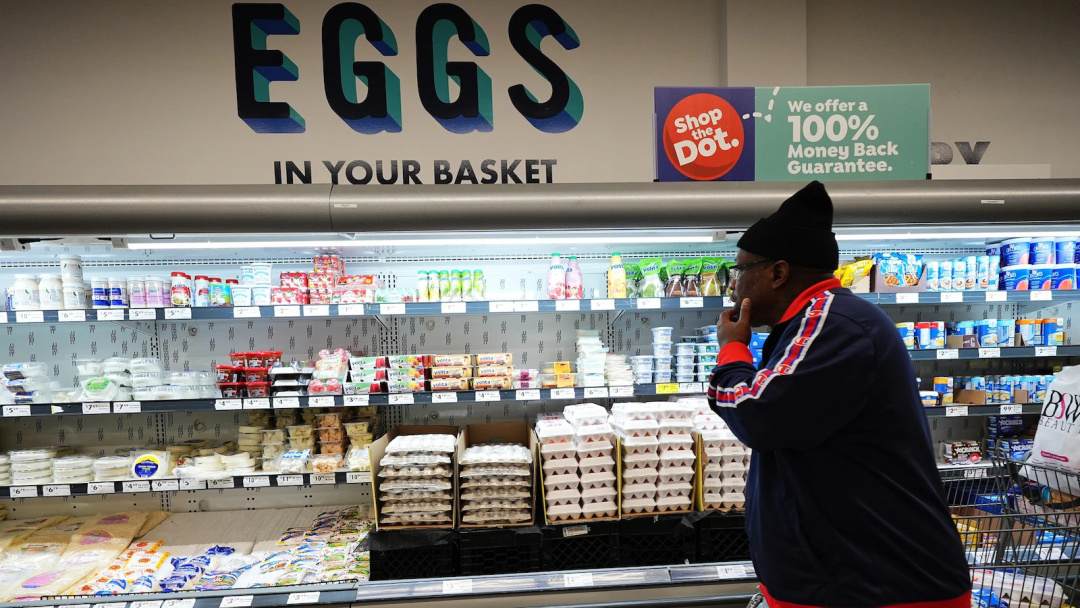
In the lead-up to the midterms, candidates are firing off proposals like confetti, all aiming to tackle inflation—a word that has become the latest political buzzword. Among the ideas floated: tax cuts, an easing of regulations, and a bold new strategy to put an end to the Iran war. Because why not? If the price of gas is rising due to a foreign conflict, the solution must surely be to shout louder about ending that conflict—preferably while still keeping the conflict going, just in case.
It's almost poetic that these candidates are so deftly ignoring the actual cost of their proposed solutions. Dan Osborn, an independent Senate candidate from Nebraska, has made it clear that terminating the Iran war is not only a vote-winner but also a magic wand for inflation. "We were promised no new foreign wars, but here we are, 185 days into this one, and Nebraskans are paying the price!" Because who knew that wars could affect local gas prices? Clearly, Osborn thinks that with a little pixie dust, the price of oil will tumble as fast as his opponents' hopes of winning without a coherent policy.
Still Beats Watergate:
Sponsor success. Continue reading:
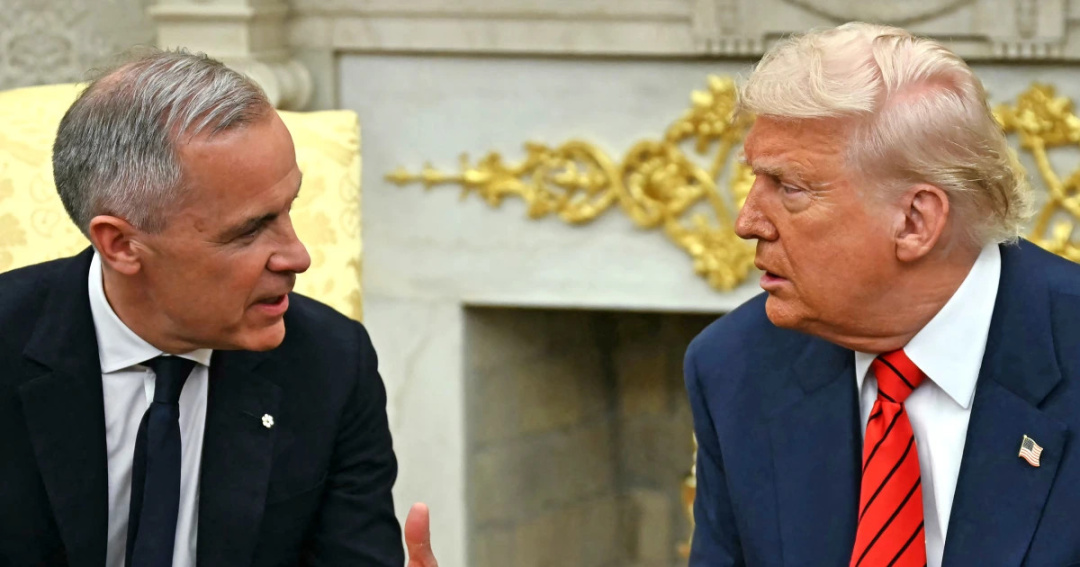
Meanwhile, President Trump has weighed in with his usual flair, asserting that once the war ends, oil prices will "come plummeting down even lower than they were at the start of the conflict." It's a comforting thought, if a bit simplistic. After all, who needs infrastructure or a stable geopolitical environment when the President is making promises? Just one swift end to the fighting, and we can all go back to enjoying gas prices that don’t feel like they’re robbing us blind!
Not to be outdone, candidates from both parties are throwing tax cut proposals into the mix as if they’re candy. "It’s YOUR money, not the government's!" declares Ashley Hinson, a GOP Senate hopeful from Iowa. Because when you think inflation, the first thought that comes to mind is definitely how to give people more money to spend. Economists, of course, warn that giving individuals more cash in a high-demand environment often leads to higher prices—almost like a vicious cycle of financial absurdity.
The Cost of Tariffs and Political Promises
And let's not forget those tariffs that everyone loves blaming for rising prices. The Yale Budget Lab recently estimated that tariffs cost the average American household over a thousand dollars a year. Candidates are in a tug of war over who can promise to reduce tariffs faster, forgetting that once prices are raised, they're not likely to come back down. Much like the idea of bipartisan cooperation in Congress.
So as we gear up for the elections, candidates are crafting narratives that sound great on paper but ignore the messy realities of economics and foreign policy. They promise relief while dancing around the complexities, because nothing says effective governance like making bold claims without any actual plan. If only it were as simple as waving a wand to end wars and lower prices—oh wait, that’s what they’re all trying to sell us right now.
The Illusion of Quick Fixes
In a political landscape riddled with misinformation and hyperbole, candidates are eager to push solutions that sound good without acknowledging the complicated truths beneath the surface. By promising to tackle inflation with grand gestures like ending wars and slashing taxes, they miss the nuances of economic dynamics. The reality is that even if they end the Iran war today, as economists suggest, it would take time for costs to normalize; oil infrastructure doesn't rebuild itself overnight.
As we watch this electoral circus unfold, one has to wonder: how much of the proposed relief is genuine and how much is simply a show to distract from the fact that true solutions require more than just catchy slogans? Candidates will have to grapple with the fact that their promises might only lead to inflationary pressures increasing—sort of the opposite of what they’re promising. In the end, voters may just be left with a choice: do they want their inflation fixed or their wars ended first?