Private Jet Crash Near Mar-a-Lago Declared Official White House Travel Policy
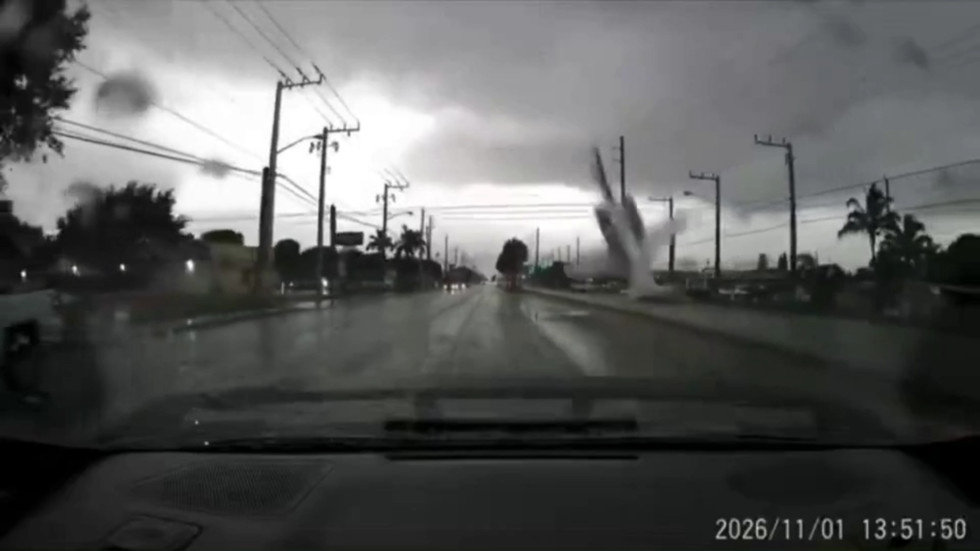
The White House has officially embraced a bold new travel policy, promising all the thrills and dangers of flying privately without the hassle of actually arriving. Following the recent crash of a Learjet just a stone's throw from Mar-a-Lago, officials have taken a momentous step forward by encouraging more aerial excursions that, at the very least, allow for spectacular visuals of the ground coming up fast.
In a press briefing that may have been conducted with the room's eyes closed, a spokesperson stated, "We are committed to ensuring that the American people see travel in its most thrilling form. Why merely arrive when you can plummet to new depths?" Such a daring approach reflects the administration's need for urgency, albeit with an imminent need for parachutes.
Still Beats Watergate:
Sponsor success. Continue reading:
Daring to redefine the term "grounded travel," the administration's latest guidance invites potential travelers to experience the excitement of being airborne while simultaneously witnessing the heart-stopping beauty of a crash landing—preferably near mobile home parks. With the flight path descending rapidly, it seems that the administration has truly grasped the art of making a dramatic exit, quite literally.
Investigating the Future of Air Travel
Furthermore, the National Transportation Safety Board has been dispatched to review the wreckage, which is expected to yield groundbreaking conclusions about the inner workings of private travel protocols in a post-crash era. As one expert put it, "What better way to incentivize travel than with the ongoing thrill of wondering if your jet will become a fireball before your holiday even begins?" Clearly, the bar has been set high for the next round of travel advisories.
Your takeaway
In an unexpected twist, officials have also hinted at an alternative name for this policy: "The Freedom Flight Initiative." Designed to evoke a sense of liberty while simultaneously ignoring the reality of aviation safety, this initiative is expected to resonate well with a public enamored with adventure, albeit at their own peril.
The burning question remains: will passengers be required to sign a waiver acknowledging that their journey may not include a safe landing? Only time will tell as the administration seeks to embrace an ever-more daring approach to travel—a policy that promises to elevate the stakes to almost cartoonish levels. For now, we can only watch and wait as the next chapter in White House travel policy takes off, perhaps not as smoothly as intended.