Court Rules Against Trump: Election Confusion or Government Overreach?
In the latest twist of political theater, a federal court has ruled against the Trump administration's audacious attempt to block the certification of Alaska's Senate election results, citing the need to avoid "voter confusion" from two candidates sharing similar names. Judge Sharon Gleason must be quietly chuckling at the absurdity of it all, as she deftly dismantles the administration's flimsy arguments one by one.
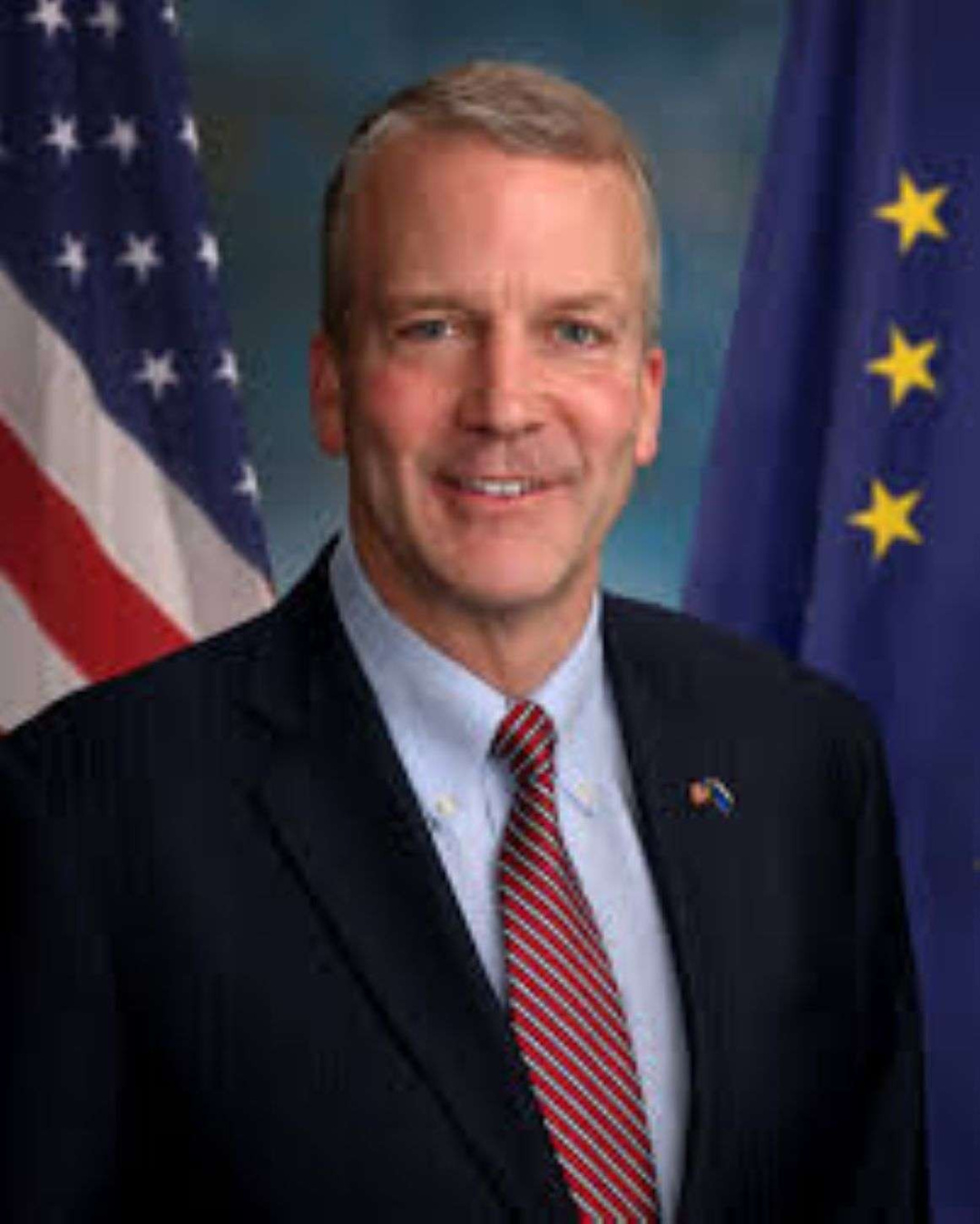
The ruling effectively states that the administration's concerns about voters mistaking Dan J. Sullivan for the incumbent Dan S. Sullivan are, quite frankly, as baseless as a reality show plot twist. In a world where voters regularly confuse their favorite celebrities with their elected officials, it seems the court is suggesting that Alaskans are, in fact, fully capable of navigating their electoral ballots without a federal interventionist babysitter.
Still Beats Watergate:
Sponsor success. Continue reading:
The judge emphasized that the Trump administration's request to delay certification until further investigations could occur would likely create more confusion than it would resolve. Because nothing says "clarity" like court-ordered ballots being held hostage while the government figures out who really intended to vote for which Dan Sullivan. Imagine the conversations at the water cooler: "So, did you vote for Dan J. or Dan S.? I'm still confused, but I think I voted for the one that doesn't have a fancy hairdo."
But it gets better. The administration argued that they weren’t trying to change the election rules—just rewrite them entirely while simultaneously claiming they were respecting state rights. That’s a bold strategy, Cotton. However, it hardly takes a legal scholar to realize that attempting to control the timing, place, and manner of an election from D.C. while saying, "No, really, we’re just here to help!" is not a cocktail of transparency anyone would willingly sip.
Contradictions in Election Maneuvering
As the irony dangles above like a poorly placed campaign sign, it's clear the administration is caught in its own web of contradictions. The court pointedly noted that such eleventh-hour legal maneuvers are typically frowned upon, as they lead to the exact voter confusion they claim to want to avoid. Perhaps the real lesson here is that when you're trying to prevent confusion, asking a federal court to issue last-minute orders is not the optimal route.
And let's not forget the substantive legal failure at the heart of the complaint: there’s no law granting the administration the power to halt certification based solely on fanciful claims of voter confusion. Now that's a refreshing reminder that sometimes, facts do still matter in our legal system, even if they are occasionally drowned out by the loudest voices in the room.
Your Takeaway
With today's ruling, it seems likely that the election results will stand, barring any unprecedented developments. While the Trump administration may be pondering an appeal, one has to wonder whether the appellate courts will find themselves laughing harder than the rest of us at the sheer spectacle of this attempt at electoral gymnastics.
As the dust settles and Alaskans prepare to welcome their newly certified senator, let this ruling serve as a reminder: sometimes, trying to clarify issues merely exacerbates the confusion. The real clarity, it seems, comes from letting voters decide—not from federal interventions designed to protect them from themselves.