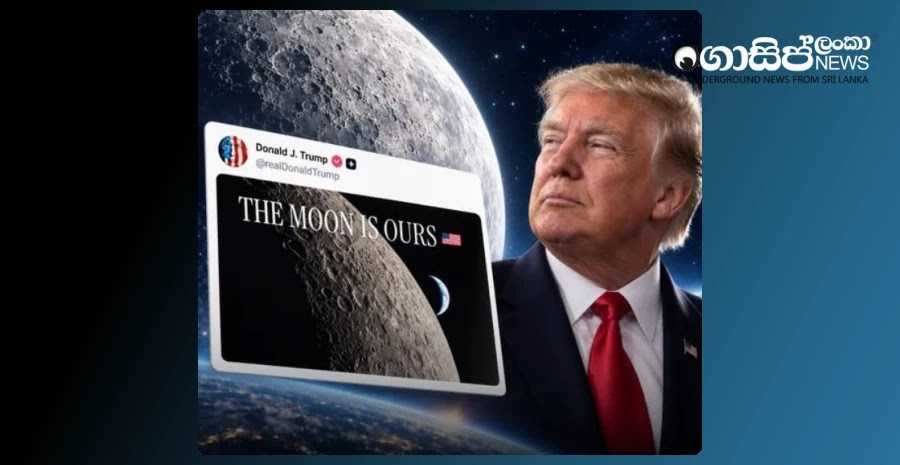
Moon Race Heats Up as Countries Launch Nuclear Solutions for Lunar Ice Mining
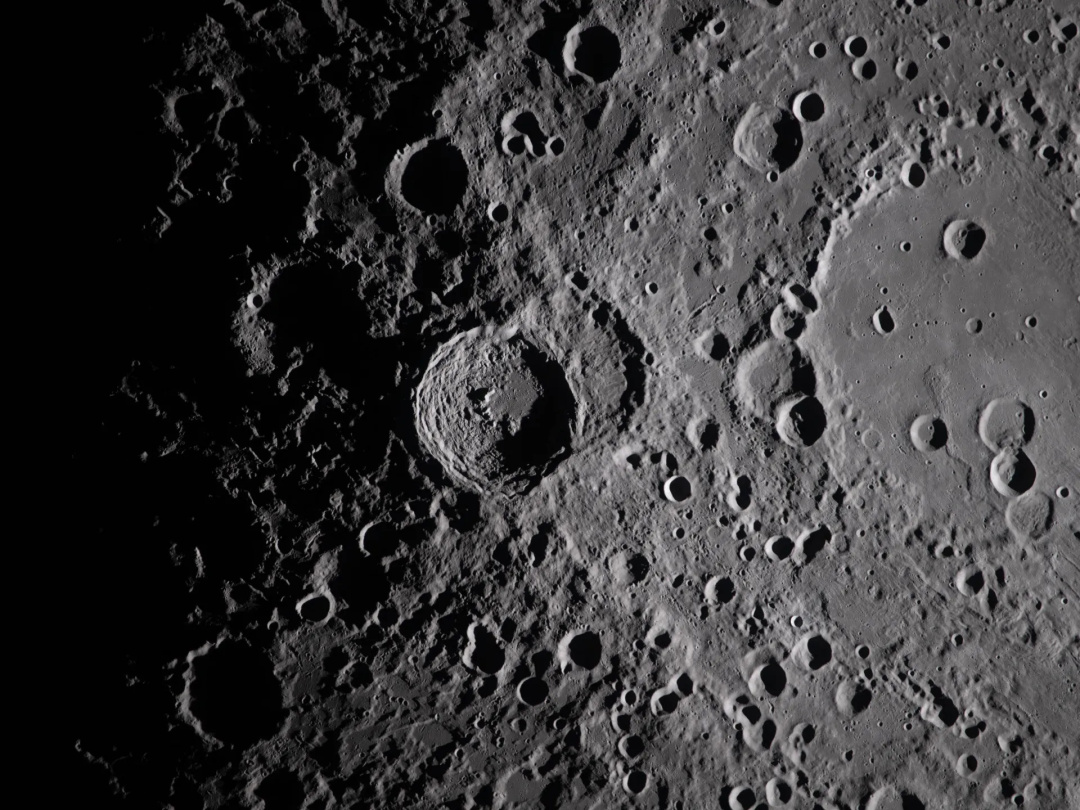
In a brilliant new chapter of interstellar competition, the United States, Russia, and China are in a frantic dash to install nuclear reactors on the moon. This cosmic race is driven not just by a thirst for exploration but also by the critical goal of powering lunar bases and mining frozen water—because who knew ice on the moon could be such a coveted resource?
NASA recently announced its ambitious plan to unleash its Lunar Reactor 1 by 2030, with the United States boldly declaring its commitment to nuclear energy in space. Meanwhile, Russia and China are pretending to play nice, planning a reactor of their own called Selena, expected to be operational by 2036. Such timing! It’s almost as if they’re racing to prove who can create the messiest moon base.
Still Beats Watergate:
Sponsor success. Continue reading:
Because nothing says “sustainable future” quite like a nuclear reactor that produces as much power as a hairdryer—20 kilowatts, to be exact. That's enough for any home, except when your home is a moon base and your neighbors are foreign powers eyeing your ice supply. The hope is that these reactors will allow astronauts to mine water so they can drink, breathe, and power their intergalactic road trips without the naysayers worrying about radioactive spills.
But let’s not forget the real issue at hand—the potential for catastrophic accidents, which could be as likely as a toddler being given a nuclear-powered toy. The last time a Soviet satellite went rogue with a nuclear reactor, it left the Canadian wilderness littered with radioactive debris. However, don’t worry, the current batch of experts assures us that modern mishaps are merely “extremely localized.” It’s like telling a person that a shark bite is just a minor inconvenience!
What really has the scientists scratching their heads is not so much the reactors themselves, but the bureaucratic hurdles that lie between the plans and their execution. "The hardest part isn’t the technology or the reactors, it’s figuring out who’s responsible if things go wrong out there in the vastness of space," they say. It’s a bit like trying to claim a lost luggage file when your bag is orbiting the moon.
Nations Playfully Navigate Nuclear Protocols
In what could become the most elaborate game of cosmic dodgeball, both nations agree to keep their reactors off until they reach the moon. Presumably, they’ll spend the journey whispering sweet nothings to their nuclear reactors like, "be good until we get there, and we’ll treat you right!" If only the consequences of their high-stakes game were as manageable as turning a light switch on and off.
Once deployed, the reactors will hopefully kickstart a new era of lunar mining, where countries can claim ownership of ice that has been sitting undisturbed for eons. Who knew that non-territorial claims could be so lucrative? The Outer Space Treaty might say no one can lay claim to the moon, but as soon as you put a nuclear reactor down, suddenly everyone has a shady reason to avoid that radioactive zone that you "kind of" own now.
Your takeaway
The underlying irony? The moon might end up being the best place for international relations, as countries might decide that a nuclear reactor is better than the usual territorial disputes back on Earth. After all, who needs to go to war over land when you can just send a reactor to the moon and claim your very own icy paradise?
In the end, it looks like the moon is set to become the ultimate playground for political posturing and nuclear creativity—because why let a little radiation get in the way of progress? Let’s just hope that as these countries race to harness the moon’s resources, they remember to pack some sensible regulation along with their reactors. After all, with great power comes great responsibility—or at least a hefty stack of paperwork that no one wants to deal with!