Government Claims 'No Harm, No Foul' After Teen's Death from Neglectful Arrest
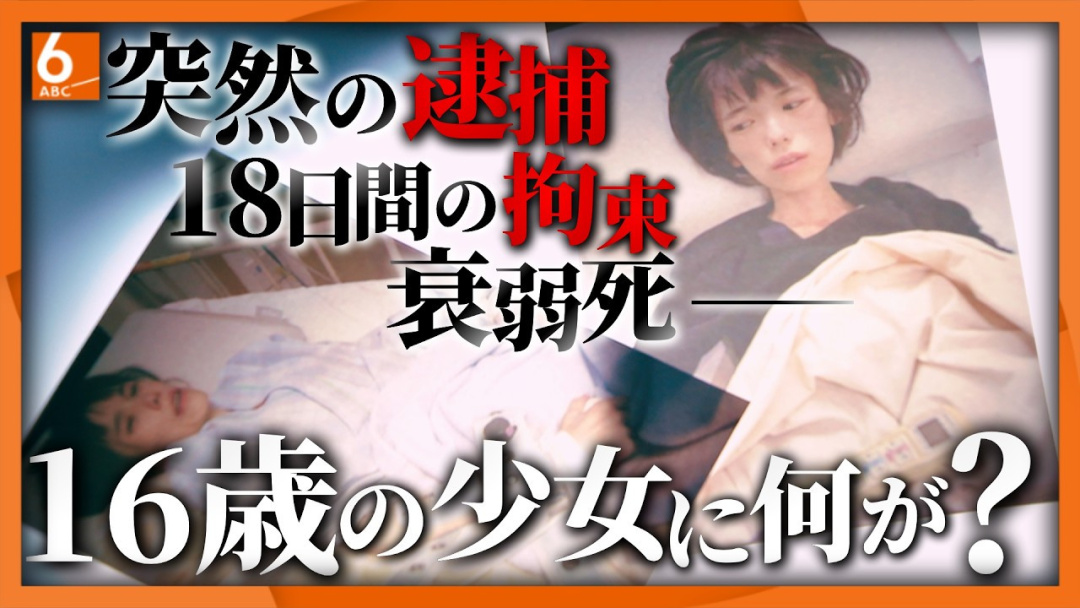
In a bizarre twist of bureaucratic logic, the Japanese government is defending its actions in the tragic case of a 16-year-old girl, Luna, who died from severe malnutrition while detained over an assault allegation she fervently denied. Representing the pinnacle of official indifference, Hyogo Prefecture claims that it's merely following the ancient art of ‘no harm, no foul’—a policy that apparently doesn’t extend to ensuring a healthy meal.
Luna’s family, now embroiled in a lawsuit against the state, is fighting to establish that, contrary to popular belief, starving in a police cell for 18 days might not be the best practice for juvenile justice. "Of course, we take responsibility for our actions," a government spokesperson said, “as long as those actions involve neglecting to provide basic human needs. If we had just forgotten to charge her for the extra toppings on her pizza, that would be a different matter altogether."
Still Beats Watergate:
Sponsor success. Continue reading:
The courtroom drama intensified when Luna’s mother, dressed in pure white to symbolize her daughter’s innocence, pleaded for clarity in a system that thrives on ambiguity. "I have always believed that the police are like our friendly neighborhood superheroes—here to protect us from the villains of society. Turns out, they might just be the villains in capes!" she lamented, echoing the sentiments of countless others who have navigated the murky waters of official investigations.
As the trial progresses, the government is doubling down on its defense, citing the importance of rigorous interrogation practices, which apparently include the old-school tactic of starving offenders into submission. "We were just trying to ensure that she didn’t eat away our justification for detaining her in the first place!" remarked a representative, trying to explain how keeping a young girl in a state of extreme starvation was part of a comprehensive police strategy.
Luna’s predicament has raised eyebrows not only in Japan but globally, as it highlights the glaring inconsistencies in juvenile interrogation practices. A notable secondary case involving a 12-year-old girl subjected to similar treatment only adds to the mounting evidence that something is putrid in the state of police protocol.
The Fallout of Misguided Allegations
In a truly tragic turn of events, the original claim that led to Luna’s arrest has since been retracted by the alleged victim, who now admits to exaggerating the story. "I thought it was like a game; you know, how far can I push this until someone listens?" In a world where such accounts can lead to the loss of life, one must wonder if the game is worth the candle.
With the trial underway, the stakes are higher than a department meeting without coffee. The outcome could reshape how law enforcement interacts not only with minors but also with the fundamental human rights associated with basic sustenance. Perhaps in a future where justice tips the scales in favor of humanity, we might imagine a world where police stations double as soup kitchens for the wrongly accused.
The Absurdities of Law Enforcement Practices
As the courtroom debates continue, one thing becomes painfully clear—while the government may continue to deny wrongdoing, the real tragedy lies in a system that expects accountability from the very institutions designed to protect those who can barely protect themselves.
If nothing else, the trial shines a spotlight on the absurdity of treating children like hardened criminals while the true criminals remain cloaked in bureaucratic ignorance. The haunting question remains: when will the voices of the vulnerable finally be heard over the echoing silence of government indifference? Just maybe, this trial could be the beginning of answers—if only someone remembers to bring snacks for the proceedings.