Small Business Owner Accepts Tariff Fees as New Form of Government Contribution
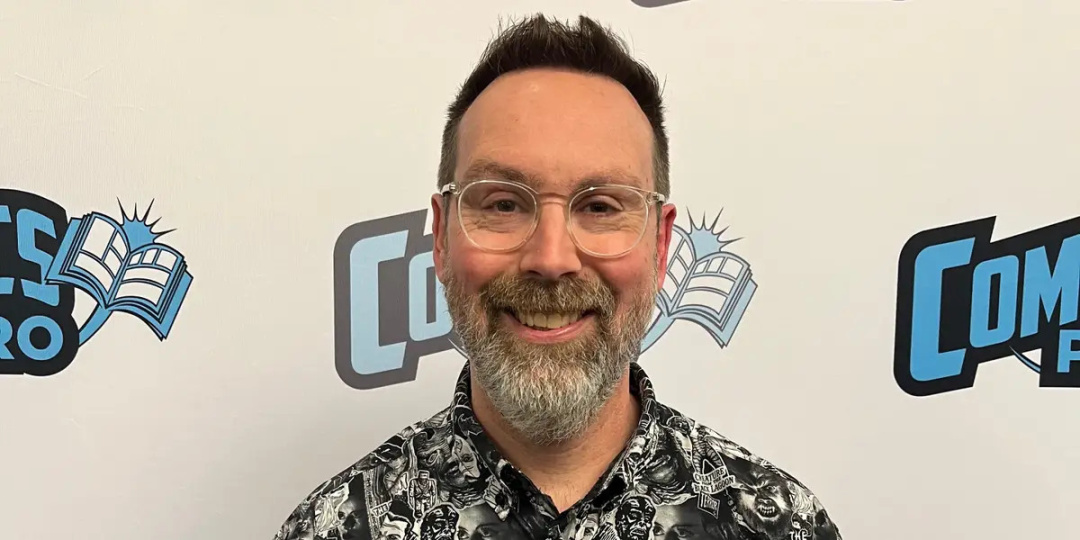
In a remarkable act of voluntary self-exploitation, small business owner Marc Bowker has officially given up on the idea of receiving refunds for the thousands of dollars he shelled out in tariffs. Instead, he has chosen to see his contributions as a new form of civic duty, a way to support the government in its relentless pursuit of financial independence. Bowker, who sells comic books and action figures, has recently announced that he's ready to embrace his role as a generous benefactor to the federal coffers, likening his tariff payments to a subscription service for democracy.
"I might as well think of it as an investment in my country," Bowker explained, donned in a superhero cape made from his invoices. "Every dollar paid in tariffs is like buying a ticket to the grand show of American capitalism, where my money goes to keep the lights on in Washington, D.C. Who needs refunds when you can have a sense of patriotic pride?"
Still Beats Watergate:
Sponsor success. Continue reading:
In an age where refunds are treated like unicorns—mythical and perpetually just out of reach—Bowker’s perspective is a refreshing reminder that small business owners can still find joy in the pain of government fees. The tariffs, he claims, are a small price to pay for the privilege of operating in a society that values bureaucracy over efficiency.
The administration, in turn, has applauded Bowker's attitude, hinting that more small business owners should adopt similar strategies. "Why wait for a refund when you can just donate to your favorite governmental programs?" a senior aide reportedly said, while surrounded by a pile of unsent refund checks. "We’re considering a new initiative where business owners can opt to ‘donate’ their tariff fees directly to our legislative lunch fund—think of it as a public-private partnership for pizza!"
As Bowker prepares to file his taxes, he is reportedly brainstorming new ways to give back to the government. Ideas include a ‘pay what you can’ model for tariffs, where he can choose to donate more or less based on how much he feels like supporting the federal deficit that day.
"I just want to be part of something bigger," Bowker said, placing his hand over his heart. "And if that means throwing money at the government for questionable benefits, then so be it. After all, isn’t that what being an American is all about?"
As other small business owners look on in admiration—some even planning to follow in his footsteps—Bowker's story serves as a beacon of hope in a world where refunds are as elusive as a reliable health care plan. In a country where bureaucracy reigns supreme, Bowker's acceptance of his situation is a reminder that sometimes it’s better to laugh than to cry, especially when dealing with the IRS.