New DOJ Role Promises to Enhance Civil Rights Violations With Federal Efficiency
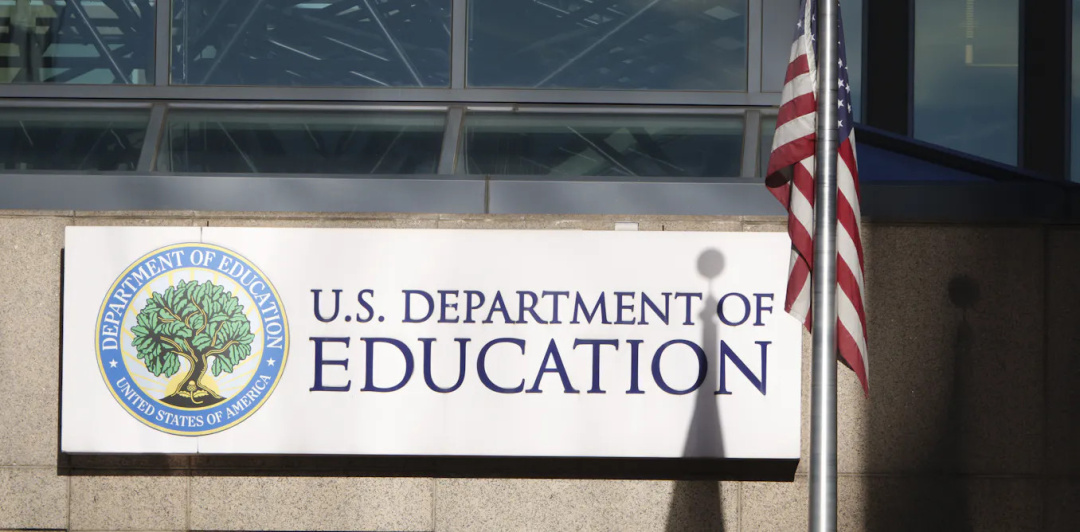
In a groundbreaking initiative that promises to revolutionize student rights, the Trump administration has decided to relocate civil rights enforcement from the U.S. Department of Education to the Department of Justice. The move is touted as a leap towards efficiency, but it seems firmly rooted in the age-old adage: if at first you don't succeed, redefine the rules until you do.
Historically, the Office for Civil Rights (OCR) in the Department of Education has played the role of a diligent guardian, tackling complaints of discrimination based on race, sex, and disability—with a keen eye on ensuring that no student is left behind, or rather, uninvestigated. But in a bold reimagining of what it means to uphold civil rights, the administration has handed these responsibilities over to the DOJ, which, let’s be honest, has bigger fish to fry than the grievances of a few overzealous students.
Still Beats Watergate:
Sponsor success. Continue reading:
As students brace themselves for the impending shift, a new wave of optimism washes over the administration: now complaints are set to be handled with the same urgency as a two-week-old pizza left in the break room fridge. Under this new regime, the DOJ will tackle a staggering backlog of complaints—many of which, reports suggest, may never even see the light of day. After all, who needs accountability when you can just sidestep the issue altogether?
Critics have raised eyebrows at the sheer practicality of this arrangement, pointing out that the DOJ is not staffed to handle the volume of civil rights complaints OCR routinely processed. With only about 40 lawyers to cover a nation of schools, it’s as if the administration has appointed a hamster to oversee the operations of a high-speed train. Expect delays, confusion, and a whole lot of bureaucratic jargon that sounds impressive but likely means absolutely nothing.
Meanwhile, the OCR, known for its insistence on reviewing every complaint it receives, seems to be left at the altar as the DOJ prepares to pick and choose which cases it wants to pursue. This leaves students wondering—will they be able to find justice in a system that now appears designed to prioritize the workload of government officials over the rights of the very individuals they are meant to protect?
And just when you thought things couldn't get any more absurd, let’s recap the changes: with OCR facing potential layoffs and closures while the DOJ’s Educational Opportunities Section has been hemorrhaging staff faster than you can say ‘civil rights,’ we are left to ponder an essential question: How much longer before the only complaint that actually gets heard is that of someone complaining about how long it took to dismiss the complaints?
The New Normal for Student Rights
This new setup not only raises eyebrows but also seems to suggest that protecting students' rights is now a low priority for the administration. With the promise of efficiency, the actual outcome might be an expeditious route to obfuscation, where complaints filed by students about discrimination drift into the black hole of federal bureaucracy—never to be seen or resolved. A system that once prioritized the swift resolution of civil rights complaints now appears to be setting the stage for a modern-day version of ‘you can’t fight city hall’—only now, the city hall runs on an even tighter schedule.
In essence, this new approach to civil rights enforcement is a little like rearranging deck chairs on the Titanic. Sure, it looks like something is happening, but the ship is still sinking, and the lifeboats are apparently reserved for those in charge. As we await the first reports of how these changes will manifest in schools, one thing is certain: the road to equality just became a lot more convoluted.
Your Takeaway
As students gear up to potentially chase after their rights through a labyrinthine system that prioritizes efficiency over effectiveness, it remains to be seen whether this reorganization will prove to be a catalyst for change or merely a well-crafted excuse for inaction. Ultimately, civil rights enforcement may soon resemble a game of bureaucratic hot potato, where the only winners are those who manage to evade responsibility altogether.