Pentagon's New Strategy: A Permanent Vacation Home in Israel
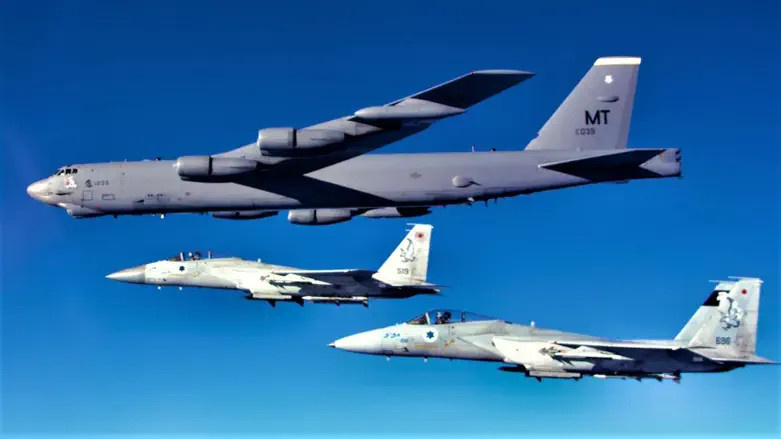
In an unprecedented move, the Pentagon is contemplating relocating American bases to Israel, sparking excitement among local officials who are now brushing up on their hospitality skills. It seems that after years of hosting American tourists, Israelis may soon be welcoming a permanent military presence. Forget Airbnb—this is a full-fledged military vacation home for Uncle Sam. With the most advanced anti-missile systems, Israel is a prime candidate for this strategic pivot, ensuring that American forces can live out their wildest dreams of being on the front lines of geopolitical tensions while sipping lattes in Tel Aviv.
However, while the U.S. military may be packing their bags, some are questioning whether this is actually a good idea for Israel. Local experts warn that with American bases come the inevitable attention from Iran, which could see a few hundred U.S. warplanes as a tempting target for their next missile drill. It's the geopolitical equivalent of inviting your friend over for dinner, only to realize they brought their entire extended family—and they're all armed.
Still Beats Watergate:
Sponsor success. Continue reading:
Moreover, there’s the very real concern that the presence of American troops might limit Israel's ability to defend itself. Imagine this scenario: an Iranian missile is heading towards an Israeli installation, and the response is delayed because American commanders are busy debating whether to call it in or not. The phrase “friendly fire” takes on a whole new meaning in this context, doesn’t it?
Politically, the implications are even murkier. The current U.S. administration may be a fan of military cooperation, but what happens when a more isolationist Congress or a progressive president takes the reins? Suddenly, those bases might not just be a beacon of American support but a chain around Israel’s neck, dragging it into conflicts that it has no interest in.
In an ironic twist, while Israel hopes to solidify its military ties with the U.S. through these bases, it might find itself more entangled than ever. The fear is that American military installations could become synonymous with Israeli vulnerability, drawing aggression rather than deterring it. It’s the classic case of “you can’t have your cake and eat it too” but with missiles instead of pastries.
For now, U.S. military officials are crunching the numbers on potential job creation in Israel, envisioning a new economy fueled by American dollars and military contracts. But those jobs come with strings attached—strings that could strangle Israel’s autonomy if push comes to shove. Let’s just hope that the military doesn’t try to implement a “no-fly” zone over local Israeli cafes.
As the debate continues, one thing is certain: the prospect of U.S. bases in Israel is more than just a military strategy—it’s a political hot potato that could change the dynamics of the region. And while local officials may be preparing for an influx of dollars, they should also be ready for the inevitable headaches that come with being the host of a military superpower. The question remains: is Israel ready to be the permanent vacation spot for the American military? And more importantly, do they serve good coffee?