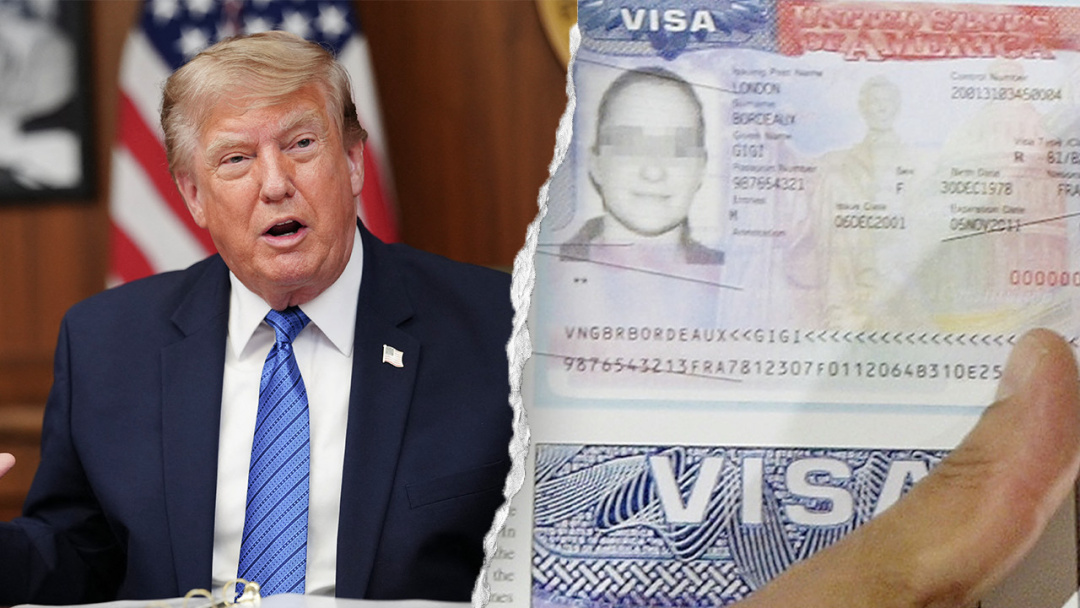
Ninth Circuit Enforces Voter Fraud Limits, Leaves Trump Administration Out in the Cold
In an unprecedented ruling that has left the Trump administration floundering, the Ninth Circuit has refused to lift a preliminary injunction that restricts investigations into potential noncitizen voting across nine states. With the injunction firmly in place until Election Day, the court seems to suggest that the administration’s commitment to rooting out imaginary voter fraud is merely an exercise in wishful thinking.
The majority of nonrecused judges thought it best to let the order stand, leaving Trump’s grand plans to investigate the ‘nonexistent crisis’ of voter fraud to gather dust. It appears the judicial branch has decided to take a stand against the executive’s penchant for turning shadows into specters and has opted instead for a more sobering approach—encouraging the administration to actually produce evidence before launching a full-scale ghost hunt.
Still Beats Watergate:
Sponsor success. Continue reading:
Seven dissenting judges took to their soapboxes, with Judge Eric Tung leading the charge, accusing the lower court of trampling on the President's alleged authority. Tung’s dissident sentiment could be summarized as, “Without investigations, how will we know if anything is wrong?” His passionate rhetoric might resonate better with a crowd of conspiracy theorists than with seasoned legal professionals, who might prefer a little thing called 'evidence'.
The ruling stems from a lawsuit largely backed by the California Nurses Association, which claimed that the investigations intimidated both voters and those assisting them. The judges noted that the evidence presented showed some citizens had ceased their civic activities out of fear of being wrongly targeted by overzealous federal investigators. Talk about a way to make democracy feel like a trip to the dentist—nobody really wants to go, but everyone thinks it’s good for them.
Amidst claims of voter intimidation, Judge Tung’s dissent pointed out that the district court was acting like a ‘super-executive,’ confusing investigations with intimidation, thus turning the courtroom into a circus of contradictions. It's about as clear as mud, with the dissenters seemingly arguing that the executive branch should have free rein to conduct investigations based on speculation—because what could possibly go wrong?
Despite the dissenters’ fervent claims of irreparable harm, the court managed to conjure a logical argument that the government had not convincingly demonstrated that the injunction would cripple all lawful voter fraud investigations. A concept that seems to baffle those who would prefer a more authoritarian approach to oversight.
As the clock ticks down to Election Day on November 3, the Ninth Circuit’s ruling stands as a formidable barrier to Trump’s mission to crack down on voter fraud. The irony, of course, is that while the administration insists on pursuing allegations of widespread illegality, it finds itself ensnared by its own lack of credible evidence, leaving nothing but a paper trail of frustration and a dwindling hope for a last-minute miracle.
An Unlikely Scenario
One can only speculate what might happen next. With the court’s decision ensuring that the investigations remain as viable as a chocolate teapot, it’s hard to imagine what new strategies the Trump administration might dream up. Perhaps a press conference announcing a new initiative to investigate the imaginary friends of voters? Or maybe unveiling a new task force dedicated to tracking down the elusive ‘voter fraud gremlins’?
As the administration grapples with its diminishing hopes of uncovering a vast noncitizen conspiracy, it’s clear that the Ninth Circuit’s ruling has transformed what was once a vehement call to action into something resembling a shrug of indifference from the courts. What’s next, a task force on phantom voting? If only the administration had the same vigor for actual evidence as it does for threatening investigative theater.
Your Takeaway
In a landscape where urgency often overshadows reality, the Ninth Circuit has drawn a line in the sand, reminding everyone that perhaps the most effective voter fraud prevention tactic is simply not to engage in baseless witch hunts. As Election Day approaches, it seems the only fraud being perpetrated here is the expectation that these investigations could bring about any change without the backing of actual evidence.