India's Trade Tactics: A Lesson in Negotiation for the White House
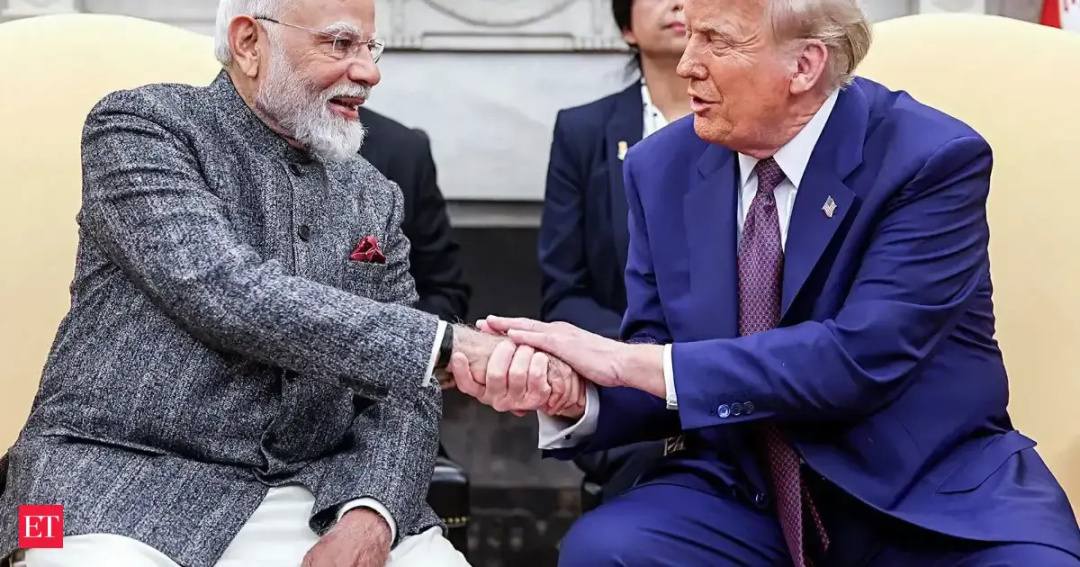
In a stunning display of diplomatic bravado, India has decided to play hardball in its trade talks with the United States, sending shockwaves through the White House that have yet to settle. Instead of signing off on a swift agreement like a child eager to get out of doing chores, India has firmly said, “Not so fast, Uncle Sam.” This bold maneuver is perhaps a reminder that sometimes, waiting for the right terms can be more advantageous than a quick fix.
Sources close to the negotiations report that India's confidence stems not just from its burgeoning trade relationships with new partners, but also from an uncanny ability to read the room—or in this case, the negotiating table. Indian officials have made it clear that they will not be rushed into an unfavorable deal, which is a sentiment that might resonate with many Americans currently navigating the murky waters of their own political negotiations.
Still Beats Watergate:
Sponsor success. Continue reading:
For the White House, this is a wake-up call. Imagine the President sitting in the Oval Office, nodding along as his advisors lay out the next steps for trade agreements. Then, boom! A message from New Delhi arrives, reminding him that sometimes it’s okay to say “no” and hold out for a better offer. Perhaps the administration can learn from India’s playbook, which emphasizes patience over haste and wisdom over whim.
Meanwhile, analysts are scratching their heads, trying to comprehend how India has managed to position itself as a trading powerhouse while the U.S. seems preoccupied with domestic squabbles and social media spats. Could it be that the secret lies in not treating negotiations like a game of poker, where bluffing reigns supreme? Or perhaps it’s simply about having a clear understanding of one’s own value in the global marketplace?
As the dust settles on this bold move by India, the White House might want to consider drafting an executive order on negotiation tactics. A memo that reads, "In the event of future trade talks, remember: you are not at an auction, so don’t bid against yourself." With the right guidance, perhaps the U.S. could also emerge victorious at the negotiating table, rather than leaving with a handful of regrets and a promise to do better next time.
In the end, India’s refusal to accept a hasty agreement serves as a powerful reminder that sometimes, the best move is to hold your ground. For the U.S., it might just be time to rethink its approach and perhaps take a page from the Indian playbook. The world is watching, and the stakes have never been higher. So, what will it be, White House? Will you take a lesson from India’s trade negotiations, or will you continue to rush headlong into deals that benefit everyone but your own citizens?