Graham's Last-Ditch Diplomatic Dance: A Curtain Call for Chaos
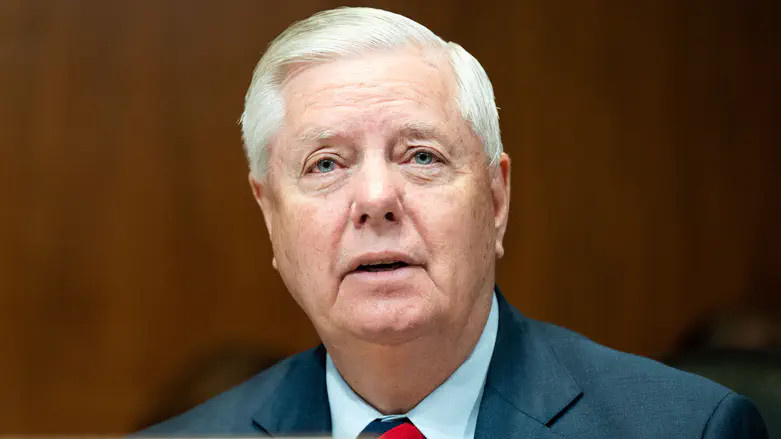
In a political finale that could only be described as Shakespearean—if Shakespeare had written about questionable foreign policy and last-minute deals—Senator Lindsey Graham was reported to be feverishly working on a diplomatic coup to normalize relations between Saudi Arabia and Israel. Yes, nothing says peace like a high-stakes game of chicken played with military might and congressional whims. Graham, who apparently believed he could broker Middle Eastern peace while also keeping an eye on his golf score, was pinning hopes on a timeline tighter than a congressional calendar filled with holiday breaks.
The late senator's vision was as grand as it was precarious. He believed that the key to a lasting peace lay in some high-level talks that could take shape immediately after the elections, as if the mere act of voting could magically resolve decades of geopolitical strife. Graham saw himself as a diplomatic maestro, ready to conduct a symphony of Saudi-Israeli relations, provided he could keep the Iranian soloists from crashing the concert with missiles and chaos.
Still Beats Watergate:
Sponsor success. Continue reading:
His strategy hinged on a two-pronged approach: convince Congress that a peace deal was not just a good idea but the best idea since sliced bread, while simultaneously persuading Israeli leadership to embrace Saudi terms—which, judging by the political landscape, was like asking cats to form a choir. Graham's plan involved a series of clandestine meetings with key players, ranging from Trump to the Saudi Crown Prince, all of whom were ready to engage in a diplomatic dance that might rival anything seen on reality TV.
However, before anyone could grab their dancing shoes, Graham found himself in a race against time. The former senator's projected timeline for a peace agreement was ambitious to the point of absurdity. He envisioned a whirlwind tour of Saudi Arabia and Israel to kick off negotiations, aiming to seal the deal by November—because who doesn’t want to finalize international accords right before holiday shopping season?
The irony was thick enough to cut with a knife. With hostilities simmering and Iranian tensions soaring, Graham was more than willing to suggest that if diplomacy didn’t work, a few well-placed military strikes might just do the trick. Nothing screams ‘let’s negotiate peace’ like the looming threat of bombs. And while Graham's team was busy drafting plans and holding conference calls, the reality was that any agreement was contingent upon a myriad of factors, including the mood of a Congress that was notoriously unpredictable, like a toddler on a sugar high.
As the dust settled, the ambitions of Graham’s last diplomatic mission were abruptly halted by events that no amount of political maneuvering could control. The sudden eruption of violence in the region put all normalization plans on ice, leaving behind a political landscape more muddled than ever. So, as we reflect on Graham's final endeavor, it’s worth asking: in the theater of politics, was it all just a tragicomedy, or a cautionary tale of diplomatic overreach?