Trump’s Housing Bill: A Masterclass in Executive Protest
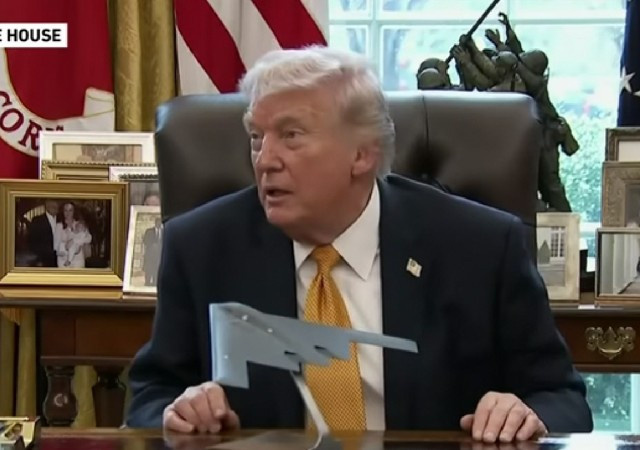
In a move that could only be described as the zenith of political theater, President Trump has decided to let a bipartisan housing bill drift quietly into law without his signature, all while dramatically declaring it a protest against the SAVE Act. This isn’t just any protest; it’s a carefully choreographed act of legislative defiance that has left Washington insiders scratching their heads and wondering if they missed the memo on how to stage a protest in a manner that might actually mean something.
The White House, in a flurry of carefully crafted statements, has emphasized that this is not a failure of leadership, but rather a bold stand for principles—principles that, until now, seemed to be as flexible as a yoga instructor at a pretzel shop. The administration has reassured the public that by letting the bill become law without his signature, Trump is not endorsing the legislation but simultaneously not opposing it either, which is a fine example of the art of political ambiguity.
Still Beats Watergate:
Sponsor success. Continue reading:
The press briefing that followed this momentous decision was filled with the usual ritualistic dance of non-answers. Press Secretary Sarah Huckabee Sanders was asked how this decision reflects Trump's commitment to housing reform. "It’s a complex situation," she replied, her eyes darting like a deer caught in headlights. "The President wants to make a statement without making a statement, which is why he chose to let it pass. It’s a win-win situation."
In the hallowed halls of Congress, reactions were mixed. Some lawmakers praised Trump for his bravery in allowing legislation to pass while simultaneously standing against it. Others pointed out that this act of protest could be seen as a new low in the annals of executive power, one that will be studied by political scientists for generations to come.
Critics have pointed out that true protest typically involves more than just non-action; it usually requires some semblance of effort or opposition. However, the Trump administration has redefined the parameters of protest to fit its narrative, proving that in the world of political optics, effectiveness is often secondary to the appearance of taking a stand.
As this housing bill becomes law, the nation watches with bated breath to see if Trump will eventually muster the courage to take a stand on something that actually matters. Until then, Americans can rest assured that their President is fully committed to the art of laissez-faire governance, where nothing is signed, everything is allowed, and protest is merely a state of mind—preferably one that involves a golf course and a cold beverage.