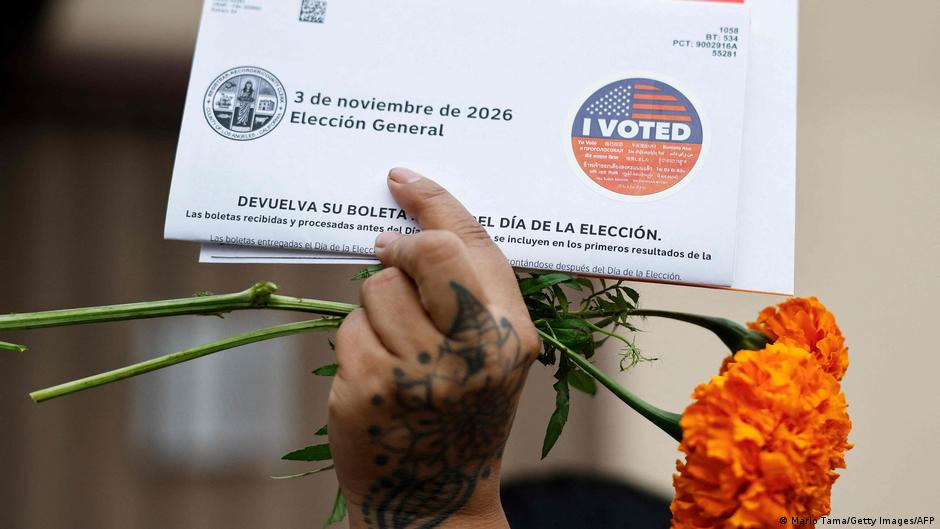
Justice Department's New Election Strategy: Just Pretend the Results Don't Exist
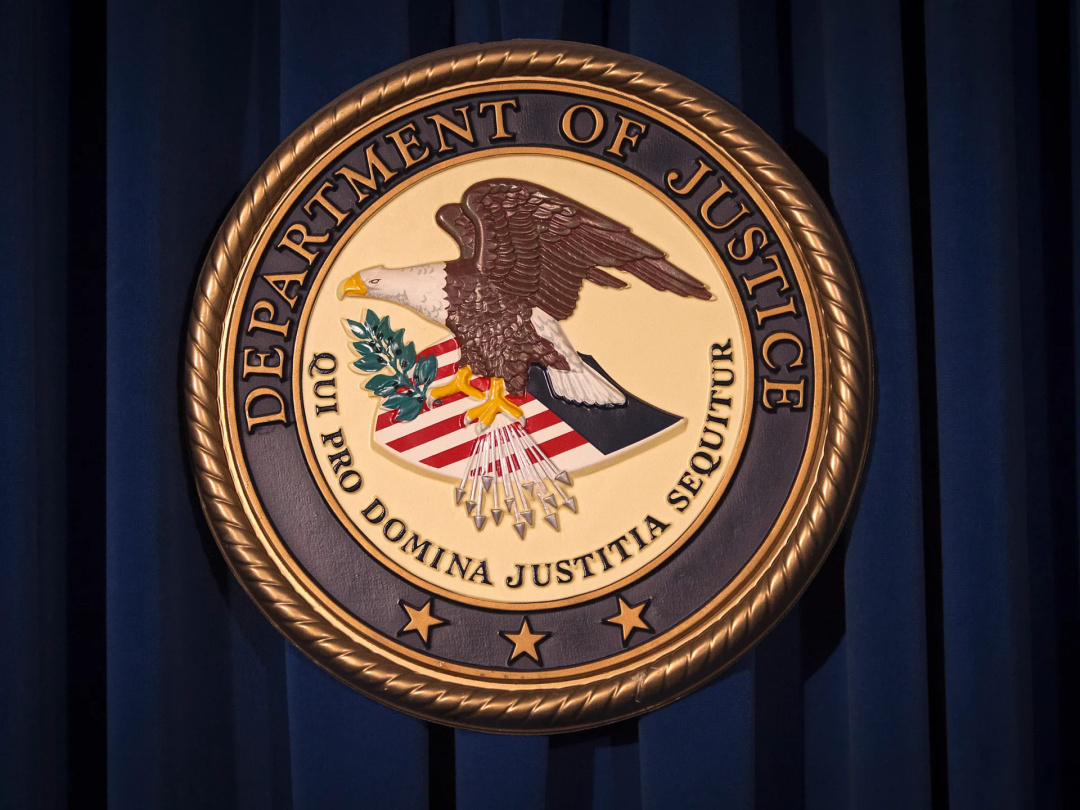
The United States Department of Justice has taken an unprecedented step in the art of electoral gymnastics, filing a lawsuit that seeks to decertify the results of a Senate race in Alaska. This legal acrobatics arrives just days before the November 3 midterm elections, a crucial juncture for Republican control in Congress, and reflects a level of creative thinking that could only originate from an administration that has mastered the art of reimagining reality.
In what can only be described as a masterclass in misdirection, the Justice Department claims that the Democrats are employing trickery by placing a candidate on the ballot who shares a name with the Republican incumbent, Dan S. Sullivan. Apparently, the idea that voters might need more than one name to remember their own representative is simply too much to ask.
Still Beats Watergate:
Sponsor success. Continue reading:
As the midterms approach, Alaska’s Senate race is not just a battle of wits; it’s a circus of electoral strategy, with challenger Mary Peltola aiming to unseat Sullivan. According to the New York Times, Peltola’s campaign allegedly helped recruit a retired teacher who just happens to share the name and could confuse voters. Because nothing says democracy like playing a name game to distract from genuine issues.
But wait—there's more! The DOJ’s legal maneuvers include 40 subpoenas and document preservation requests, which are sure to add a significant amount of paperwork to the already convoluted election process. After all, who doesn’t love a little bureaucratic chaos when the stakes are high? It seems the Justice Department has decided that certifying elections can be as fluid as a social media trend, easily discarded if it doesn’t meet approval.
The irony here is thick enough to cut with a knife. While the Constitution clearly states that election administration is a state responsibility, the Trump administration appears willing to bypass this pesky detail in favor of a more aggressive narrative. As former Justice Department official Justin Levitt aptly pointed out, the lack of clear federal violations raises questions about the integrity of these legal actions. But perhaps the objective is not to clarify but rather to create a spectacle worthy of prime time.
With Alaska's Supreme Court already having ruled in favor of allowing dual candidates, the Justice Department’s insistence on halting certification feels less like a legal necessity and more like a tantrum thrown by a child who doesn't want to lose. If the incoming results don't suit the narrative, why not just throw a fit until everyone agrees to ignore them?
A Political Performance for the Ages
As election day nears and the political stakes rise, the administration's tactics showcase a profound misunderstanding of voter intent. Critics are skeptical of this power play, arguing that simply claiming confusion does nothing to address the complex realities of electoral decisions. The narrative that Democrats are undermining public trust by recruiting candidates to play the spoiler role is simplistic at best and disingenuous at worst.
In a world where both parties have flirted with ballot stacking and candidate confusion for decades, the DOJ's sudden moral high ground is astoundingly hypocritical. This move essentially says: "We care about election integrity, provided it works in our favor." If this lawsuit stands, it could set a frightening precedent for future elections, transforming them from a reflection of the people's choice into a game of legal hopscotch where outcomes can be contested until someone wins.
In the end, when the dust settles, the Trump administration's gambit may well be remembered not for its intended consequence but for the absurdity of trying to erase an election result instead of respecting the democratic process. After all, denying reality has never been so fashionable.
Your Takeaway
As the political drama unfolds, one must ponder whether the next step in election integrity will be to simply eliminate any results that don’t align with the desired narrative. In this new era of innovation, the only thing that might be certain is that the electoral process will never be the same again. Only time will tell if this latest legal stunt will backfire or if it will redefine how elections are perceived across the nation.