Bolsonaro Claims Presidency from Florida, Leaving 'Criminal Organization' to Run Brazil

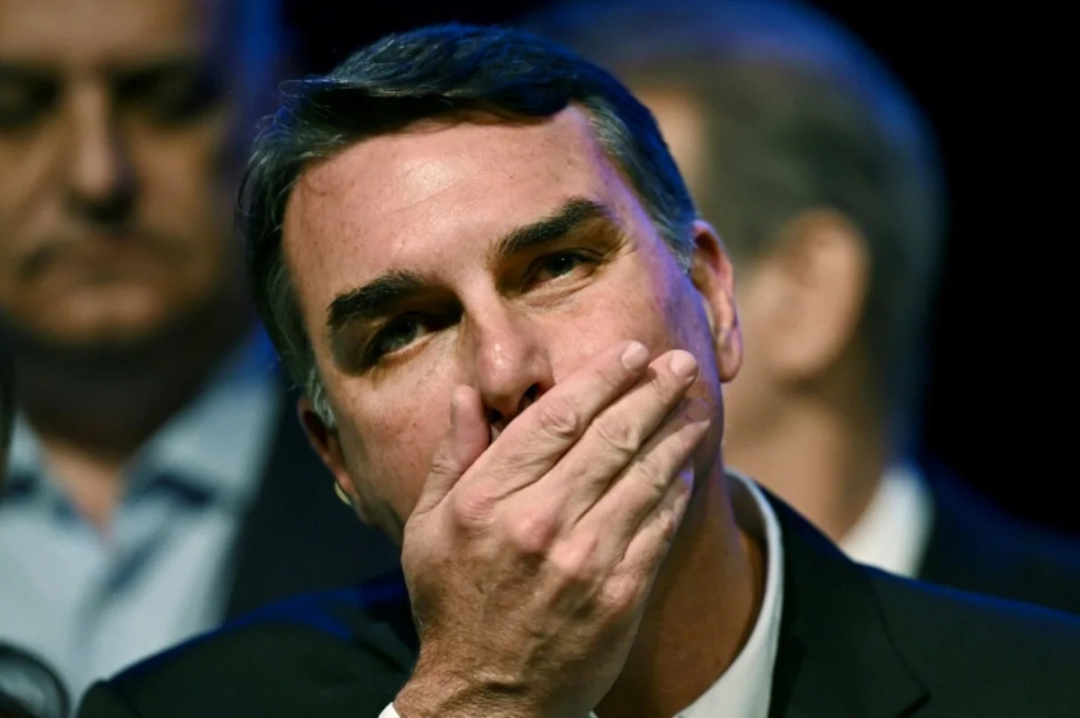
In a stunning display of political theater, Flavio Bolsonaro has touched down in Florida, promptly asserting that he remains the rightful ruler of Brazil despite losing an election to Luiz Inacio Lula da Silva. The exiled politician, who arrived in a private jet equipped with both a questionable sense of reality and a questionable grasp of geography, declared he would lead the opposition from the sunny shores of Miami, where palm trees rustle in agreement with his delusions.
Bolsonaro's impeccable timing, arriving just when the Brazilian political climate gets a bit too hot for comfort, has left many wondering if he believes the U.S. is the new capital of Brazil’s opposition party. "I am the elected president!" he declared, as if daring anyone in the room to point out that the only thing he actually elected was a one-way ticket out of Brazil. His subsequent revisions of title from 'president' to 'leader' suggest a clever strategy: if you can't hold onto power, at least hold onto a title that sounds more democratic.
Still Beats Watergate:
Sponsor success. Continue reading:
Support for Bolsonaro comes from unexpected places. Rogerio Marinho, leader of his Liberal Party, stood by his side—verbally, at least—expressing solidarity but quickly dodging the electoral fraud allegations with the agility of a seasoned politician. "The Liberal Party cannot make that claim," Marinho noted, perfectly embodying the spirit of political correctness and the notion that facts are somewhat optional in the world of politics.
Meanwhile, the Department of Homeland Security managed to apply their own brand of irony, clearing the Bolsonaro family despite their questionable passports, a statement that seems to suggest that in America, political mischief is just a family vacation away. The families of political exiles have never had it so good.
Trump's Take on Brazil's Political Drama
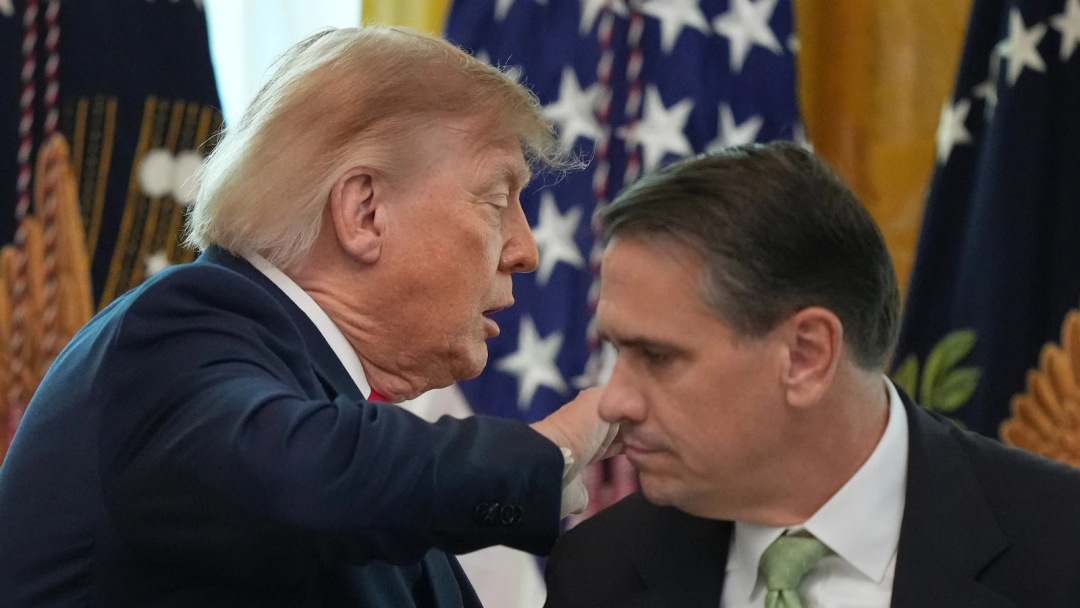
Even Trump, the grandmaster of political maneuvering, chimed in with his own bizarre commentary, labeling Brazil's election as "very strange" but wisely opting to steer clear of endorsing Flavio's self-proclaimed presidency. It seems that political exiles have their own special rules of engagement—where the person declaring victory is often the one with the best exit strategy.
Applied to you
Lula called the whole affair a "shameful act," suggesting that anyone who flees their country likely has something to hide—not that the irony is lost on the rest of the world, which regularly watches leaders awkwardly justify their exits under the guise of self-preservation. But on the bright side, Flavio's cinematic connections hint at a potential film career that would make even Jim Caviezel blush, turning this political drama into an international spectacle of farce.
In the end, Flavio Bolsonaro's escapade serves as a reminder that in politics, sometimes the only thing more absurd than the claims made by leaders is the lengths they will go to assert their power, even from the comfort of a Florida beach chair. As he settles into his new life, perhaps he'll find clarity in the sun—though the whispers of a "criminal organization" back home might just be audible enough to disrupt his tanning sessions.