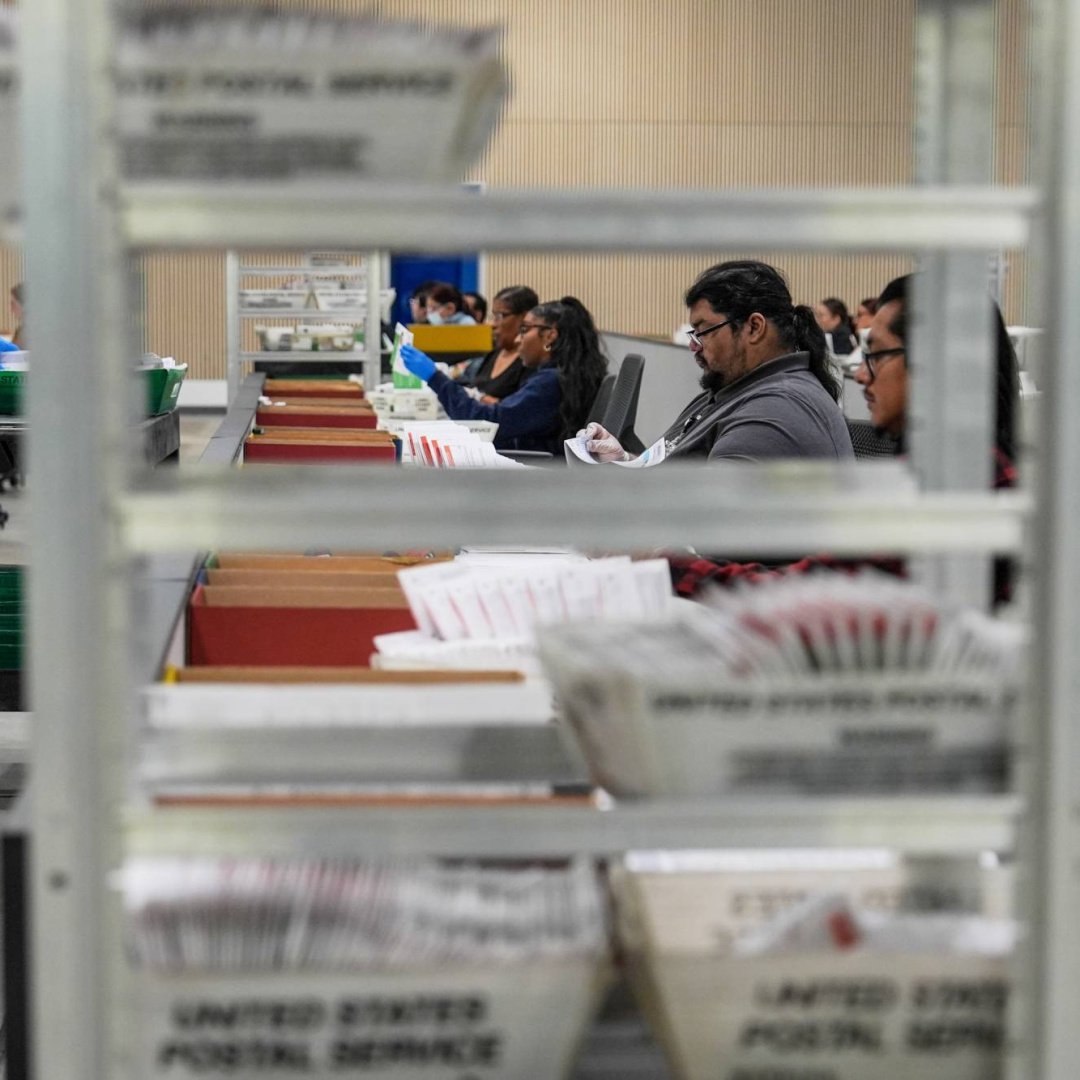
Federal Judge Says California Voters Must Not Be Disenfranchised by Unfounded Claims
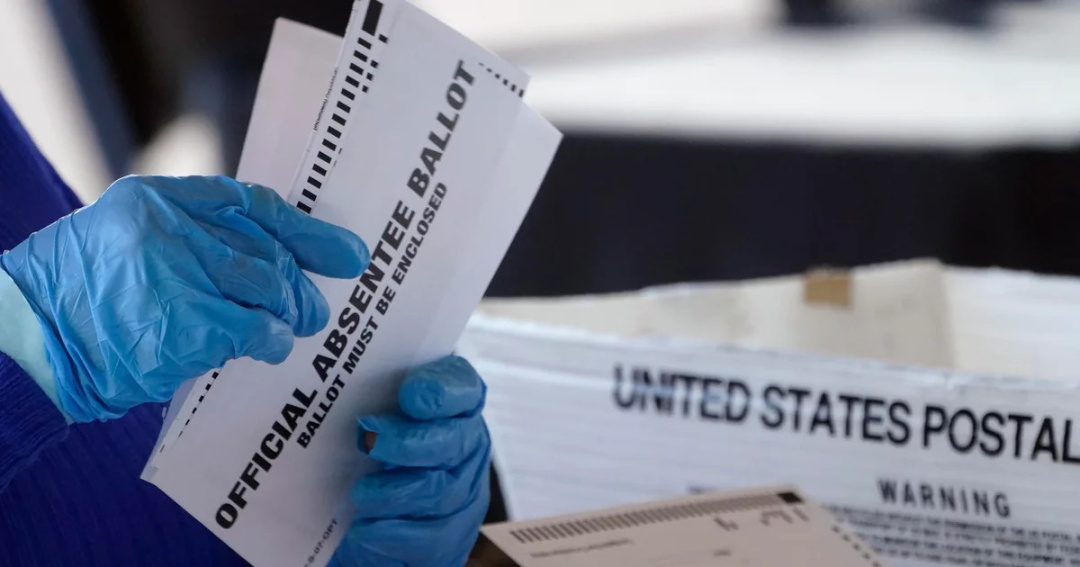
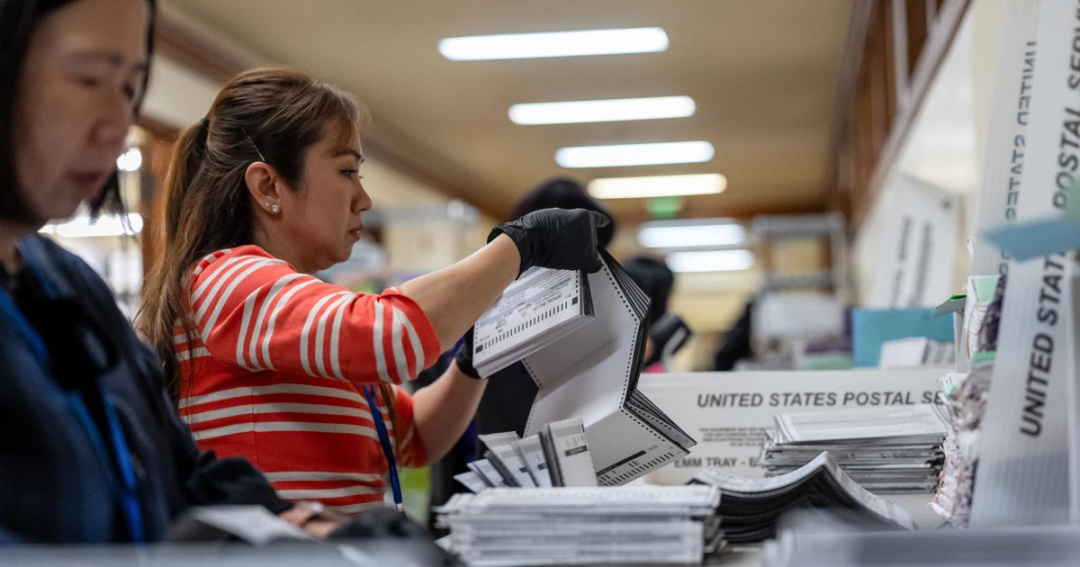
In a shocking display of judicial sanity, U.S. District Judge David Carter made it clear that the right to vote is not something to be casually toyed with—at least not on the eve of an election. The judge rejected the Trump administration’s desperate attempt to force California officials to segregate mail ballots from a dubious list of 20,000 alleged noncitizens. You know, those people who apparently discovered their voting rights in a dark alley behind a Taco Bell.
The judge’s ruling is less about electoral integrity and more about the precarious balancing act of maintaining democracy while simultaneously fending off federal overreach, or as Judge Carter put it, “Never before in American history has the federal government sought to coerce a state and local government to abandon their own Constitutional elections procedures.” Which begs the question: Has anyone in the administration ever even read the Constitution, or are they just using it as a coaster for their coffee cups?
Still Beats Watergate:
Sponsor success. Continue reading:
Of course, the Department of Justice argued that this segregation was crucial for maintaining the integrity of our elections—after all, who wouldn’t want to win by throwing out potentially legitimate votes based on a list riddled with inaccuracies? But Carter shot back, likening the request to a political game that risks disenfranchising 20,000 registered voters. It turns out that voting is supposed to be about inclusion, not exclusion. Who knew?
With the winds of election season howling, the administration’s push to create an electoral chaos machine has met with a healthy dose of skepticism. The judge pointed out that the process used to construct the infamous list of alleged noncitizens was “vague” at best. It’s almost as if the Justice Department was drawing names out of a hat rather than following any credible verification process. But hey, if you can’t win on merit, why not just slander a few ballots?
A Legal Stand for Electoral Integrity
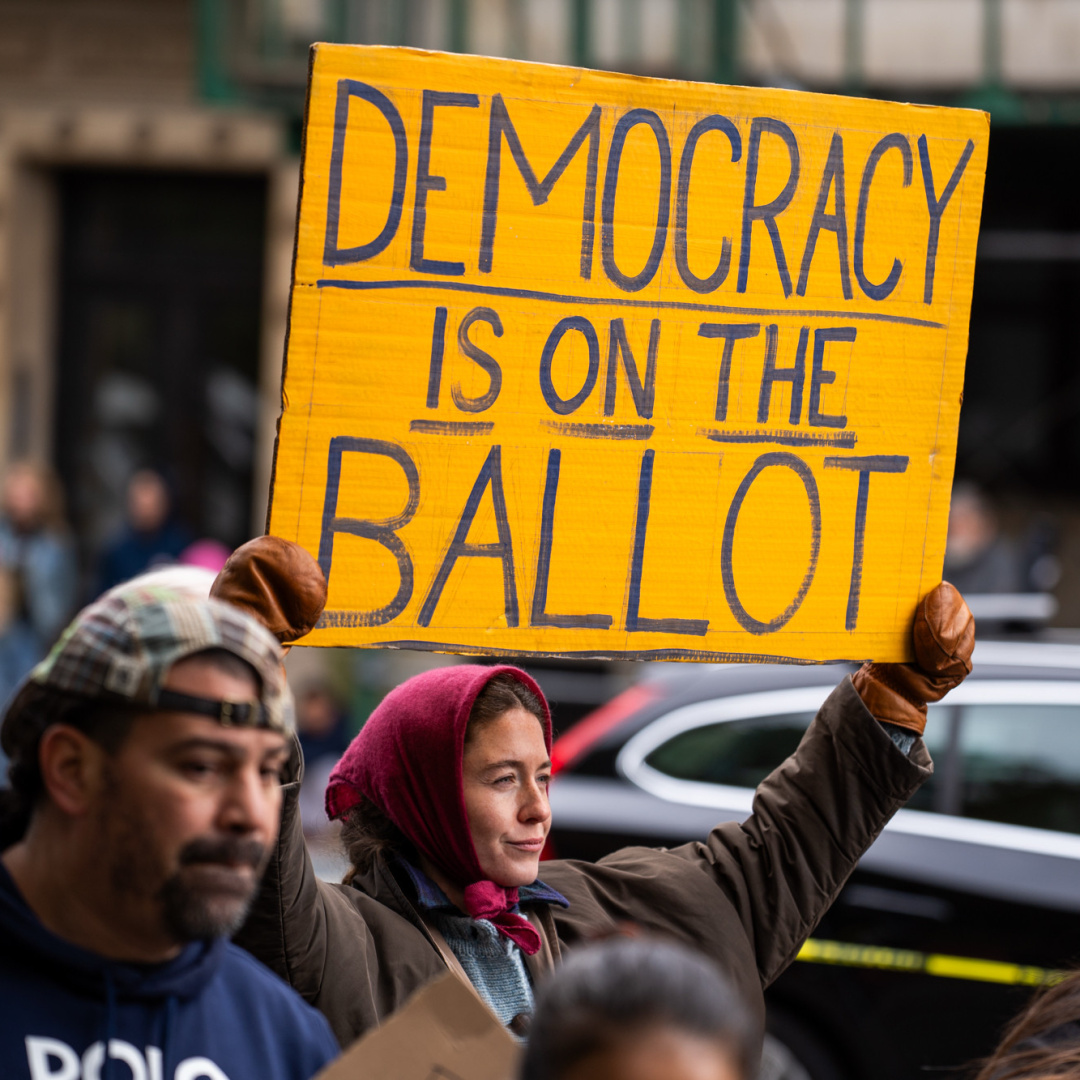
Carter's ruling wasn't just a legal victory for California; it was a rallying cry for all those who value the voting process. He noted that constitutional rights and democracy hang in the balance, and that unfounded allegations should not disrupt the core of American values. So while the Trump administration attempts to redefine the meaning of 'trust in elections', the judge is insisting that it doesn’t come from fearmongering or arbitrary exclusions.
The spectacle continues, with the administration’s underhanded attempts at controlling the electoral narrative under scrutiny. As election officials scramble to process millions of mail-in ballots, Carter’s ruling serves as both a reminder and a clarion call: in America, every vote counts—unless, of course, you’re on a government list.
Your Takeaway
In a world where political stunts often overshadow genuine governance, this ruling serves as a potent reminder that the heart of democracy beats stronger than the motivations of those in power. Voters shouldn’t have to worry about being disenfranchised by a misplaced government list, and the push for transparency should not come with a side order of chaos. The judge's decision, which emphasizes that voters' rights are paramount, is not just a victory for California—it’s a victory for democracy itself.
As we gear up for the elections, remember: every voice matters, and every attempt to silence those voices will be met with resistance, even from the courts. The judge’s rejection of this request not only preserves the integrity of the electoral process but also challenges the narrative that some votes are more 'valid' than others. In the end, it’s not just about ballots; it’s about the fundamental right to be heard in the land of the free.