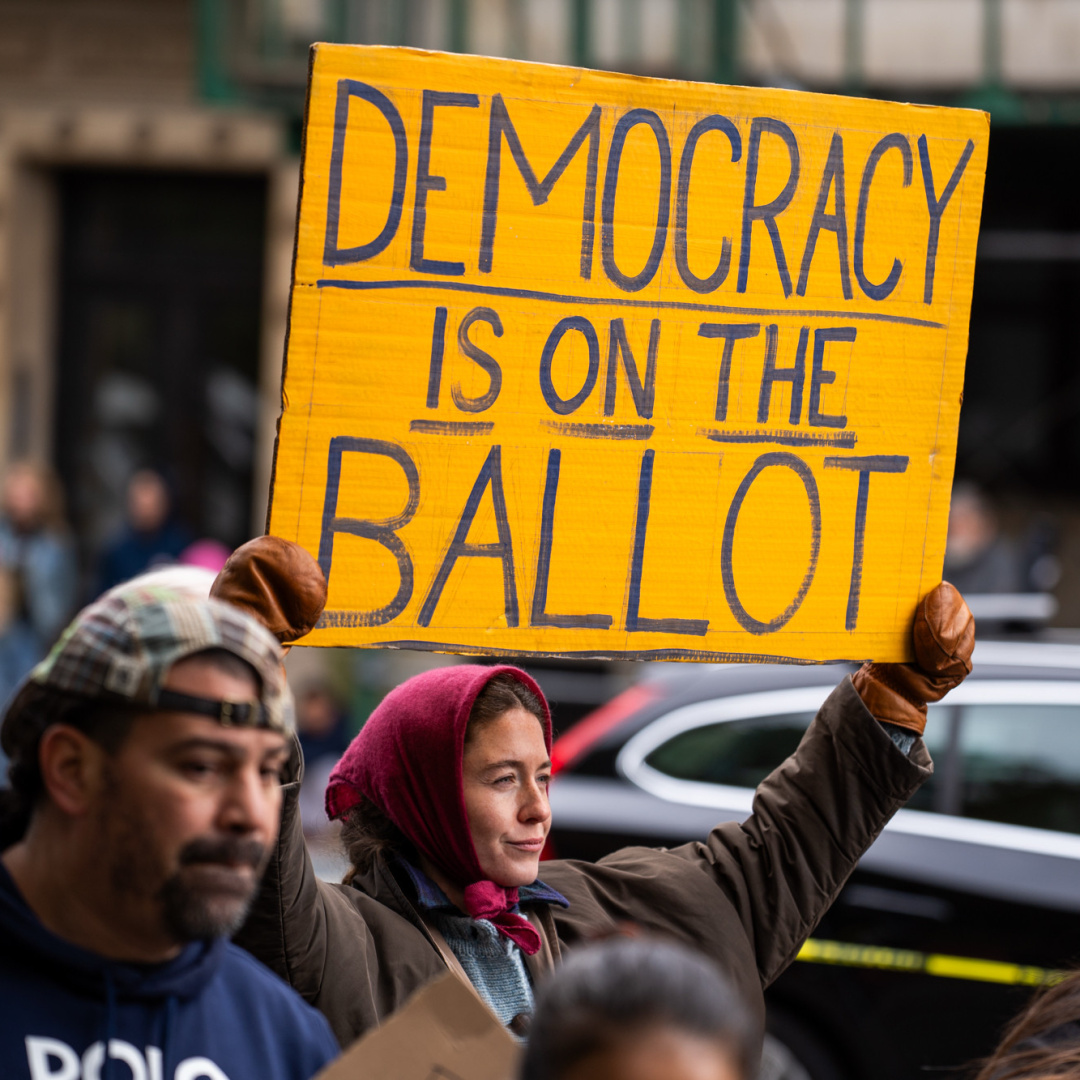
Judge Declines Trump's Ballot Segregation Request, Citing Chaos as Top Priority
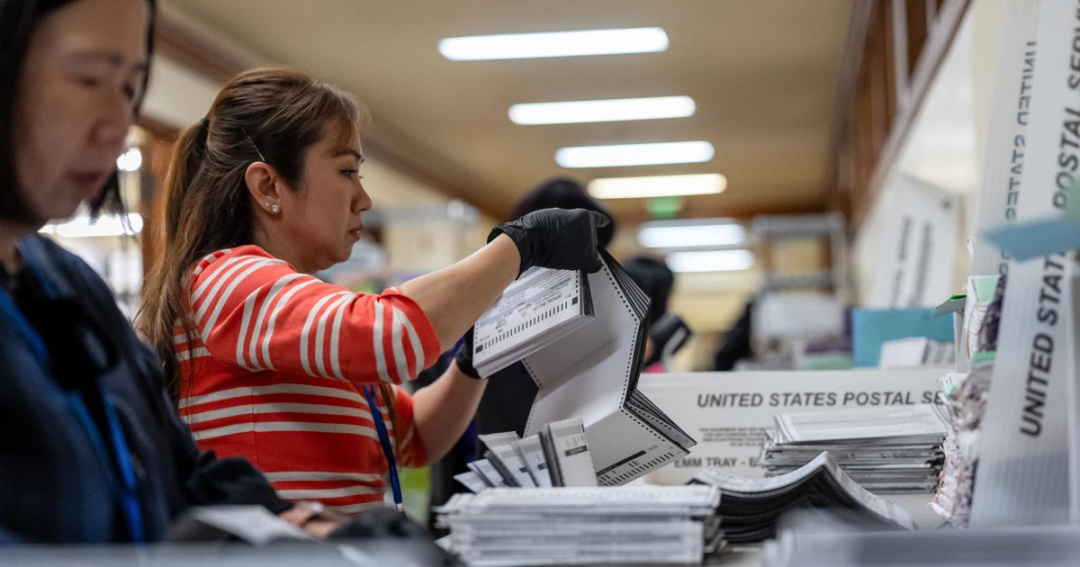
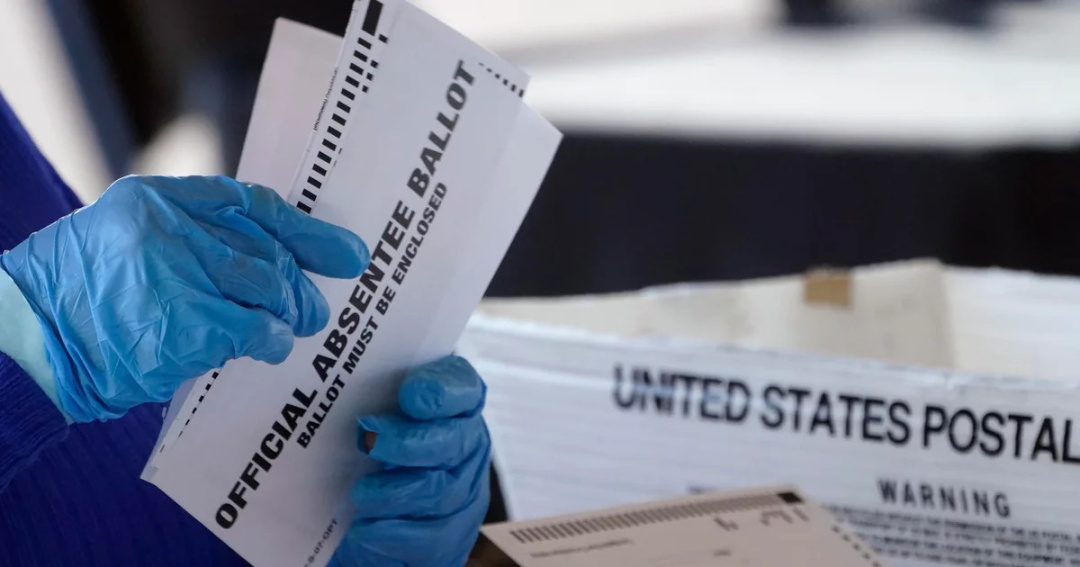
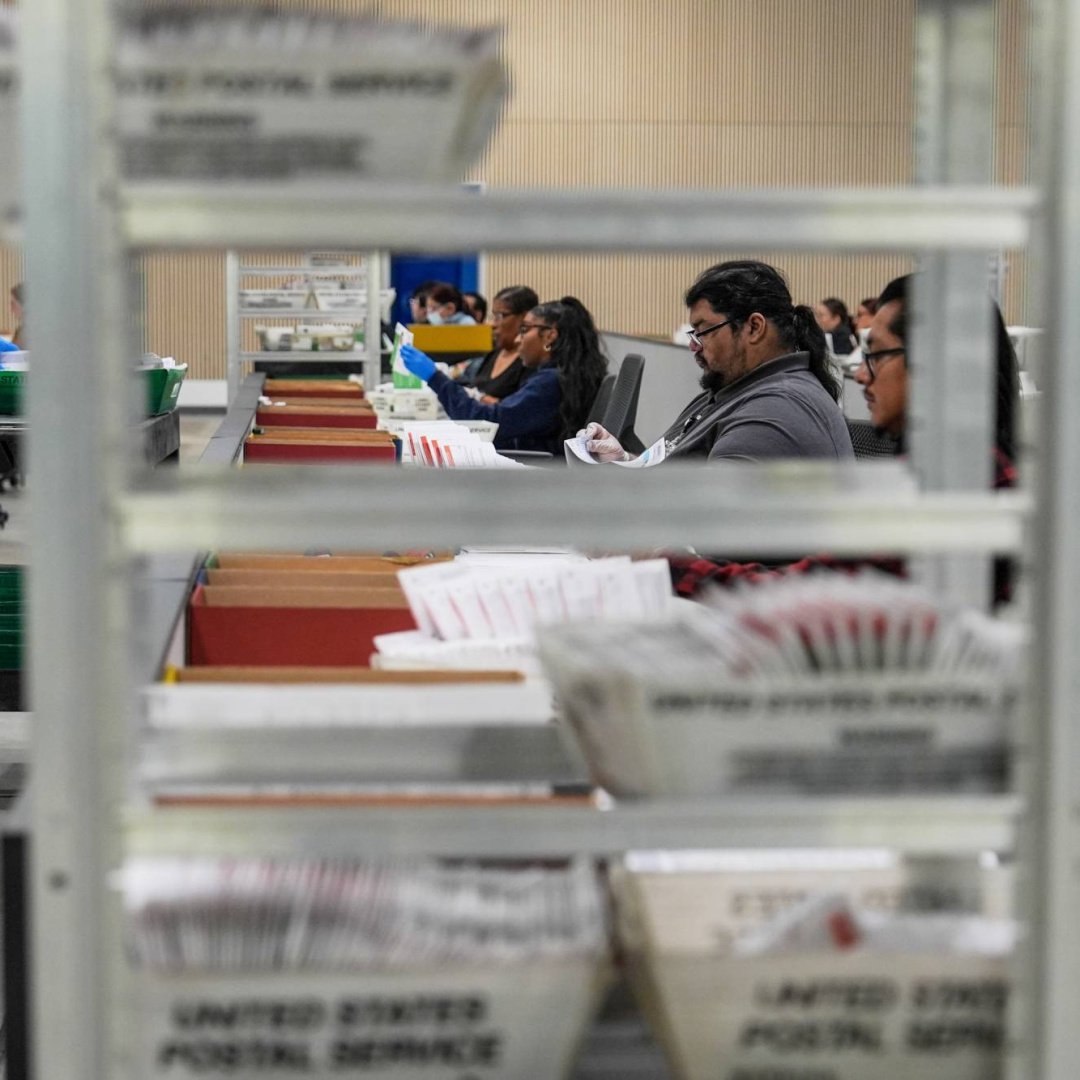
In a landmark ruling that could only be described as a masterclass in how to avoid bureaucratic chaos, a federal judge in California has denied the Trump administration’s audacious request to separate 20,000 mail-in ballots from individuals allegedly not holding U.S. citizenship. U.S. District Judge David Carter, donning his judicial cape, bravely declared that granting such a request would unleash pandemonium upon the electoral process. Apparently, the chaos was simply too tempting to unleash upon an unsuspecting nation.
Judge Carter pointed out the clear remedy available to the federal government, suggesting they could utilize their prosecutorial tools to address the supposed issue rather than creating a scenario where everyone involved could panic and blame each other. It’s refreshing to see a judge take a stand against not just chaos, but the very notion that political convenience should supersede constitutional principles. Who knew that the integrity of elections and the comfort of voters could be so closely linked?
Still Beats Watergate:
Sponsor success. Continue reading:
Yet, the tale grows more absurd as the administration, in its quest for order, has requested the state to set aside votes it deems suspicious based on a list that could apparently rival the length of Santa’s naughty list. With rumors of unreliable data swirling, California attorneys pointed out how the government’s figures are akin to a magician's trick, leaving everyone questioning where the numbers come from and what they really mean. It’s almost as if they’re suggesting that magical thinking should be a legitimate basis for election integrity.
As if this judicial performance wasn’t enough, Judge Carter also turned the tables on the Justice Department by suggesting that if they truly believed non-citizen voting was occurring—an act that could lead to serious criminal charges—they might want to consider actually doing something about it rather than resorting to ineffectual theatrics in a courtroom. This courtroom drama is not merely a legal battle; it’s a high-stakes game of who can create the most confusion while avoiding direct accountability.
The Chaos of Electoral Manipulation
As the story unfolds, we find ourselves in a narrative where the incentives to ensure clarity and fairness in the voting process are overshadowed by the desire to create chaos for electoral gain. And, just when you thought it couldn’t get any better, the appeals court waded in, stating that the government’s so-called emergency was partially self-constructed, proving that sometimes the best scriptwriters are the ones who aren’t even trying.
Your takeaway
Judge Bumatay, a dissenting voice, argued for immediate relief, claiming federal law should ensure that ballots from noncitizens aren’t mixed with legitimate votes. But perhaps we should ask ourselves: if the government is so concerned about illegal voting, why not simply hold a press conference and announce that anyone caught casting a vote without the proper documentation should be treated like a contestant on a reality show—disqualified with the cameras rolling?
With ballots flying and emotions running high, this latest twist in the saga showcases the absurdity of political maneuvering where chaos reigns supreme, and clarity is just a mythical beast, somewhere in the distant land of judicial wisdom. As we eagerly await the next episode in this ongoing drama, one thing is clear: when it comes to electoral integrity, the only certainty is uncertainty itself.