Lindsey Graham's Transformation: A Study in Political Survival
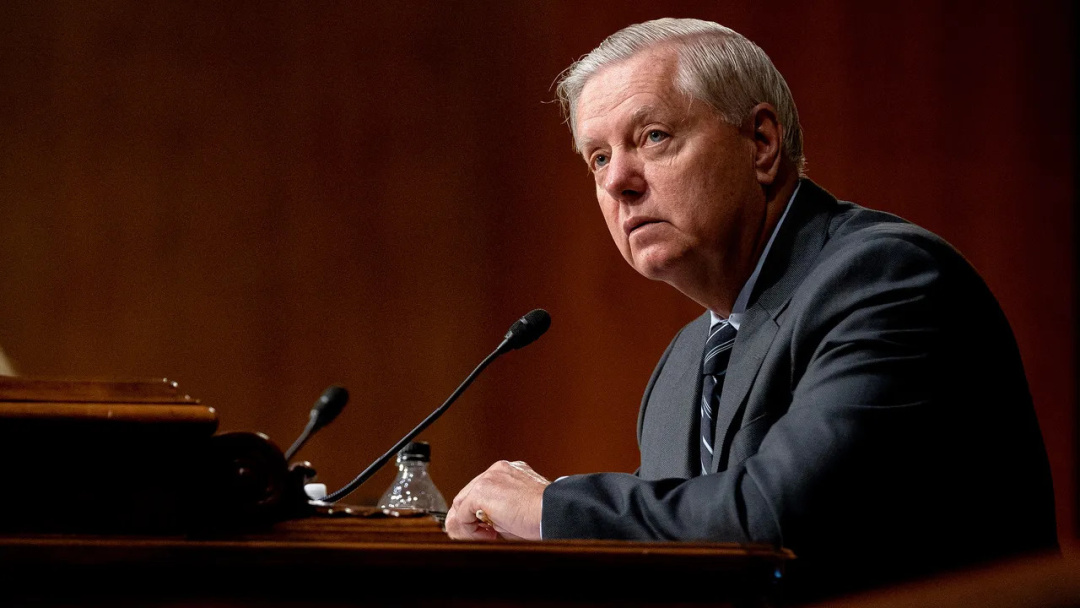
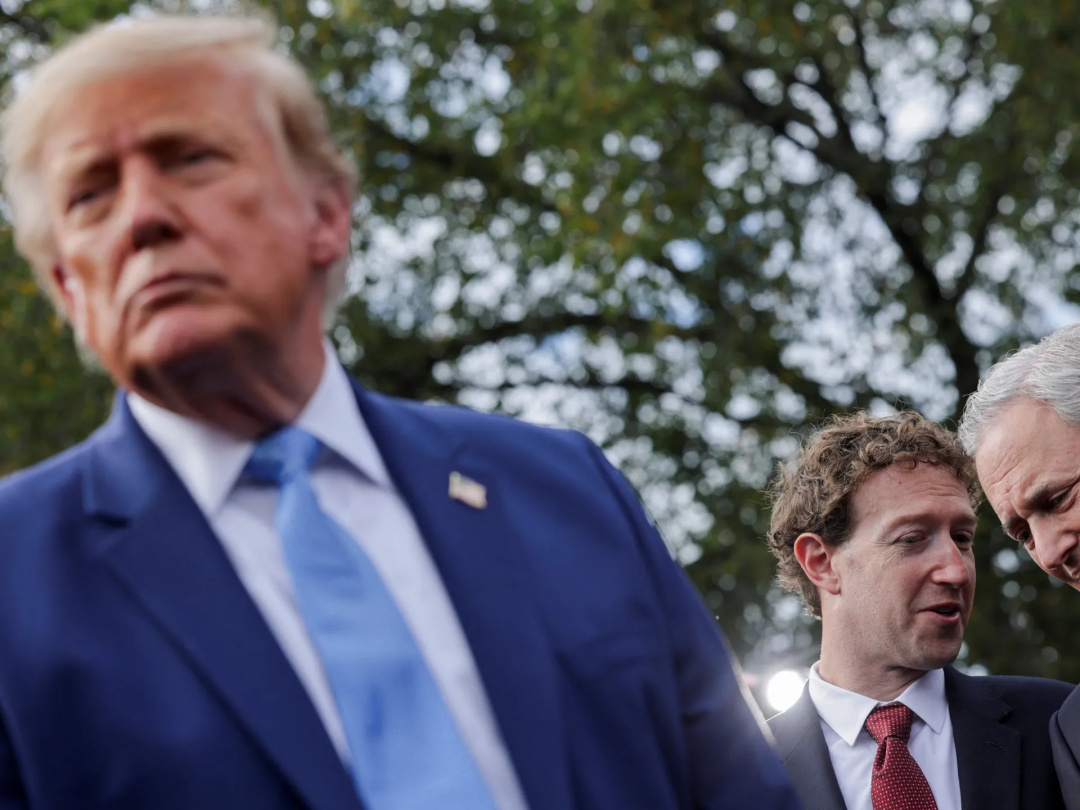
In the grand circus of American politics, few acts are as bewildering as the metamorphosis of Senator Lindsey Graham. Once the outspoken critic of Donald Trump, Graham has now donned the robes of unwavering loyalty, transforming into the President's most reliable cheerleader. This remarkable ideological makeover raises critical questions about political survival in a party where loyalty is measured by the depth of one’s sycophancy.
Imagine the meeting where this transformation was birthed. Graham presumably sat across from Trump, engaging in a dialogue that can only be described as a masterclass in political gymnastics. One can almost hear the President's words: 'Lindsey, you can either be a respected statesman or my number one fan. Choose wisely.' The stakes were high, and it was clear: to remain in the game, Graham had to embrace the role of the devoted acolyte.
Still Beats Watergate:
Sponsor success. Continue reading:
The transformation didn’t happen overnight; it was a gradual process facilitated by a series of strategic calculations and a profound understanding of the current Republican landscape. Graham's initial skepticism was quickly overruled by the realization that the path to power no longer required principles—just a firm handshake and a willingness to nod vigorously at Trump’s more outlandish proclamations.
The Senator's new persona has led to some truly unforgettable moments, including the time he publicly praised Trump's handling of foreign policy while simultaneously attempting to distance himself from the consequences of such policies. It's as if Graham has discovered a secret to success: the more absurd the statement, the more likely it is to resonate with the base. In this brave new world, Graham has become an acrobat, deftly flipping from one position to another, all while maintaining a smile that suggests he has never been happier.
This alignment with Trump raises eyebrows not just among political pundits but also within Graham’s own party, where a divide exists between traditional conservatives and the new wave of populist followers. Yet, Graham has managed to walk this tightrope, balancing his past as a moderate while embracing the present-day reality of Trumpism. His uncanny ability to adapt has made him a case study in political survival, one that future generations of politicos will undoubtedly study with a mix of admiration and horror.
As the 2024 election approaches, Graham’s steadfast loyalty is likely to continue to be put to the test. Will he emerge as the party’s leading voice, or will he be left behind as the next wave of political shifts rolls through? Only time will tell. In the meantime, one thing is certain: Senator Graham’s evolution from Trump critic to Trump loyalist proves that in Washington, the only constant is change—and the occasional cringe-worthy flip-flop.