Twenty-Five Years Later, Surveillance Still Just a Touch More Convenient than Privacy
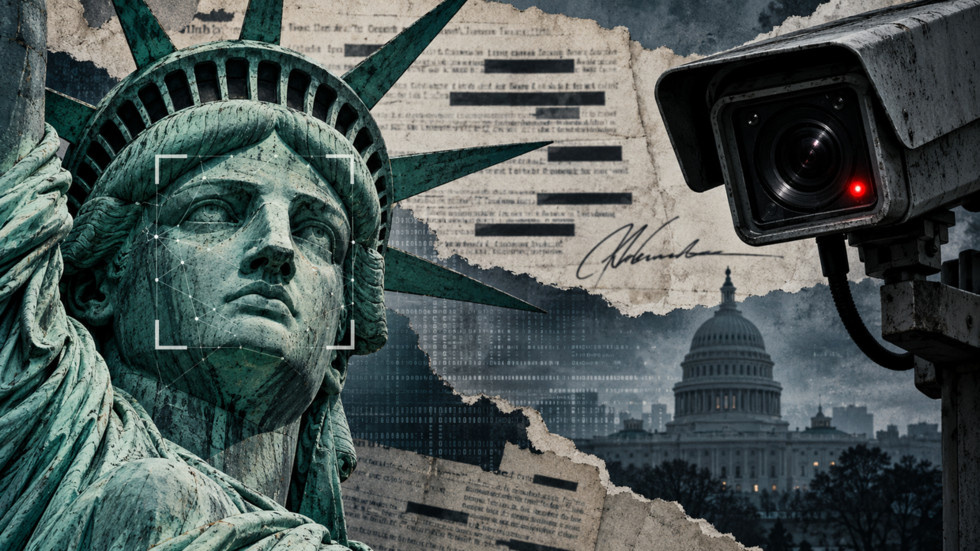
In a stunning display of bureaucratic ingenuity, the United States marks the 25th anniversary of the USA PATRIOT Act by reaffirming its commitment to surveilling every American in the name of security. Why bother with pesky privacy regulations when you can embrace the warmth of endless data collection?
Following the events of 9/11, Congress rushed to grant the government expanded powers, leading to a new era where civil liberties became a mere footnote to national security. With the speed of a post-attack sale, the PATRIOT Act flew through Congress, heroically sacrificing privacy on the altar of safety. Forget about the implications; the only question that mattered was: how quickly can we monitor everyone?
Still Beats Watergate:
Sponsor success. Continue reading:
Fast forward to today, and we’re not just having our rights whittled away—we’re being offered a shiny new AI tool to help! It’s like handing a toddler a lighter and calling it a ‘fire safety initiative.’ AI promises to uncover threats lurking in the shadows, but of course, those shadows include your everyday online activities. In the hands of our officials, AI becomes not just a tool but a herald of a new world order where every click is logged, and every text is scrutinized.
The Paradox of Surveillance and Safety
The irony, of course, is that while the government insists these measures are necessary to combat terrorism, they also raise a question: how can we identify a threat when we’re all potential suspects? With AI processing our every movement, suddenly, everyone becomes a suspect in a never-ending game of digital hide-and-seek. The security state is not just a reality; it’s a lifestyle choice, one that prioritizes information over individual rights. And let’s not forget the charming concept of ‘accountability’—in this brave new world, it’s less about what the AI systems can do and more about how well they can pass the buck.
Your takeaway
Even as critics argue against these invasive practices, the government’s response is always a reassuring: ‘Trust us!’ It’s comforting to know that the folks who brought you wiretaps without warrants are now leveraging machine learning to enhance their surveillance efforts. Surely, it’s only a matter of time before the government adds a ‘freedom filter’ to our browsing history to ensure we’re only looking up information deemed appropriate by the state.
In the end, one must ponder the central lesson from the PATRIOT Act: it’s not that security and civil liberties are inherently at odds; it’s that we’re in a constant balancing act, and the scales are tipped heavily in favor of convenience. As we move into the future, the question remains: when will we realize that our right to privacy is worth more than the fleeting comfort of being constantly monitored? Let’s raise our glasses to 25 years of optimal oversight, and may the odds forever be in our favor!