Special Master to Investigate California's Voter Rolls While Judge Sips His Coffee
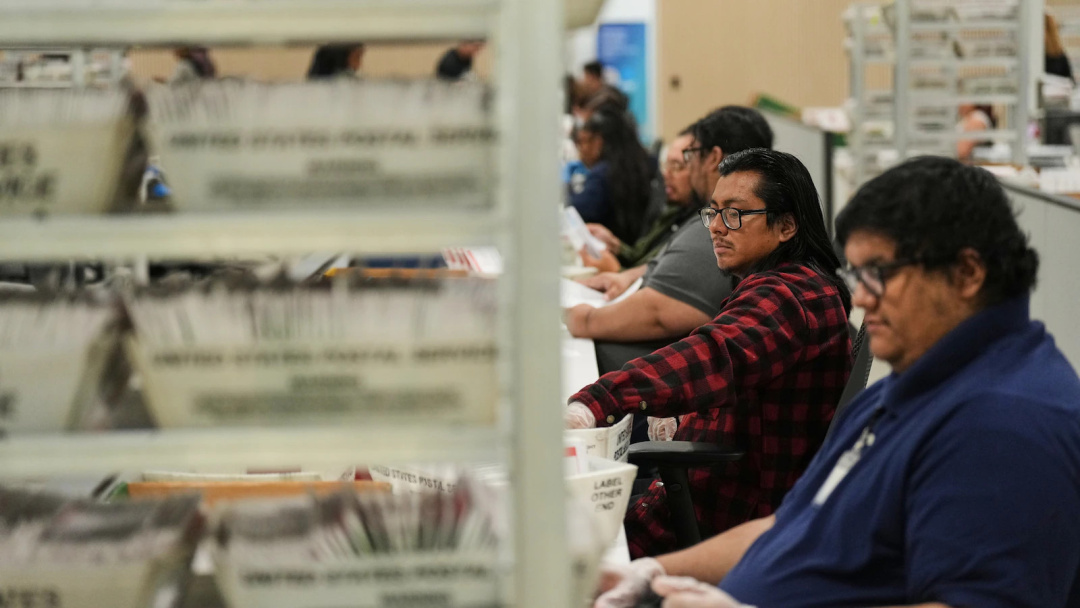
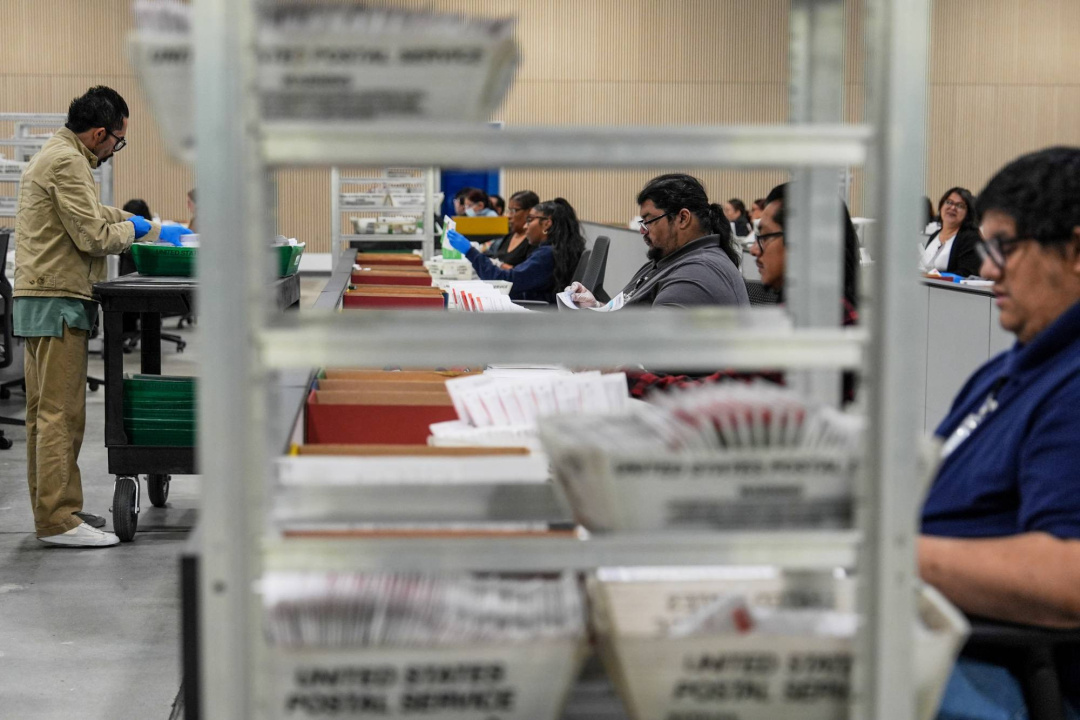
In what can only be described as a masterclass in bureaucratic theater, a federal judge has decided to consider the possibility of appointing a special master. This enigmatic figure would evaluate the Trump administration's audacious claims that California's voter rolls are hiding a staggering 20,000 noncitizens ready to throw a wrench in the electoral machinery. Alas, while the judge mull over his options, millions of ballots have already been cast, adding a delightful dash of chaos to the proceedings.
Los Angeles is the stage for this high-stakes drama, as Judge David O. Carter convenes a hearing to oversee the Justice Department's lawsuit against California. The administration is seeking to prevent the counting of ballots cast by these alleged noncitizens, presenting a case that is as perplexing as it is politically charged. As the judge contemplates the implications of appointing a special master, one has to wonder if he believes that a mere title can untangle the mess of claims and counterclaims swirling around like a political tornado.
Still Beats Watergate:
Sponsor success. Continue reading:
In a classic bureaucratic twist, Judge Carter declared that rushing to a decision might result in making illegal changes to election procedures during the voting process. After all, why not take a moment to reflect? What’s a few weeks to evaluate a list that could potentially derail democracy as we know it? The judge’s commitment to thoroughness is commendable, yet it raises questions about whether he’s seeking truth or simply enjoying a lengthy intermission.
Meanwhile, the Trump administration, in its quest for electoral purity, has expressed a desire to 'safeguard' the election rather than void any ballots. First Assistant U.S. Attorney Bill Essayli made this declaration with all the enthusiasm of a child at a candy store, eager to indulge in a campaign against the scourge of noncitizen voting, despite evidence suggesting that the problem might be as rare as a unicorn at a congressional hearing.
The plot thickens further as the judge grapples with the idea that California officials may not be able to separate ballots from ineligible voters in time to meet the deadline. One can almost hear the collective gasp from the audience—how will we even know who is casting votes if they’ve already cast them? It’s a true conundrum for the ages, worthy of a Shakespearean tragedy, if only the stakes weren't so dramatically low.
The Unfolding Drama of Election Integrity
As we approach the climax of this judicial spectacle, local election officials are left wondering what happens if this special master does discover a notable number of noncitizens among the flagged names. Will the state prepare for an electoral apocalypse, or will they simply shrug and carry on as usual? The laughter in the courtroom suggests either outcome is equally plausible.
With ballots cast and the election looming, one has to appreciate how this becomes less about governance and more about the performance art of politics. As the wheels of justice turn slowly, California voters are left with the frustrating realization that their ballots might simply be the latest props in this grand judicial theater. So, in the end, we await the special master’s verdict, while the judge sips his coffee and contemplates the next act of this political play.
Your Takeaway
As the election deadline looms, it’s hard to escape the feeling that this entire debacle is merely a subplot in a larger narrative about the absurdities of political power. Each twist and turn in this unfolding drama serves as a reminder of how convoluted the path to electoral integrity can become when it’s riddled with sensational claims and dubious lists. The real question is: will this performance conclude with a grand reveal or simply fade into the political background noise? One thing is for certain—California voters are about to witness a finale that might just leave them shaking their heads in disbelief.
As we stand on the brink of electoral uncertainty, the takeaway here is simple: when it comes to political theater, expect the unexpected. The more the administration pushes its narrative, the more likely it is that reality will take a backseat. In the end, voters may have to navigate a process that resembles a circus more than a civic duty, all while the special master prepares for a role no one quite asked him to play.