Grand Jury Declares Independence from Justice Department’s Hopes for Accountability
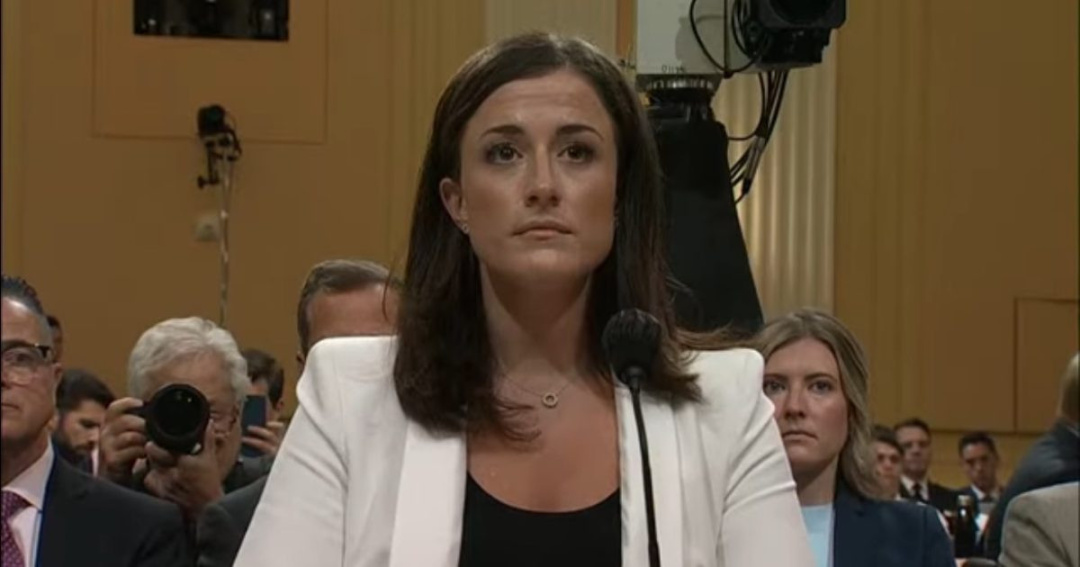
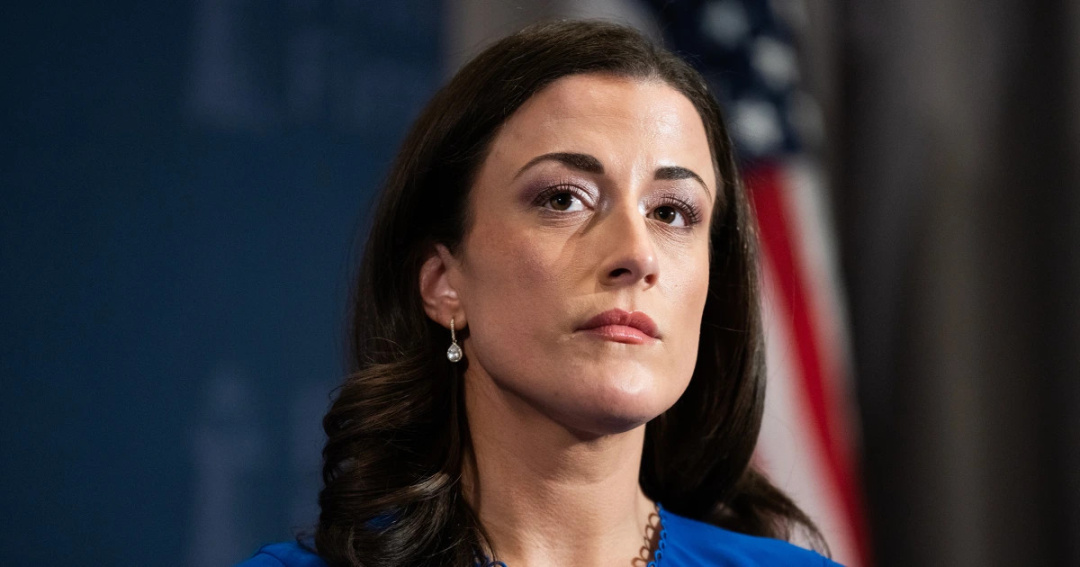
In a remarkable turn of events, a grand jury has chosen to reject the Justice Department's effort to indict Cassidy Hutchinson, the so-called star witness from the January 6 Capitol riots. The Department, known for its rigorous pursuit of justice—or at least its own definition of it—seems to have miscalculated the jury's appetite for drama, leading many to speculate: did they really expect a different outcome?
As the news broke, the Department's hopes to hold Hutchinson accountable for her testimony began to drift away faster than a politician's promise in a midterm election. The evidence presented to the jury was akin to offering a marshmallow in a courtroom full of hungry lawyers; enticing but ultimately ineffective. The jurors, perhaps fatigued by the spectacle of political theater, decided they preferred their popcorn to actual indictments, leading to a collective shrug reminiscent of the audience at a poorly reviewed play.
Still Beats Watergate:
Sponsor success. Continue reading:
Hutchinson's testimony, which involved a rather vivid account of President Trump attempting to commandeer his presidential vehicle in a fit of rage, had previously sent shockwaves through the political system. It painted a picture of a man more interested in a joyride to the Capitol than the constitutional duties of the presidency. And yet, the grand jury seemed unimpressed, as if they had just been shown a rerun of a sitcom that had already been canceled.
Meanwhile, reports have emerged suggesting that the Justice Department’s attempts to indict Hutchinson were built on shaky ground. The House oversight subcommittee, led by Rep. Barry Loudermilk, has since found that several unreleased testimonies from White House staff directly contradict Hutchinson's claims. If only the Justice Department had known that it was a juggling act filled with flaming torches instead of a straightforward legal case.
The Absurdity of Legal Accountability
Perhaps the most captivating aspect of this case is how it highlights the absurdity of our legal institutions in their attempts to navigate the murky waters of political accountability. The Justice Department seems to be playing a game of chess while the grand jury, armed with a deck of Uno cards, just wants to keep the game fun. As the dust settles, one can't help but wonder: will this grand jury's decision lead to a newfound independence for witnesses, or will it merely reinforce the notion that some stories are best left untold?
The Justice Department, armed with its best intentions to uphold justice, now faces an existential question: How do you indict someone when the jury is busy ordering takeout? Maybe next time, they should stick to asking for a simple yes or no instead of attempting to play in the deep end of a political pool filled with sharks.
A New Era of Witness Independence
As we move forward, the implications of this grand jury's decision are sure to ripple through the political landscape. Witnesses may now feel emboldened, viewing the courtroom as a stage where they can star in their own narratives without the fear of repercussions. The Justice Department will have to recalibrate its strategy, perhaps considering a pivot from indictments to public relations campaigns focusing on rehabilitating its image.
The next time a witness takes the stand, perhaps they’ll bring an entourage, complete with a publicist and a team of narrative consultants. Because why not turn a legal proceeding into a full-blown reality show? After all, if political theater has taught us anything, it’s that the show must go on—even if it means letting the grand jury have the final laugh.