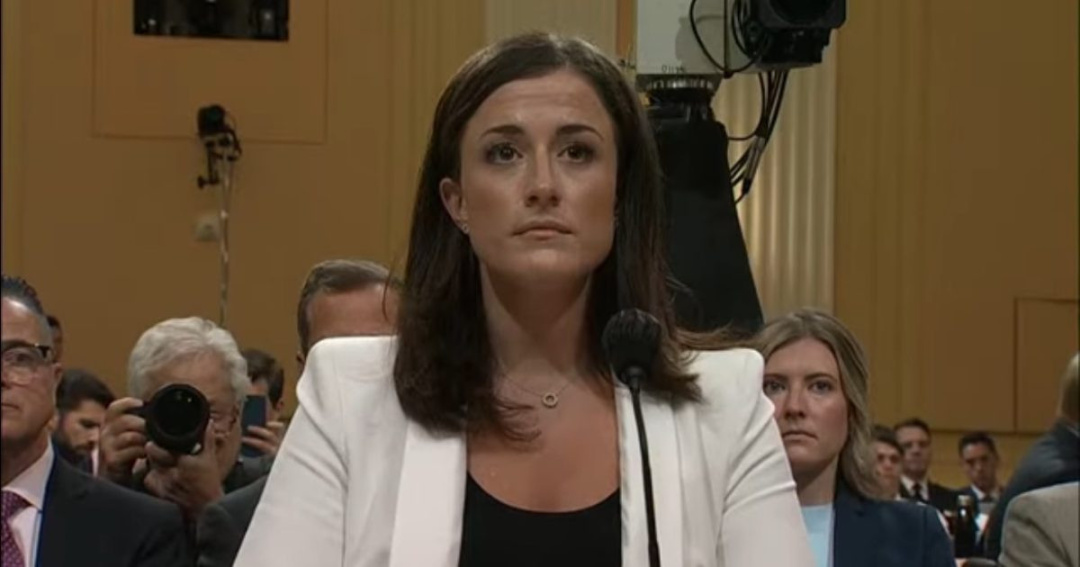
Justice Department Reveals Grand Jury's Secret to Indictment: Just Don’t!
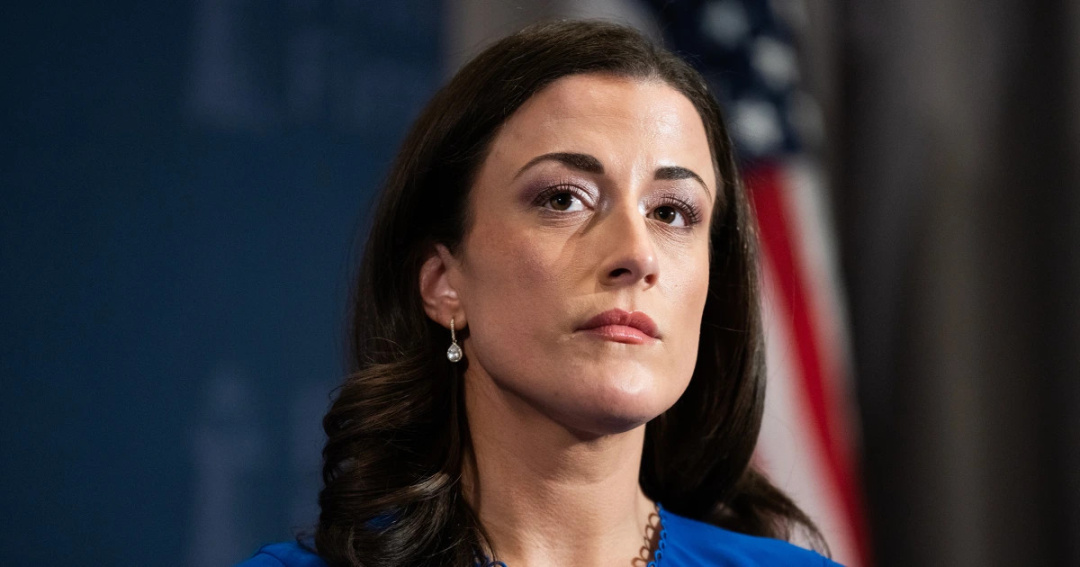
In what can only be described as a masterclass in legal gymnastics, the Justice Department has declared that the best way to handle a difficult case is simply not to handle it at all. On Tuesday, a federal grand jury opted not to indict Cassidy Hutchinson, the former White House aide whose candid testimony about Trump's actions on January 6 turned more heads than a bad reality show plot twist. The decision has left many wondering if the grand jury was operating on some sort of avant-garde legal strategy where an indictment is just a suggestion, not a requirement.
Hutchinson, who had the audacity to share her inside scoop on the Capitol riot, had become a favorite target for Trump, who labeled her a "scam artist" for telling the truth. Clearly, the Justice Department seems to have taken a page out of their playbook, where accountability is a concept better left to the imagination. After all, if they can't secure an indictment, why not just declare that they never wanted to in the first place? It’s a brilliant strategy — like a chef who simply refuses to cook when things get too hot in the kitchen.
Still Beats Watergate:
Sponsor success. Continue reading:
The grand jury's "no bill" verdict — which is legalese for "we just can’t be bothered" — signifies the latest in a series of rejections that have characterized the Justice Department's pursuit of those whom Trump perceives as enemies. It's almost as if they’ve adopted a new motto: "Why bother with charges when you can just let the clock run out?" If that isn't a refreshing approach to justice, then what is?
What’s even more baffling is the fact that this case was spearheaded by the Civil Rights Division, an office ostensibly dedicated to upholding justice and constitutional freedoms. One can only imagine the discussions in the back rooms: "Let’s protect civil liberties by not actually charging anyone! Brilliant!" It's a bold reinterpretation of their mission statement, one that surely made Harmeet Dhillon — Trump's appointee at the helm — proud.
Now, while the Justice Department may have put their feet up and decided to take a long, leisurely nap on this case, it doesn’t mean that they won’t try again. As they say, good things come to those who wait. The refusal to charge Hutchinson doesn’t preclude future attempts — it’s more like putting a pin in a project you’re not quite ready to tackle yet because, well, who has the energy?
The Ongoing Drama of Accountability
In the grand theater of political drama, the absence of an indictment does not erase Hutchinson’s testimony; it merely allows her to continue walking free in a world where truth is just another relative term. Meanwhile, Trump continues to rewrite the narrative, calling for retribution against anyone who dares speak out against him. If only he had the same enthusiasm for courtroom victories as he does for social media posts!
The judge may have raised an eyebrow at the grand jury’s choice, but don’t worry — they’ll just issue a statement that grand jurors are human too and sometimes they miss the mark. After all, what’s a few failed indictments amongst friends in high places? The world of politics truly is a stage, and it seems our actors are more interested in the drama than the plot.
The Art of Not Indicting
What’s clear is that in Washington, the art of not indicting is becoming a fine craft. The grand jury’s choice here might set a precedent for those wishing to avoid accountability altogether. After all, if the Justice Department can just decide to pack up and leave when things get tough, who needs a functioning legal system? Perhaps next, they’ll introduce a “No Action” button for all future cases, allowing them to swipe left on political enemies without even the hassle of a courtroom showdown.
So what’s the takeaway from this latest absurdity? Maybe it’s that in the world of political theater, the show must go on — even if it means skipping the most crucial scenes. Just remember: in Washington, the real victory isn’t about what gets done, but rather what doesn’t get charged. Because in the end, avoiding responsibility is just another day at the office!