Sen. Graham's Death Sparks Unprecedented Bipartisan Mourning: A New Political Trend?
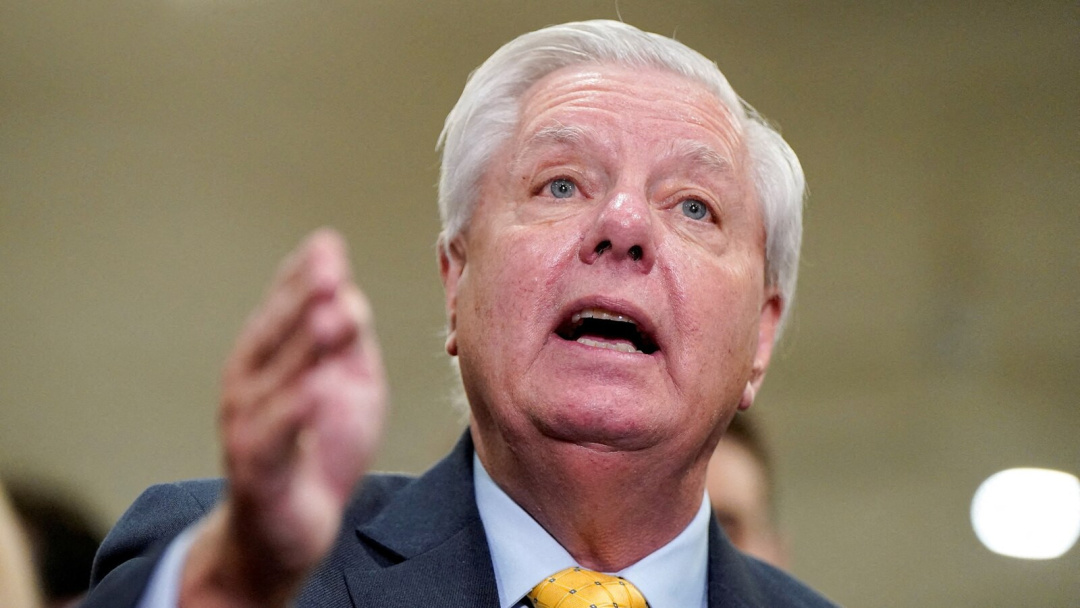
In a shocking turn of events, the untimely demise of Senator Lindsey Graham has sent shockwaves through the political landscape, triggering an unprecedented outpouring of bipartisan condolences that many observers are dubbing the "Graham Effect." Politicians who previously engaged in fierce battles have suddenly transformed into emotional allies, united in their mourning for a man whom they often disagreed with, yet apparently loved deeply.
It seems that in the wake of Graham's passing, even the most hardened political opponents are now swapping their usual jabs for heartfelt tributes. President Biden, who once found himself at odds with Graham on nearly every major issue, expressed shock and sadness, revealing a surprising fondness for the man he often sparred with over policy. "We disagreed often, and sometimes loudly," Biden remarked, as he deftly dodged the irony of being one of Graham's fiercest critics during his lifetime.
Still Beats Watergate:
Sponsor success. Continue reading:
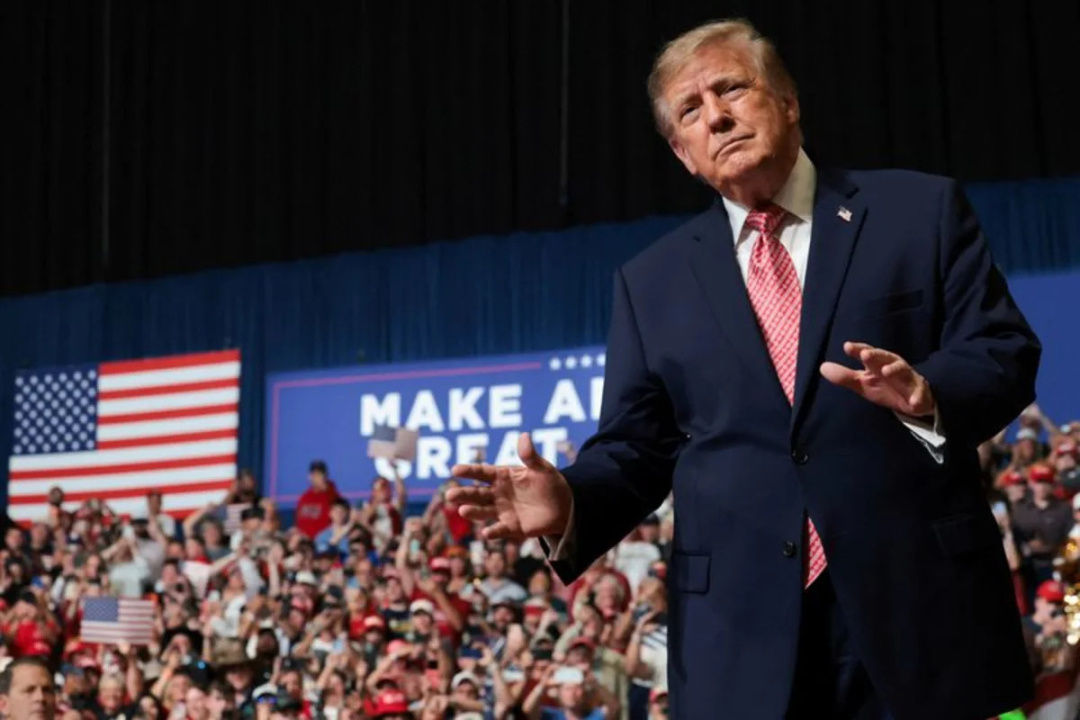
Meanwhile, former President Trump, perhaps sensing an opportunity to expand his fan base, proclaimed Graham as "one of the greatest people and Senators I have ever known!" This declaration has led many political analysts to wonder whether Trump’s affection for Graham was genuine, or merely a strategic maneuver to pad his image as a compassionate leader. After all, nothing says "I care" quite like ordering all American flags to half-staff for a fellow politician, right?
As the nation collectively grieves, pundits speculate whether this newfound camaraderie will last. Political scientists are hard at work studying the phenomenon, and some have already labeled it "The Great Bipartisan Mourning of 2026." They argue that if politicians can set aside their differences long enough to mourn a colleague, perhaps there is hope for a more unified government. Or, at the very least, a temporary truce in their relentless pursuit of power.
Even foreign leaders have joined the chorus, with Zelenskyy hailing Graham as a "true defender of freedom," an endorsement that some feel might be more about Graham's recent trips to Ukraine than any lasting legacy he left behind. The Israeli Prime Minister weighed in as well, calling Graham a "beloved friend," which raises the question: how many friends can one man have when he spent decades navigating the treacherous waters of American politics?
As tributes continue to pour in, one must ponder the implications of this sudden wave of affection. Could this be the catalyst for a new era where politicians genuinely work together for the common good? Or will it simply fade into the background, like so many other fleeting moments of political unity?
In the end, one cannot help but wonder if Graham’s legacy will be one of true bipartisanship or merely an emotional blip on the radar of political history. For now, however, let us enjoy the spectacle of a Congress that momentarily embraces the virtues of love, loss, and mutual respect, even if it is just until the next contentious debate over healthcare or infrastructure arises.
As the flags fly at half-staff and the tears flow, it appears that the only thing more powerful than the political divide is the death of a senator. We can only hope that this moment of reflection will lead to something more than just a temporary bout of niceness, because if Graham taught us anything, it’s that politics, like life, is often both tragic and absurd.