NATO Ambassador Proclaims 90 Bombs a New Form of Peacekeeping
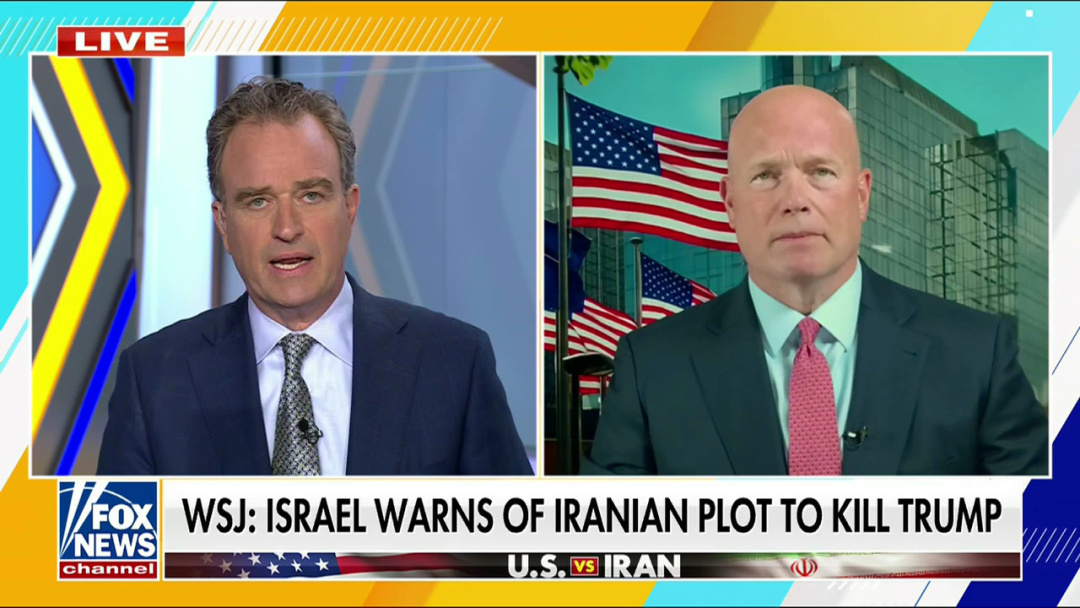
In an unprecedented twist on traditional diplomacy, the NATO Ambassador has declared that launching 90 bombs on Iran constitutes a novel approach to achieving 'Peace Through Strength.' This revolutionary strategy is poised to replace the old adage 'talking it out' with a more hands-on method: talking it out with a side of shrapnel and firepower.
The ambassador's remarks come at a time when the geopolitical landscape resembles a high-stakes game of Jenga, where one wrong move could send everything crashing down. In this context, the NATO spokesperson emphasized that the real power of negotiation lies not in words, but in the sheer volume of ordnance one can deploy. After all, why settle for polite diplomacy when you can assert your influence with a barrage of bombs?
Still Beats Watergate:
Sponsor success. Continue reading:
Critics may argue that this approach lacks nuance, preferring instead the traditional methods of negotiation and dialogue. However, proponents of this new strategy insist that the sound of explosions is the universal language of peace. "We are not just dropping bombs; we are dropping the notion that diplomacy must be delicate and respectful," stated a spokesperson who declined to be named, presumably for fear of being caught in the crossfire of logic.
This policy shift aims to bolster NATO's image as a peacemaker, albeit one with a very loud and destructive voice. The ambassador reassured the public that each bomb represents not just an act of aggression but a token of goodwill. "Every missile launched will be followed by an invitation to discuss the terms of our friendship. We believe that nothing says 'we care' quite like a well-placed airstrike."
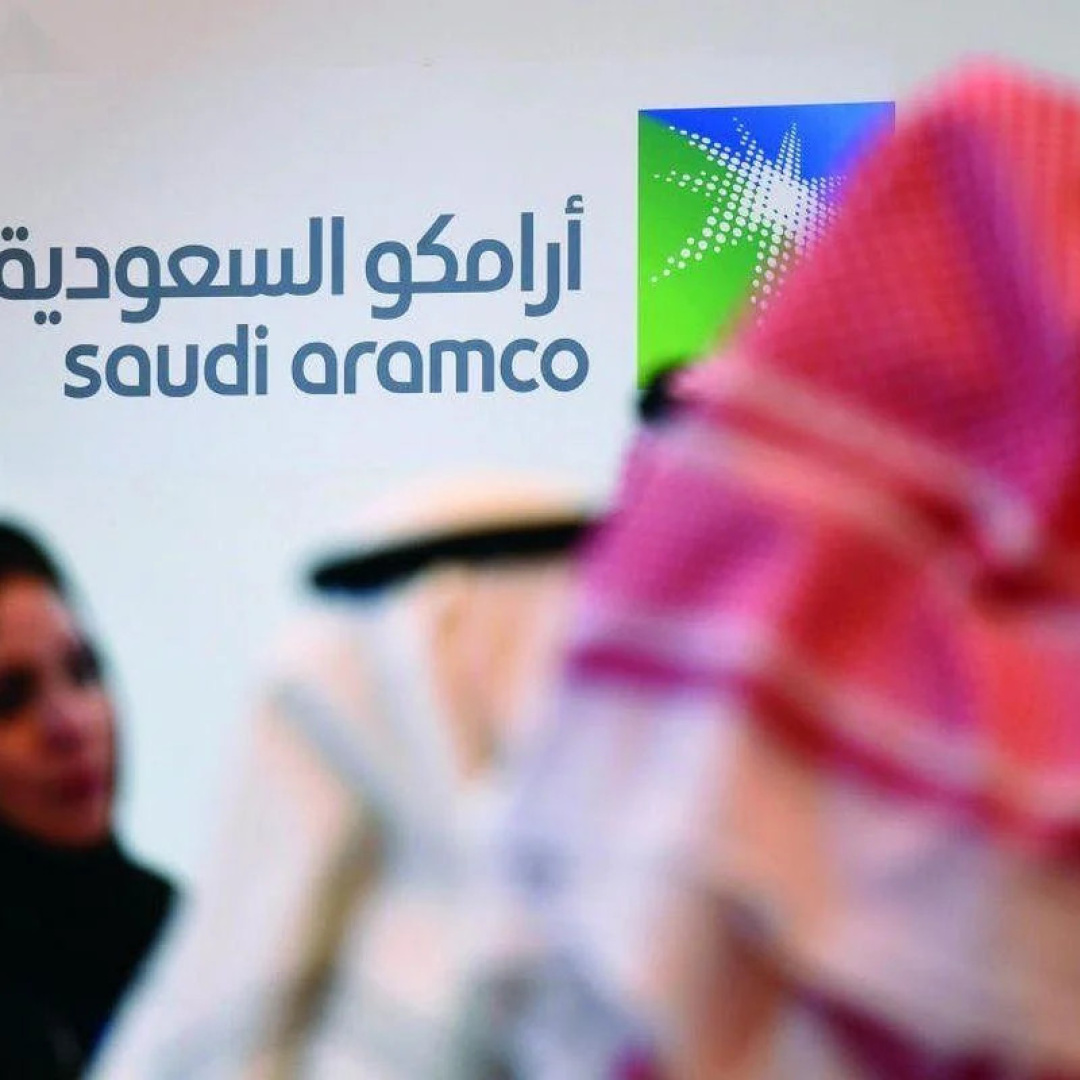
Moreover, with rising oil prices following the recent diplomatic tensions, the strategy could serve a dual purpose: solidifying military presence and ensuring that the U.S. oil industry remains ever prosperous. After all, nothing fuels a country’s economy quite like the prospect of war. In this regard, the ambassador is not just an envoy of peace but a strategic planner for the future of American oil interests.
As the world watches this new chapter in international relations unfold, experts remain divided on whether this approach will lead to lasting peace or simply a new cycle of conflict. Regardless, one thing is clear: in the theater of global politics, the NATO Ambassador has taken center stage, armed with a script that calls for dramatic flair and explosive action. As audiences await the next act, one can only hope that the finale doesn’t involve too many fiery explosions.
In the meantime, the world can rest easy knowing that when it comes to peacekeeping, the NATO Ambassador has a plan—and it’s loud, obnoxious, and certainly not subtle. If nothing else, it’s sure to make for an unforgettable performance in the ongoing drama of global diplomacy.