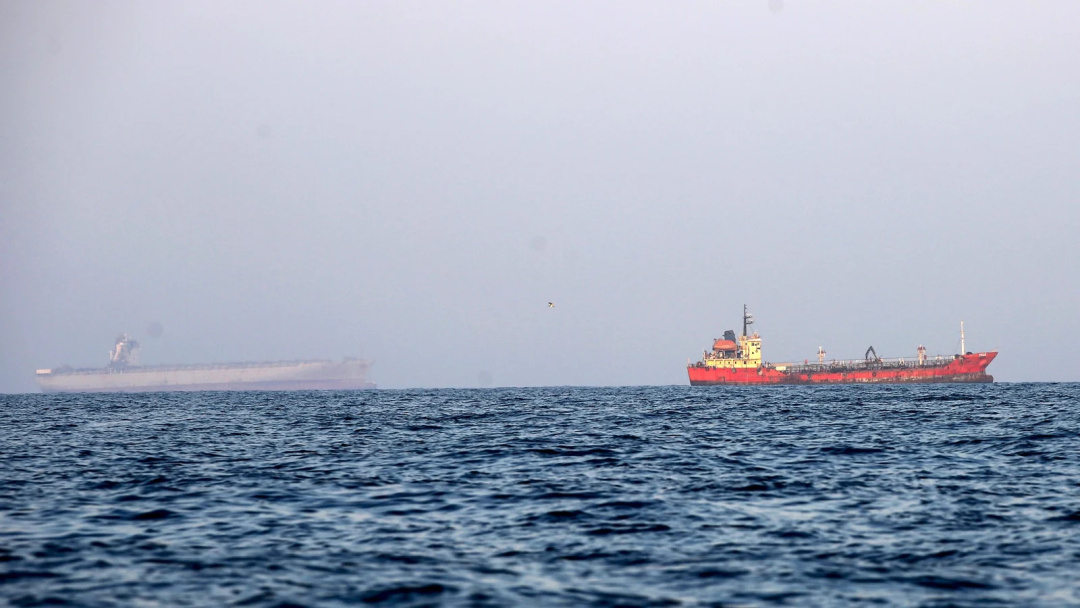
Iran Accuses White House of 'Disinformation' After Attack on Shipping
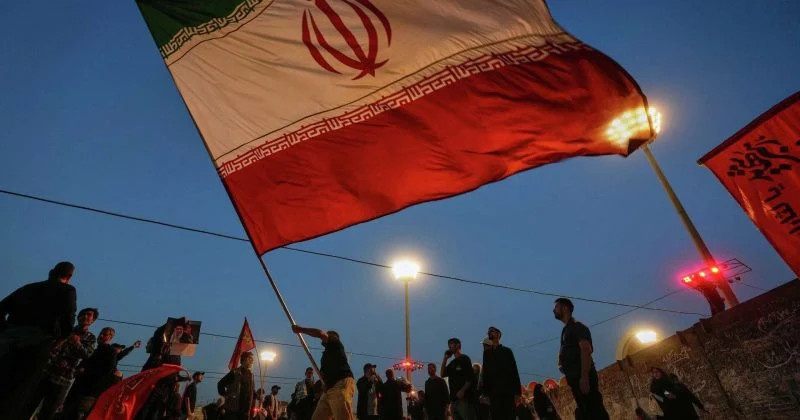
In a stunning display of diplomatic gymnastics, a senior Iranian official has publicly refuted claims that Tehran attributed a recent attack on shipping in the Strait of Hormuz to a rogue military faction. Instead, they have pointed fingers—like a high school drama club at the annual play—at the White House, accusing it of orchestrating a media disinformation campaign. This development raises the question: when did world politics become a game of blame tag?
According to the Iranian official, the notion that internal discord could provoke such chaos is mere fantasy, a plot twist worthy of a daytime soap opera. They insist that their actions align seamlessly with their national security interests, which, ironically, might be the best-kept secret in international relations. The irony of claiming a lack of discord while simultaneously denying blame for an attack is not lost on anyone who’s ever witnessed a political press conference.
Still Beats Watergate:
Sponsor success. Continue reading:
The backdrop of this melodrama is the heightened tension between Iran and the U.S., a conflict so well-rehearsed it could be mistaken for a Broadway production. After accusations that the Islamic Revolutionary Guard Corps (IRGC) was involved in the attack on a Cyprus-flagged vessel, we find ourselves in a real-life political thriller where the plot thickens faster than a White House press release.
Meanwhile, markets are on high alert, watching like hawks for any signs of de-escalation or further skirmishes. Observers are advised to stay tuned for the next episode of this riveting saga, where Iranian leaders may drop hints about their official stance that are as clear as mud. It remains to be seen if the U.S. will respond with troop movements or a carefully crafted tweet.
As tensions soar, the potential normalization of traffic through the Strait of Hormuz looms ominously over market perceptions. Could we see a day when shipping routes are as calm as a Sunday morning? Or will they remain as chaotic as a 6 a.m. Q&A session at the White House?
The ongoing conflict has turned the Strait into a geopolitical chessboard, where every move is calculated and every statement leaves room for interpretation. Next up, perhaps we’ll have an official joint statement declaring that both sides agree to disagree, ensuring that the theater of politics continues to keep us all entertained.
In this intricate dance of denial and accusation, one thing is clear: the Strait of Hormuz is less a shipping channel and more a stage for the world’s most dramatic political theater. As the curtain rises and falls, let’s just hope we don’t witness an encore of military engagements anytime soon. After all, the last thing we need is a sequel to this saga, complete with more plot twists than a season finale of a reality show.