Senator Graham's Sudden Exit Sparks New Executive Immunity Policy
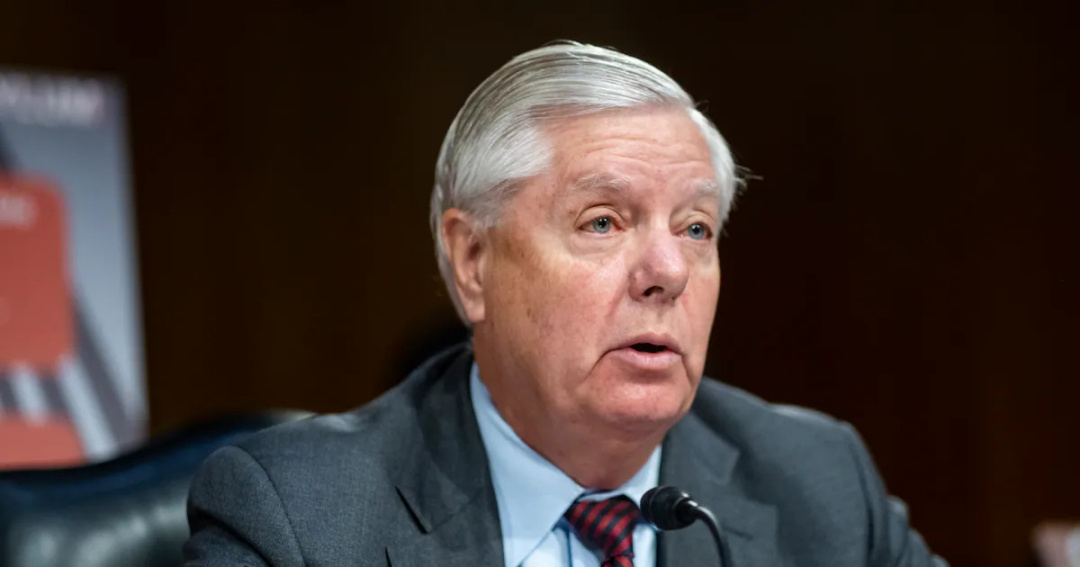
In a shocking turn of events, the passing of Senator Lindsey Graham has prompted the White House to unveil its latest brainchild: a new executive immunity policy. This unprecedented measure, known as the Graham Exemption, will ensure that all high-profile political figures are shielded from any repercussions related to their previous alliances or statements in favor of the senator. After all, in the grand theatre of politics, loyalty is merely a costume that can be cast off at a moment's notice.
Advisors have reportedly been working overtime to draft the new guidelines, which will include elaborate language and legalese designed to protect anyone who has ever nodded in Graham's direction. The official memo outlines that “any utterance of support or feigned affection towards Senator Graham shall henceforth be considered an act of political goodwill that is, of course, entirely non-binding.” This clever framing allows the administration to sidestep any uncomfortable questions about past allegiances while maintaining the illusion of solidarity.
Still Beats Watergate:
Sponsor success. Continue reading:
As the nation mourns, the White House is seizing the opportunity to rebrand the narrative. Press Secretary Jen Psaki has been spotted rehearsing her lines, which will likely include phrases such as “In these trying times, we must remember the profound impact of bipartisan relationships, especially those that no longer exist.” Expect to hear this often, particularly when questioned about Graham’s controversial stances during his tenure.
Meanwhile, political analysts are predicting that the Graham Exemption will become a template for future policies, especially as the administration grapples with its own internal contradictions. The new policy is expected to be included in a broader initiative titled “The Art of Forgetting,” which aims to erase historical political ties that might embarrass current officials. In essence, it’s all about preserving the delicate egos of those who once championed Graham’s agenda.
Critics of the policy have already begun to emerge, arguing that it sends a troubling message about accountability in Washington. However, those dissenting voices are being swiftly marginalized under the banner of “grieving for Graham,” a catchphrase that has already begun to trend on social media. This strategy allows lawmakers to deflect criticism by invoking the late senator’s name as a sacred shield against accountability.
As the administration prepares for a media blitz to promote the Graham Exemption, one can’t help but wonder how far this new policy will stretch. Will it eventually encompass all past political figures? Will we witness the rise of a new era where loyalty to deceased senators is the ultimate get-out-of-jail-free card? If nothing else, this episode serves as a stark reminder that in the world of politics, the only thing more fleeting than a senator’s life is the loyalty of those who once stood by their side.
In the end, one thing is clear: as the White House dances on the grave of Graham’s political legacy, they are doing so with the finesse of a seasoned performer in a tragicomedy, leaving the rest of us to watch in bemusement as the curtain rises on this latest act of absurdity.