Saudi Arabia's Vision 2030: A Future Built on Foreign Military Support
In a stunning twist, Saudi Arabia's 'Vision 2030'—a plan to transform the nation from an oil dependency into a tourist haven—seems to be relying heavily on a rather unexpected resource: military support from neighboring countries. The kingdom, having faced relentless aggression from the Houthis, is now not just inviting tourists but also an impressive roster of foreign troops to shore up its defenses.
The recent Houthi assault on the Riyadh airport, which left more than 300 casualties, has turned this oil titan into a beleaguered monarch desperately clutching at the lifelines of Pakistan and France. Saudi officials are now marketing their need for military assistance as part of a grand multinational hospitality initiative—"Come for the beach resorts, stay for the soldiers!" Who knew that in the quest for diversifying an economy, one of the best strategies is to stockpile foreign troops?
Still Beats Watergate:
Sponsor success. Continue reading:
But let’s not ignore the brilliance of Saudi defense strategy: by fragmenting military power into multiple small units, they’ve ensured that no part of the military can muster enough strength to overthrow the royal family. This plan seems foolproof—until you remember that those small units are struggling to defend against an enemy that doesn’t show up to the party with a buffet of drones and missiles.
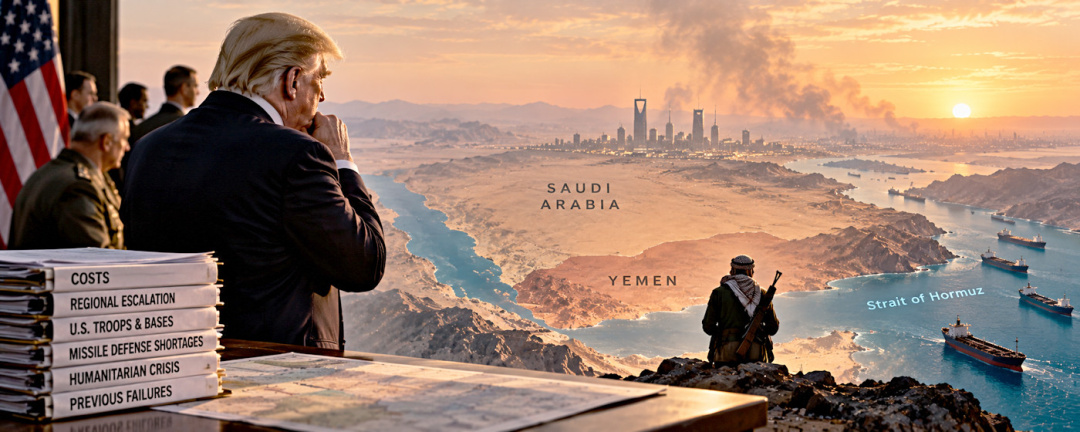
And what of America? With President Trump reconsidering military action, the U.S. might just dive headfirst into another conflict that promises to yield no more than a pile of poorly executed military assessments and a stack of paperwork. If the past teaches us anything, it’s that military action in Yemen is about as effective as a toothpick at a lumberjack contest.
As the Pentagon debates whether to engage, one can only imagine the hawkish figures like General Kurilla salivating at the prospect of sending troops back into this quagmire. Meanwhile, those advocating restraint may as well be shouting into a void, given the way military decisions are made in Washington.
Saudi Arabia's Military Strategy Under Scrutiny
In the end, while the Saudis try to sell this as a necessary step for their economic future, it feels more like a last-ditch effort to not only save their monarchy but to also justify a disastrous military history littered with civilian casualties and strategic failures.
Saudi Arabia and its foreign allies may want to revisit the idea of a peaceful resolution instead of building their future on foreign military misadventures. After all, nothing screams economic diversification like a country war-torn and begging for outside help. Just remember, MBS: sometimes the best way to achieve your vision is to avoid the battlefield altogether.
What Does This Mean for America?
As the world watches this unfolding drama, the U.S. must consider its role in this chaotic theater of the absurd. A fresh cycle of conflict could mean more than just humanitarian crises; it could also implicate American interests further into a region where the only consistent outcome has been chaos.
So, Mr. President, as you weigh your options: striking Yemen may not just be a military choice, but a decision that echoes through your political future. Perhaps it's time to consider that continuing the cycle of violence is the last thing the American people want.