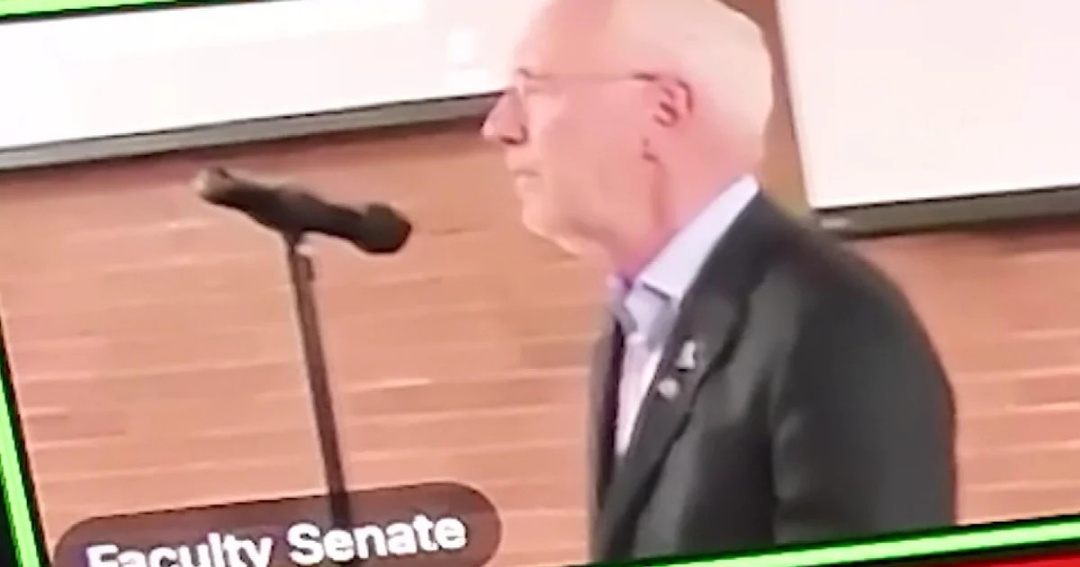
Cornell Faculty Vote on No-Confidence with Silent Support from Jane Doe

In a gripping episode of campus theatrics, Cornell University's Faculty Senate is preparing to weigh a no-confidence vote against President Michael Kotlikoff, while the mysterious voice of Jane Doe remains curiously absent from the proceedings. Apparently, the administration decided that a letter from Doe, which detailed her feelings of being "unsupported" and "disbelieved," would be more effective as an off-the-record whisper than a formal document shared with the faculty. Because who needs to actually hear from the person at the center of controversy when you can just debate in a vacuum?
Chancellor Kotlikoff's administration seems to have taken the initiative of ensuring that the Faculty Senate's discussions remain as uninformed as possible. A faculty member, quite rightly, remarked that the failure to share Doe's letter amounts to an alarming "silencing of Jane Doe's voice." Ironically, the only thing being silenced here seems to be the logic of keeping faculty members informed about significant issues affecting the community. Apparently, the administration believes that knowledge is power, but only if it’s tightly controlled and drip-fed to those in charge.
Still Beats Watergate:
Sponsor success. Continue reading:
The plot thickens as the letter’s contents claim that Kotlikoff questioned why Doe hadn’t reported her alleged gang rape sooner. The irony, however, is that while the president was allegedly pondering the timeline of reports, one might wonder why the administration hasn’t faced similar scrutiny for its timeline of transparency. Is it really that difficult to share a letter that could potentially influence the perception of an administration under fire?
Meanwhile, faculty members are left scratching their heads, wondering if they could vote on a no-confidence motion in Kotlikoff without hearing from the very individual who feels let down by him. It’s as if they were preparing to roast a turkey without knowing if it was actually thawed out—quite the culinary risk for a faculty deliberation!
The university's response to this is almost comical, with spokespeople claiming that the letter was sent for verification before being shared with an independent review. Is this the new standard for transparency? Because if transparency means keeping everyone in the dark until the last possible moment, then perhaps it’s time to re-evaluate the vocabulary of communications at Cornell.
Voices Lost in Administrative Silence
As the Faculty Senate prepares for its meeting, one would think that ensuring all voices are heard—especially those from individuals alleging serious misconduct—would be a priority. But in a setting where silence seems to reign supreme, one has to wonder if any decisions made will be anything more than an echo of the administration's carefully curated narrative. If only Jane Doe's voice could ring clear over the din of bureaucracy, perhaps the Faculty Senate might finally grasp the full picture before casting their votes.
At the end of the day, it appears that the only thing on the agenda is a vote of no-confidence without the confidence to address the very issues at hand. Without a clear endorsement from Doe herself, who will actually be left standing to hold Kotlikoff accountable?
Your Takeaway
As the drama unfolds, it’s almost poetic how Cornell's administration appears to be staging a grand performance of accountability while simultaneously pulling the plug on the very voices that could enrich the debate. The unforeseen consequences of this selective sharing seem poised to reveal a deeper irony: that in their quest for streamlined communication, the administration has effectively silenced a key player in this entire saga. It’s the perfect metaphor for how paperwork can muffle truth while a simple letter could have sparked a genuine dialogue. Will the Faculty Senate manage to navigate this tangled web of misinformation, or will they simply dance around the issue?
At the end of this theatrical stage play that is the Cornell Faculty Senate, we are left wondering: when it comes to accountability, how often do we hear the voices that truly matter? With Kotlikoff absent from the upcoming vote and Jane Doe's sentiments relegated to the shadows, one can't help but feel a sense of déjà vu in the halls of academia, where transparency often fades into the background noise of bureaucracy. It seems that in the world of institutional governance, the silence can indeed be deafening, and the questions echo long after the curtain falls.