Trump's Oil Deal: A Masterclass in Secrecy and Grease
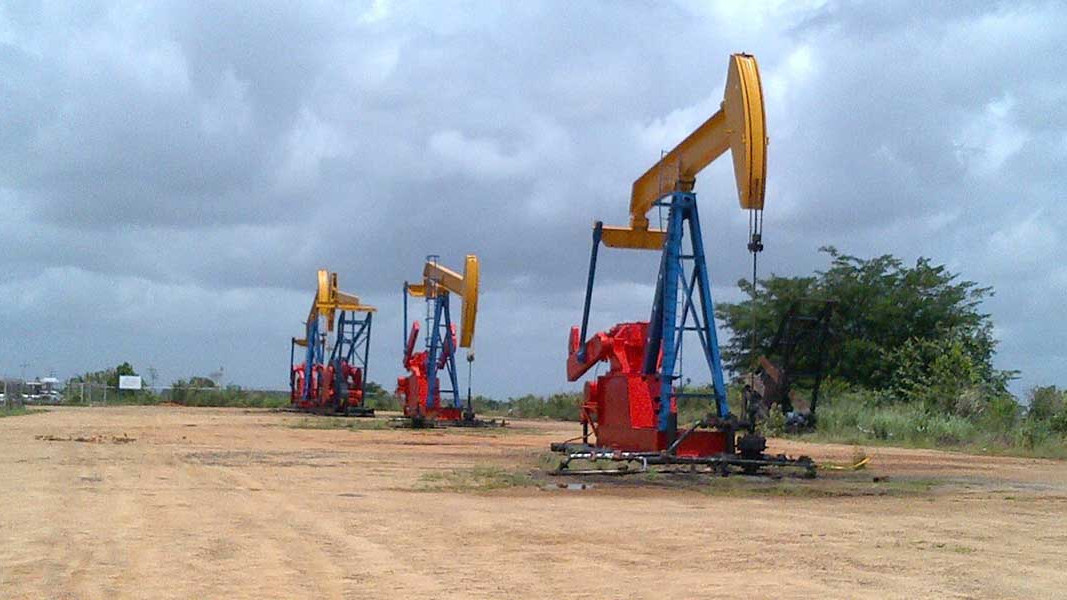
In a bold move that could only be described as a high-stakes game of poker played under a dimly lit table, President Trump has rolled out what he claims is the "biggest oil deal in world history." The only catch? No one seems to know what’s actually in the deal, not even the constituents who are supposed to benefit from it. ProPublica has unearthed a hidden 18-page agreement that shows the U.S. will get cozy with an enigmatic Venezuelan oligarch, Alejandro Betancourt, who is known for his impressive collection of money-laundering investigations—perfect qualifications for a partnership, if you ask the administration.
This strategic partnership is essentially a Pandora’s box of dubious deals, crafted to ensure U.S. interests at every possible turn while leaving the Venezuelan government and its citizens scratching their heads—wondering where they fit into this grand scheme. The document indicates that Betancourt will remain firmly in control, with the U.S. taking a 35% stake in his company, North American Blue Energy Partners (NABEP). Meanwhile, the Venezuelan government’s role is largely absent, like an understudy in a play that never opens.
Still Beats Watergate:
Sponsor success. Continue reading:
Notably, the agreement claims to provide economic benefits to Venezuela while conveniently omitting any obligation for Betancourt's company to actually pay the expected $200 billion in royalties. It’s as if the deal is more interested in securing a low-cost oil supply for the U.S. than ensuring any trickle-down benefits for the Venezuelan people. After all, who needs public accountability when you have back-door agreements and a laundry list of undisclosed shareholders?
The Politics of Secrecy: Keeping It Under Wraps
As the saying goes, "What happens in the boardroom stays in the boardroom," and this deal is no exception. The agreement is marked as a "sensitive" government document, a label that easily doubles as a get-out-of-jail-free card for avoiding scrutiny. Betancourt, who will be the chief executive, is the only named board member, ensuring that the real decision-makers remain in the shadows, far away from prying eyes and congressional inquiries.
With the overarching goal of securing America’s energy dominance, Trump’s administration has promised that this deal could stabilize the Venezuelan economy, which sounds great on paper. But the reality is that the U.S. is not only prioritizing its own interests but also sidestepping any adherence to Venezuelan laws regarding oil concessions. Talk about a classic power play!
As the world waits to see how this unorthodox alliance unfolds, one thing is clear: the public would be wise to keep a keen eye on this partnership. After all, when the primary players are shrouded in secrecy and the rules of engagement are anything but transparent, it raises more than a few eyebrows. In the end, we might be left asking the most critical question of all: who’s really winning here?
What’s Next for Oil and Oligarchs?
In the grand finale of this geopolitical circus, the deal promises a bright future for Betancourt while the American public is left wondering what they actually signed up for. Will this venture yield the promised oil bounty, or are we simply fueling the coffers of a select few? As discussions of congressional oversight begin, the only certainty is that the complex web of interests at play will likely continue to obfuscate the truth. One thing is for sure: the next chapter in this saga is bound to be as murky as the oil itself, and as entrancing as the spectacle of a reality show starring the world’s most notorious energy barons.
Stay tuned, America, because in the world of oil and oligarchs, the plot is only thickening.