Supreme Court Declares Open Season on Election Influence
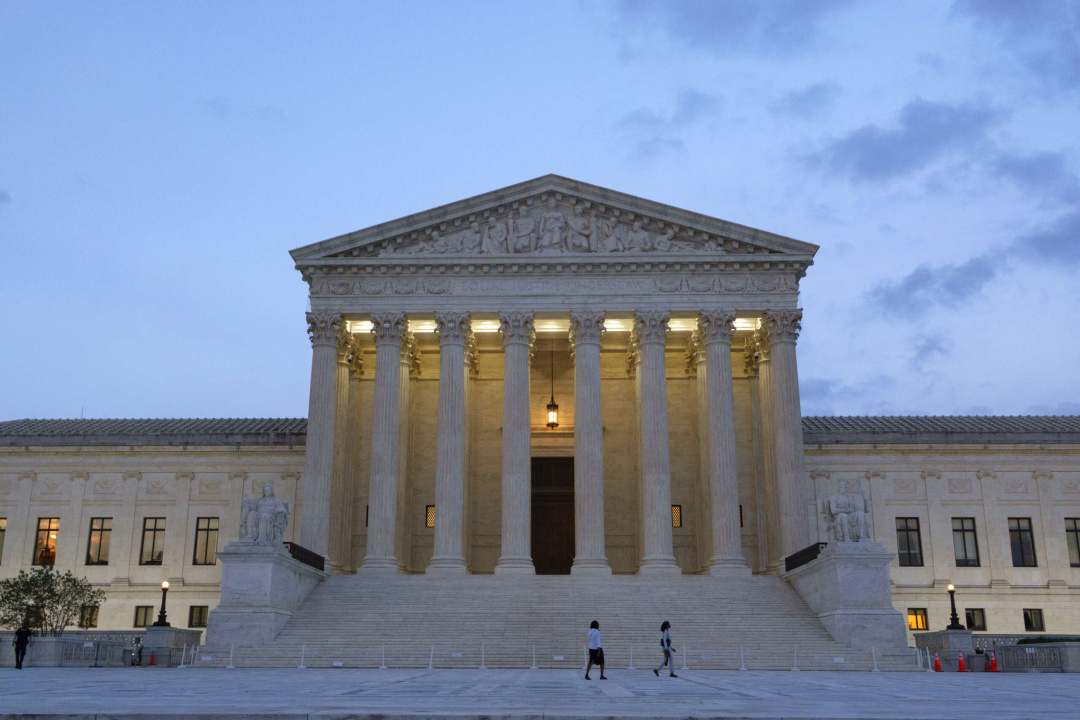
In a groundbreaking legal maneuver that could only be described as a bureaucratic ballet, the Supreme Court has decided that decades-old limits on how much political parties can spend in coordination with candidates are so last season. In an official statement that could only be rivaled by a corporate sponsorship announcement, the Court has opened the floodgates for campaign donors, declaring it officially open season on election influence.
Sources within the Court have hinted that this decision is part of a larger strategy to streamline the electoral process. After all, why should elections be limited by the petty constraints of democracy when the real power lies in the wallets of a select few? The ruling positions joint fundraising committees as the new Olympic athletes of political finance, ready to sprint into the fundraising arena with a budget that rivals the GDP of small nations.
Still Beats Watergate:
Sponsor success. Continue reading:
In the spirit of transparency, the Court has made it clear that it has no intention of looking back at the consequences of its actions. Instead, the justices have emphasized the importance of "freedom of speech," which, as we all know, has historically meant the ability to speak loudly with dollar signs. With this ruling, they’ve elevated the concept of political speech to a level where a well-placed donation can now be considered a robust commentary on the public interest.
This judicial decision comes at a time when campaign finance reform advocates have been dusting off their old talking points, only to find them replaced by a new mantra: "If you can’t beat ‘em, buy ‘em." It seems that the traditional elements of campaigning, like grassroots efforts and public engagement, are best left to the dusty archives while the high rollers take center stage.
The ramifications are clear. We can expect a deluge of ads, a cacophony of messaging, and perhaps a few more headlines about candidates who are inexplicably connected to large corporations. After all, when your campaign is funded by a conglomerate with interests in everything from oil drilling to puppy grooming, it’s only natural that your policy positions might start to reflect those interests.
In an unprecedented twist of irony, the Court has effectively empowered political parties to function as glorified fundraising machines, where the only qualification for leadership is a firm handshake and a larger-than-life bank account. As political strategists scramble to rewrite their playbooks, one thing is clear: the next election cycle is going to be a fascinating spectacle of money in motion.
So, grab your popcorn, folks! The Supreme Court just handed the keys to the electoral kingdom over to the highest bidder, and it promises to be a wild ride. Who needs democracy when you have joint fundraising committees?