Court Extends Activists' Custody, Claims Breach of Peace with Daring Confidence
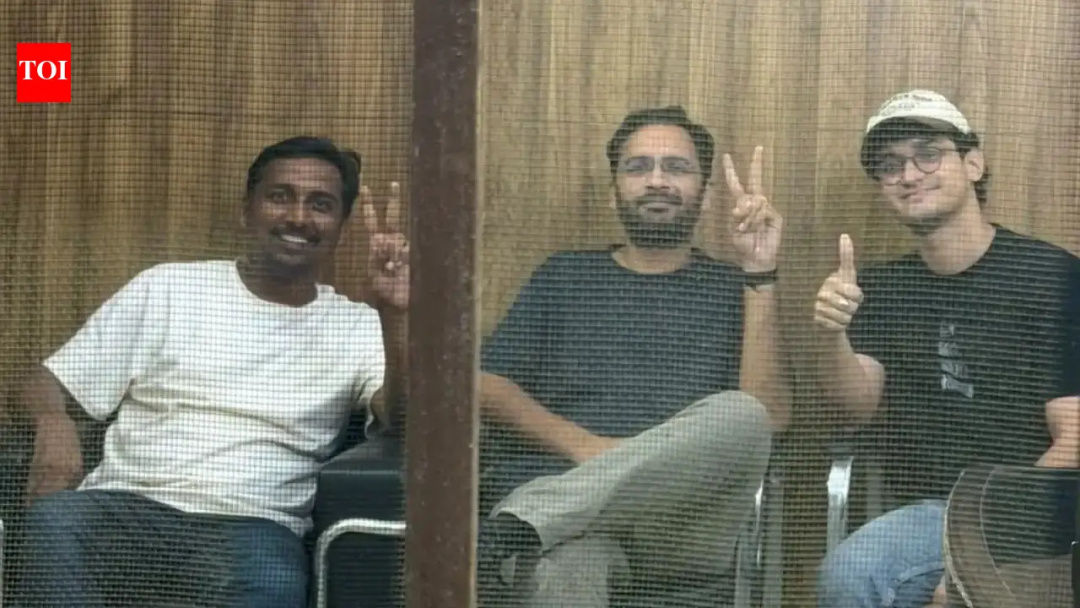
In a bold statement of judicial priorities, a special executive magistrate (SEM) recently decided that the best way to maintain public order was to extend the custody of Saurav Das and Ashutosh Ranka of the Cockroach Janta Party (CJP) for another two days. The SEM, demonstrating a commitment to judicial theatrics, cited the duo's "deliberate" breach of bonds as a key consideration, rendering the assurance that they wouldn't repeat their alleged crimes "not inspiring enough." Apparently, mere confidence in one's ability to behave is no longer a valid excuse in today's courtrooms.
The court observed that these activists had a particularly worrisome habit of calling protests in areas deemed "de-notified," as if they were behind some sort of clandestine operation with a flair for the dramatic. How dare they think they could express dissent without the magistrate's stamp of approval! The new magistrate, Ritu Raj, apparently felt that their previous assurances were less a promise and more a nonchalant shrug at the law.
Still Beats Watergate:
Sponsor success. Continue reading:
But what truly caught the magistrate's attention was the mismatched photo on one of the sureties' bonds. Yes, you heard that right—nothing says a breach of peace like an unflattering image comparison! The court's decision to keep the activists in custody hinged on this profound revelation, leading many to wonder if the next wave of judicial reforms would include a mandatory selfie for every bond submitted.
The police, meanwhile, are convinced that this is a matter of great public safety, citing an "imminent threat to public order" stemming from an anonymous WhatsApp message—because nothing says due process like a police force reacting to cryptic texts. They sought additional custody, as if fearing that Das and Ranka might somehow orchestrate an uprising from behind bars, perhaps via interpretive dance or elaborate shadow puppets.
The Court's Reluctance to Release
In a twist of fate that seems scripted for a dramatic courtroom procedural, the duo's lawyer argued that the police were clutching at straws without any real basis for their continued detention. Of course, the lawyers’ reassurances that their clients would not repeat the alleged offense could have inspired confidence—if only the magistrate had believed in the power of second chances. The court, however, was clearly more comfortable with the certainty of extended custody.
As if to add a comedic flair, after the court session, one activist took to social media to proclaim that even locked up and facing legal challenges, they remained unbroken, asserting their right to protest through the sheer power of positivity. Their journey from the IGI Airport detention to this latest ruling is a testament to their spirit—but as for the court's approach, we may need to check our definitions of justice and democracy, lest we find ourselves trapped in a farcical play where logic takes a backseat to performative authority.
A Lesson in Judicial Confidence
Perhaps the next time someone confidently assures the court that they will behave, the magistrate might consider taking a leap of faith—or at least demand a more flattering photograph.
For now, as Saurav and Ashutosh contemplate their next move, the entire process serves as a reminder that in the realm of activism and courtrooms, confidence might just be the most dangerous weapon of all. What will it take for the magistrate to trust that the activists might actually keep their word? Maybe it's time to rethink what constitutes a breach of peace—and if, perhaps, the court is just a little too attached to the dramatic flair of its own proceedings.