Alberta's Separation Vote: A Step Towards Independence or Just a Cry for Attention?
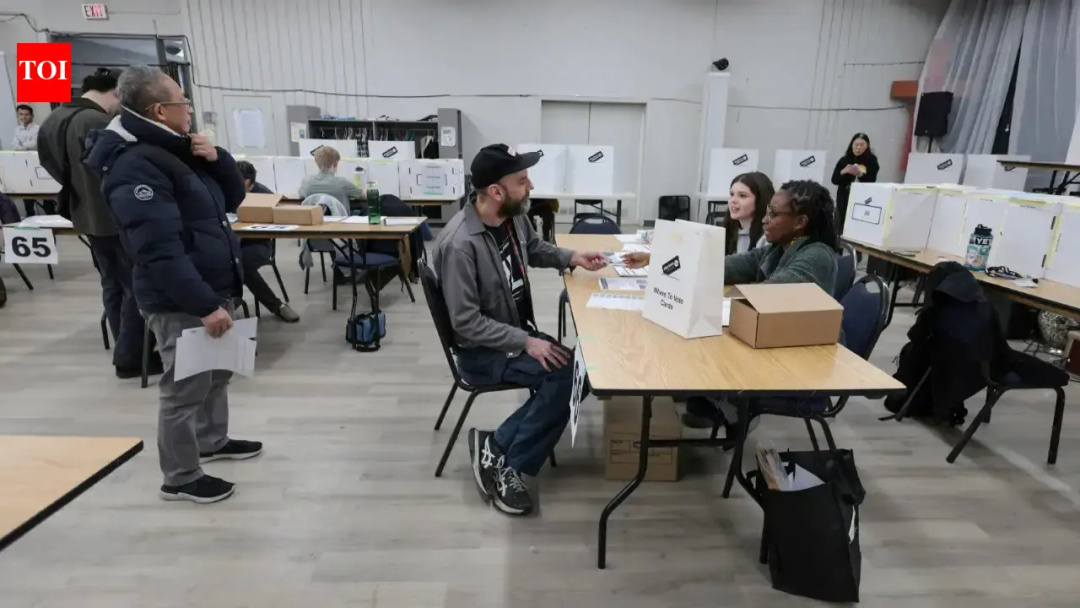
In a bold display of regional discontent, Alberta has decided that the best way to express its feelings toward Canada is through a non-binding referendum. The people of Alberta, known for their oil reserves and penchant for cowboy hats, are set to vote on whether they should begin a lengthy process that could eventually lead to independence. Or, as Albertans like to call it, a glorified reality show that puts their grievances on full display.
The referendum is not directly asking Albertans if they want to secede, because that would be too straightforward. Instead, they’re deciding whether to initiate the legal process for a future binding vote. It’s the government’s way of saying, "Let’s talk about the possibility of talking about it!" Kind of like planning a meeting to plan a meeting.
Still Beats Watergate:
Sponsor success. Continue reading:
Prime Minister Mark Carney, who seems to be spending more time in Alberta than in his office, is rallying for national unity like it’s an Olympic sport. Meanwhile, Premier Danielle Smith is caught in the middle, trying to keep the separatists happy without actually supporting separation. You know, leadership 101: say a lot while committing to nothing!
As the referendum approaches, the atmosphere is electric with anticipation. Voter turnout has been high, not necessarily because people care about the outcome, but because they’re curious to see what elaborate excuses the separatists will come up with next.
For many voters, it’s less about leaving Canada and more about sending a message to Ottawa that they’re tired of being treated like the distant cousin at family gatherings. You know, the one who sits at the kids’ table and is told to be quiet while the adults discuss real issues.
The Challenges of Independence Ahead
However, if Albertans do decide to go for separation, they will face a barrage of logistical nightmares. Questions about currency, border control, and trade relations loom larger than the oil rigs dotting the landscape. Separatist groups might have transition plans, but good luck convincing the world that Alberta can support its own economy without Canada’s backing. It’s a bit like a toddler declaring independence from their parents—adorable in theory, but messy in reality.
As results come in, there’s a palpable tension. Will Alberta revel in its newfound independence, or will they realize that the grass isn't always greener on the other side? One thing is for sure: whether it’s a step towards autonomy or just an elaborate political stunt, Alberta is making sure their voices are heard, even if it's just to announce that they’d like to be left alone during family reunions.
If the majority votes in favor of initiating the independence process, Alberta won’t instantly become its own nation. Instead, it will simply set off a series of legal hoops that would make even the most seasoned bureaucrat dizzy. This would involve a second, binding referendum that could take years to organize, raising the question—if they’re this divided now, how much more chaotic could it get?
Your takeaway
As Alberta wades through this political quagmire, it’s clear that the need for national unity is trumping the desire for independence, at least for now. Most Albertans might just be looking for a way to vent their frustrations, not necessarily to pack their bags and head to the international arena. But hey, you never know—politics can turn on a dime, especially when oil prices are high and tempers are flaring.
So as the ballots are cast, and the counting begins, one thing remains certain: Alberta will continue to be the quirky cousin in Canada’s family saga, whether it’s plotting its great escape or simply crafting a heartfelt letter to Ottawa.