American Scientist Goes to China: New Job Title, Same Old Bureaucratic Headaches
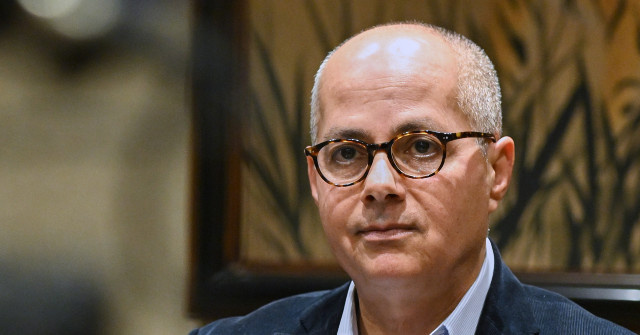
In a move that has left the American scientific community buzzing like a poorly calibrated centrifuge, Nobel Prize-winning chemist Omar Yaghi has decided to pack his bags and head to China, presumably in search of better funding and less bureaucratic red tape. Yaghi, a notable figure in the realm of metal-organic frameworks, will now lead an AI research center at Tsinghua University, where he promises to do science "with more energy, more intensity, and more ambition than ever before." One can only hope he brought a few test tubes and a healthy dose of skepticism with him.
Meanwhile, back in the States, his departure has left his former colleagues scrambling to explain how this sudden shift will not negatively impact their operations. Atoco, the company Yaghi co-founded, insists that he’ll remain "more involved than ever," which is just corporate speak for hoping the Nobel laureate doesn’t forget them while mingling with China’s elite. It’s like saying, "Don’t worry, we’ll still text!" as your best friend moves to another country for a new job.
Still Beats Watergate:
Sponsor success. Continue reading:
Yaghi, who has previously expressed discontent with the funding landscape under the second Trump administration, has now cast his lot with a country known for its lavish investment in science and technology, a stark contrast to the uncertain waters of American research funding. Apparently, when faced with budget cuts and bureaucracy, the solution is to hop on a plane to a place where your groundbreaking ideas can be funded without a ten-page grant application.
It’s hard not to admire the boldness of a scientist who sees a future in AI yet decides to leave the land of opportunity for a country that tightly controls its borders. One might wonder if he’s just hoping to get a better deal on lab supplies or if he’s secretly working on the next generation of super-sponge technology to soak up all the tears shed by American scientists left behind.
As news of Yaghi’s move spreads, pundits argue that this is just the beginning of a talent drain that could rival the Great Emigration of the 19th century. With China rolling out the red carpet for foreign talent—complete with a side of state secrets—American scientists are left to ponder their next steps. Will they follow Yaghi to the East, or will they stay put, hoping for a miracle in the form of a budget increase or a sympathetic grant officer?
In a time where the U.S. is grappling with its own identity crisis, the exodus of brilliant minds like Yaghi only highlights the absurdity of the current funding climate. While the government continues to pour resources into less-than-urgent projects, real pioneers in science are making their way to countries that recognize the value of intellectual capital. One can only imagine the conversations happening in labs across America as scientists discuss whether it’s time to brush up on their Mandarin or simply get comfortable with the idea of conducting research in a place that values innovation over paperwork.
As we await Yaghi's first breakthrough in AI-driven chemistry from his new post, one thing is clear: the scientific community is in for a ride, and if this talent migration continues, the U.S. may soon find itself in a scientific cold war, battling for the best minds while holding onto its budgetary policies like a toddler clinging to their favorite blankie. If that doesn’t scream "bureaucratic comedy of errors," I don’t know what does.