Trump's Campaign Strategy: Blame the Aides, Not the Voter Discontent
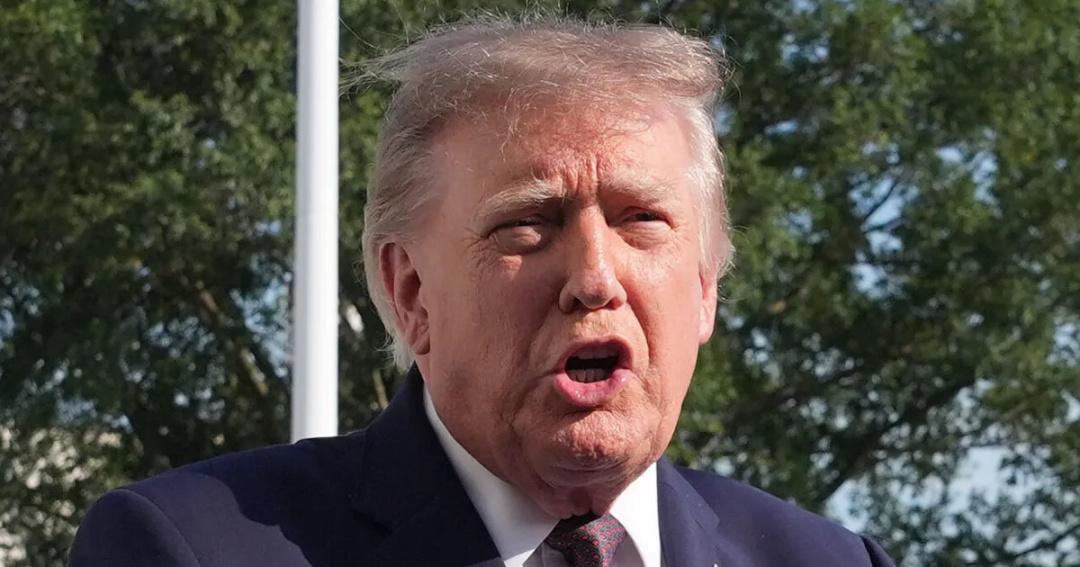
In a stunning display of political theater more convoluted than a reality show reunion special, President Trump is openly blaming senior aides for the Republican Party's floundering midterm strategy. This public display of scapegoating is as familiar as his catchphrases, with Trump questioning everything from campaign spending to candidate choices, all while simultaneously reminding supporters that he is not actually on the ballot. Because when the strategy goes south, there’s no better tactic than to kick your closest allies under the bus.
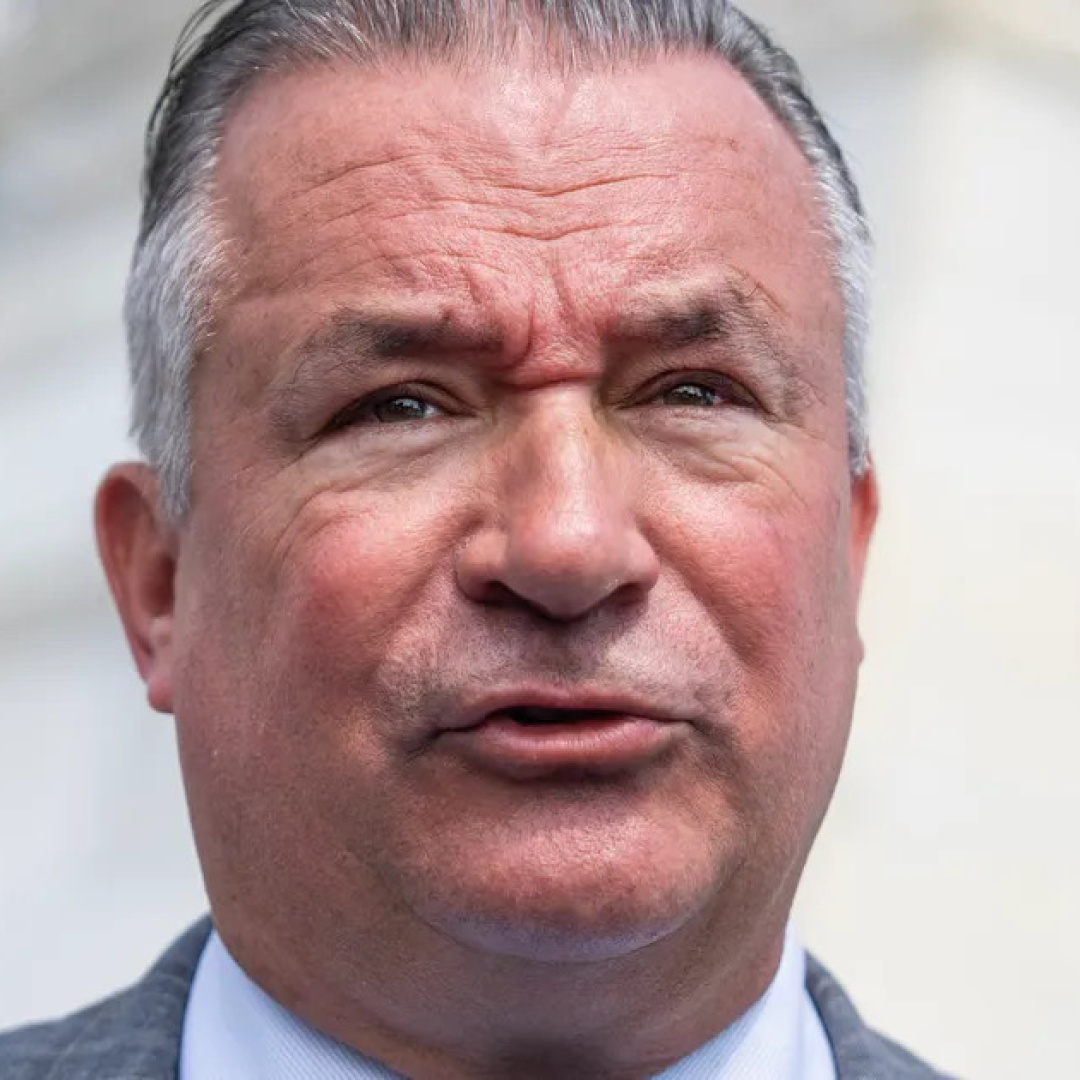
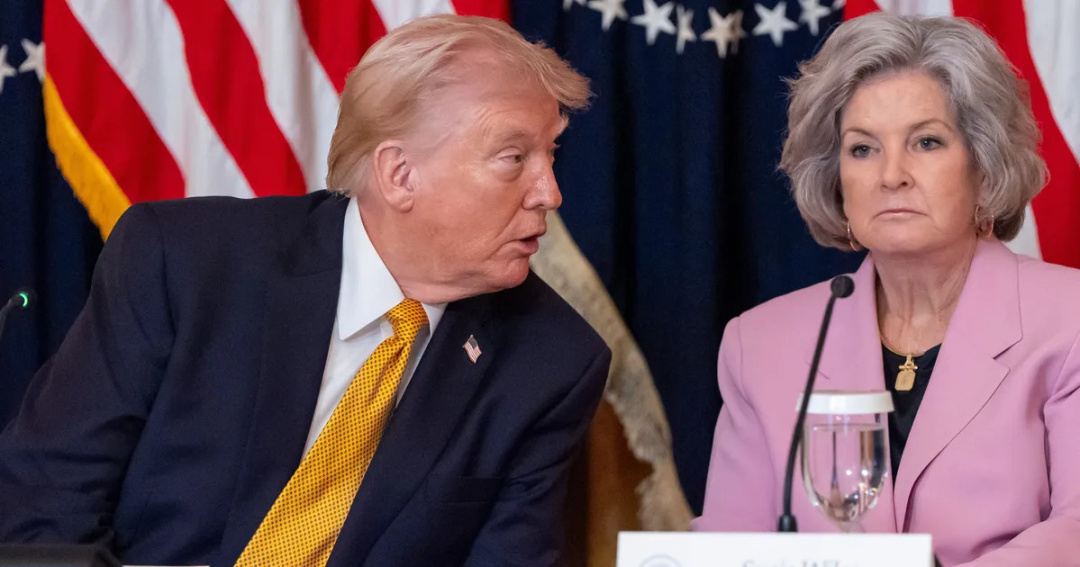
As it turns out, the internal chaos is a spectacle unto itself. Trump’s aides are engaging in a high-stakes game of finger-pointing that makes kindergarten recess look like a board meeting. Chief of Staff Susie Wiles and James Blair, head of Trump's super PAC MAGA Inc., are at the center of this delightful mess. While Wiles has typically been a favorite among the Trump loyalists, she now finds herself dodging blame as if it were a rogue golf ball at the Trump National Course. Meanwhile, Blair is being scrutinized for how he manages campaign funds, which apparently isn’t going so well given the current polling numbers.
Still Beats Watergate:
Sponsor success. Continue reading:
Adding comedic flair to the circus, anonymous sources have described the situation as a "circular firing squad," a phrase that has never sounded more appropriate. It's a strategic wonder how Trump manages to make his administrative team resemble more of a dysfunctional family than a well-oiled political machine. As he blitzes through rallies, attempting to channel voter enthusiasm despite his own plummeting approval ratings, one can only watch as the spectacle unfolds, wondering if he's actually aware of how far off-course the ship has veered.
Yet, amidst this chaos, the former president continues to assure his followers that everything is under control, all while he is actively undermining his own strategy. He insists that Wiles is a "smart" and "tough" leader who will be with him for the long haul, a statement that feels more like wishful thinking than a solid endorsement. In the same breath, he deflects responsibility for the party’s struggles, stating he should receive "all the credit" for any victories while bearing none of the blame for potential losses. This disjunction between self-perception and reality seems to be a hallmark of Trump’s approach to leadership.
Republican Party's Midterm Dilemma
As the midterms approach, the Republican Party finds itself split between a desire to defend its incumbents and the distinct possibility of losing control over the House. Trump’s signature redistricting efforts, touted as brilliant strategic moves, seem to be backfiring as the political landscape shifts beneath them. If the GOP does lose the House, it would shift investigative powers to the Democrats, giving them the capability to scrutinize Trump’s administration more closely than ever—a scenario likely keeping Trump awake at night.
Your takeaway
In a final twist, as he grapples with the fallout from low polling numbers, Trump’s aides are busy looking for scapegoats rather than solutions. With Blair off on consulting trips that could raise eyebrows (and conflicts of interest), it’s questionable how much of the campaign’s direction is left in capable hands. After all, if the captain of the ship is too busy pointing out the leaks, who’s left to steer it towards safe harbor?
The irony here is palpable; Trump’s own initiatives have led to these problems, yet he seeks to shift the blame to those around him. As we watch this political melodrama play out, one thing is clear: the only thing certain in this campaign is uncertainty, and that blame has never been so entertainingly misplaced.