Trump Puts Russia Sanctions on Hold, Citing National Interest and His Gas Budget
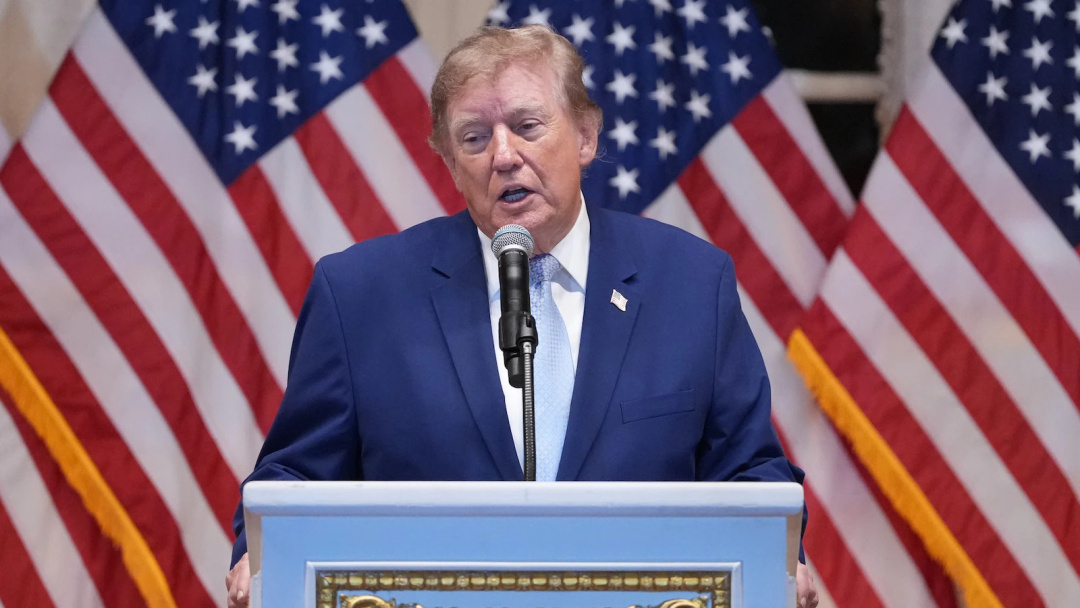
In a move that has left both Congress and the international community scratching their heads, President Trump has officially put a pause on new sanctions targeting the Russian economy, proclaiming that this unusual action is in the United States' national interest. He signed an executive order that many are interpreting as a rebranding of foreign policy to suit his own needs—or, more accurately, his gas budget.
This latest development comes shortly after Trump’s revelation that the U.S. is now in talks to purchase diesel from Russia, a fact that has alarmed supporters of Ukraine and sent bipartisan shivers down the spines of lawmakers who had just passed the sanctions with the late Senator Lindsey Graham’s name attached. It appears that the strategy is to shift from a sanctions-heavy approach to a more laissez-faire model that coincidentally supports his recent diesel negotiations.
Still Beats Watergate:
Sponsor success. Continue reading:
The timing of this decision is almost comical; mere weeks after attaching his signature to a legislation aimed at tightening sanctions, Trump’s sudden change of heart raises eyebrows. Just last month, Congress erupted in bipartisan support for the sanctions, rallying together as they mourned Graham. Now, it seems the only mourning occurring is for any semblance of coherent foreign policy.
As Trump continues to blame Ukrainian President Zelenskyy for the ongoing conflict—insisting that he should have struck a deal with Putin—his government has quietly embraced a more transactional approach to international diplomacy. It’s a strategy that sends an unmistakable message: if you can’t beat them, buy their fuel instead.
The White House, in its typical fashion, has offered little clarification on how this delay in sanctions is actually beneficial for the American people, who are still grappling with rising gas prices. White House officials have been all but silent, leaving many to wonder if they too are now entirely oriented around the president's personal interests instead of national interests.
Some experts argue that by halting these sanctions, Trump is effectively sending a signal to Russia that aggression can indeed have its rewards—especially when the U.S. can be counted on to turn a blind eye when it suits its leader’s needs. For those wishing to understand this peculiar foreign policy shift, just remember: it’s all about keeping the gas flowing.
The Absurdity of Energy Diplomacy
Not surprisingly, this decision has drawn fire from both sides of the aisle. Even members of his own party have expressed concern, suggesting that Russia may feel emboldened to continue its aggressive actions toward Ukraine given the perceived lack of consequences. Critics argue that the president's gas deal could indirectly fund military actions against Ukraine, creating a true paradox where the U.S. is financing both sides of a conflict.
Nevertheless, Trump’s allies stand by him, insisting that this is merely a strategic move intended to stabilize global fuel prices—even as they sit on the precipice of undermining international alliances. As the sanctions are suspended, it raises a larger question about the future of U.S. foreign policy: is it now less about standing firm and more about standing in line at the local gas station?
Despite the uproar, one thing remains clear: as long as Trump is at the helm, the nation’s foreign policy is still very much on hold—much like those sanctions—while the rest of the world wonders what exactly America’s interests truly are. Will next week’s news bring a proposal to buy Russia’s entire oil supply as a means of establishing better relations? Only time will tell, but for now, it seems the only thing that’s certain is the absurdity of this energy diplomacy.
Your takeaway
In a world where policies are often formed under the weight of political theater, it seems Trump’s latest move could be a new act in an ongoing performance. The question is whether the American public will applaud or boo as the curtain rises on this farce of national interest.