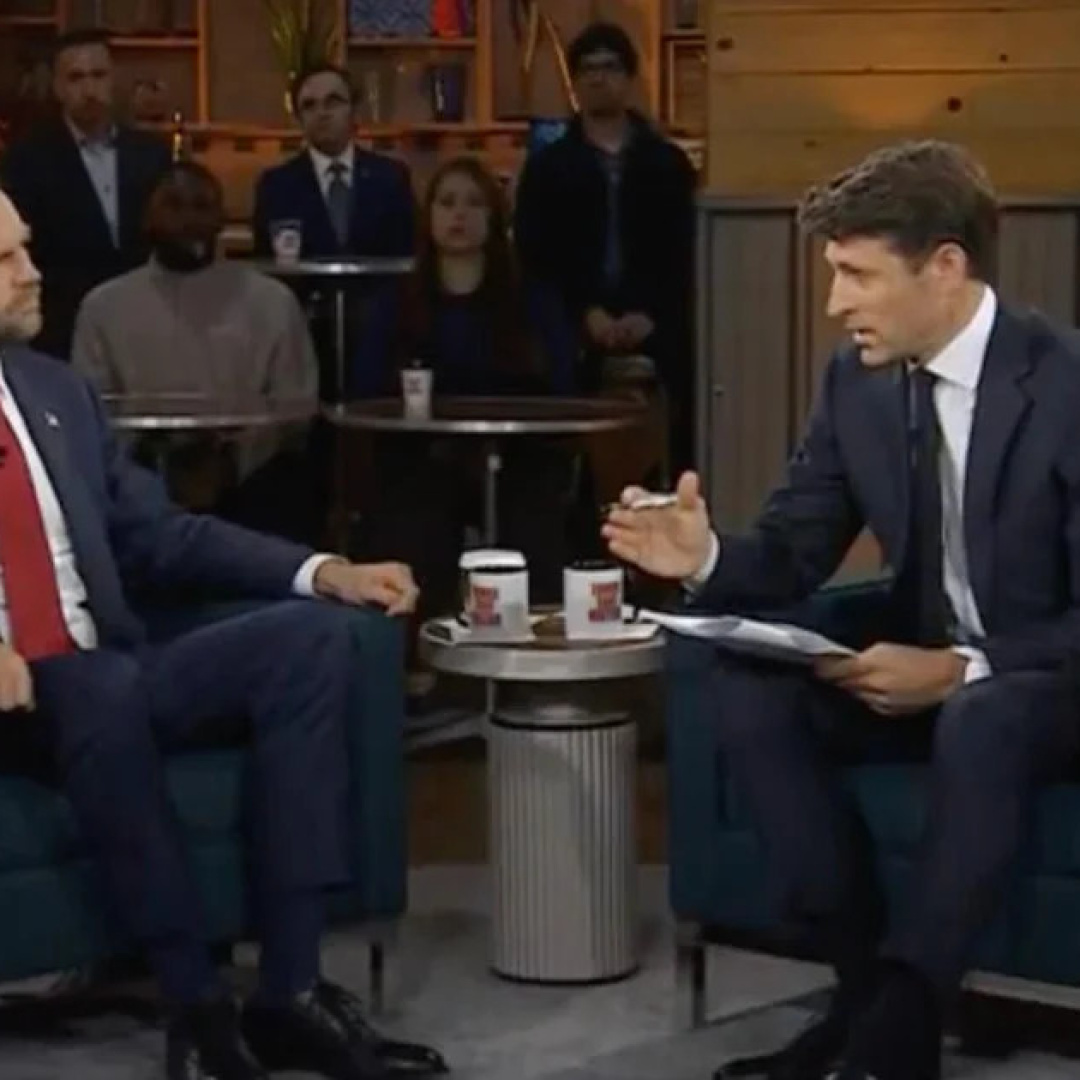
Trump's Campaign Playbook: Decline, Deflect, and Deny

In an effort to recalibrate their image amidst what can only be described as a slow-motion train wreck, the Trump campaign has unveiled a bold new strategy: decline management. This innovative approach combines the art of deflection with a masterclass in denial, turning the narrative of decline into a spectacle worthy of the greatest show on Earth. As it stands, the campaign is less about governance and more about performing an elaborate dance around responsibility, all while keeping the audience blissfully entertained.
The strategy is simple yet effective. First, acknowledge the chaos, but only in the most abstract terms. A recent briefing suggested that the administration is simply "navigating challenges that are as old as time itself," which, if nothing else, is an impressive way to avoid naming specific issues. Instead of addressing the failures head-on, the campaign opts for a broad brush of generalities that would make even the most seasoned spin doctor proud. It's the perfect way to say, "Look over there!" while the real problems linger in the shadows, like a bad smell nobody wants to acknowledge.
Still Beats Watergate:
Sponsor success. Continue reading:
Next comes the art of deflection, which has reached Olympic levels of proficiency. When asked about the soaring inflation rates or the crumbling infrastructure, officials have been quick to pivot the conversation. In a recent press briefing, a spokesperson managed to seamlessly shift the topic from economic hardship to an impromptu discussion about the merits of American exceptionalism. It’s a classic bait-and-switch, leaving the audience wondering if they were ever meant to focus on the original question at all.
The pièce de résistance of this campaign narrative is of course the grand denial. Any hint of accountability is met with the same fervor as a magician’s misdirection. Politicians are now encouraged to respond to any accusation with a well-rehearsed mantra: "It’s not me, it’s you!" This reframing is particularly effective in a political landscape where blame is the currency of choice. Instead of owning up to past mistakes, the campaign has proudly adopted a philosophy of strategic non-compliance, claiming that previous administrations set the stage for today’s problems, thereby absolving themselves of any wrongdoing.
As the campaign gears up for what promises to be an electrifying election season, experts predict an increase in theatrical tactics, complete with emotional appeals and dramatic backstories that rival the best soap operas. The expectation is that voters will be swept off their feet by the sheer spectacle of it all, forgetting the underlying issues in favor of the glitz and glamor of campaign promises that feel reminiscent of a late-night infomercial.
Ultimately, the Trump campaign’s approach symbolizes a new era of political performance art, where the message is less about substance and more about style. While some may argue that this strategy represents a decline in democratic values, the campaign remains confident that all publicity is good publicity, and that the show must go on, regardless of the chaos left in its wake. So grab your popcorn, because this political circus is just getting started, and you won't want to miss a moment of the absurdity that is American electoral politics today.