Malaysia Welcomes Coup Leader, Promises No Questions Asked About War Crimes
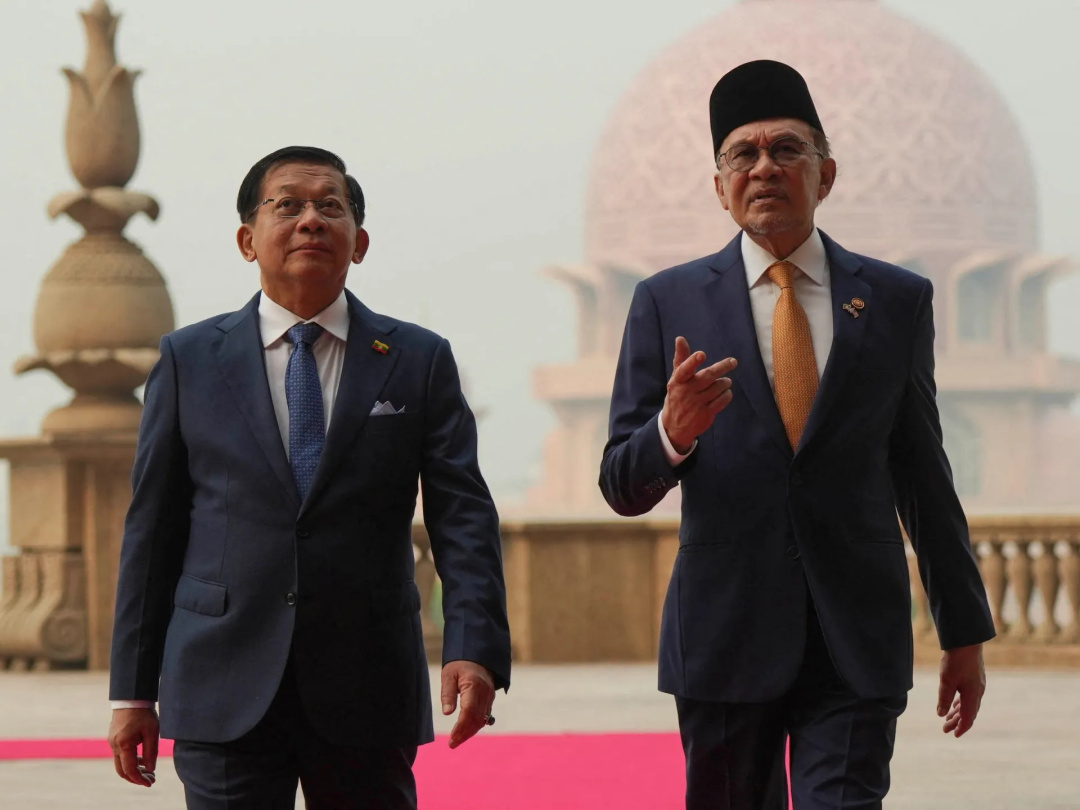
In a move that defies logic and basic human rights, Malaysia has invited Myanmar's coup leader-turned-president Min Aung Hlaing, insisting it's merely a diplomatic necessity and not, you know, a tacit endorsement of his regime. The Prime Minister’s office now operates on a mantra of ‘No questions, just answers... that we won't provide.’
Upon his arrival, Hlaing was welcomed with fanfare typically reserved for rock stars or beloved heads of state, not a general responsible for a civil war that has killed over 100,000 people. At a lavish luncheon, PM Anwar Ibrahim stated that Myanmar was ready to take back its nationals, which is a clear indication that Malaysia is willing to turn a blind eye to the ongoing atrocities in Myanmar in exchange for a semblance of normalcy.
Still Beats Watergate:
Sponsor success. Continue reading:
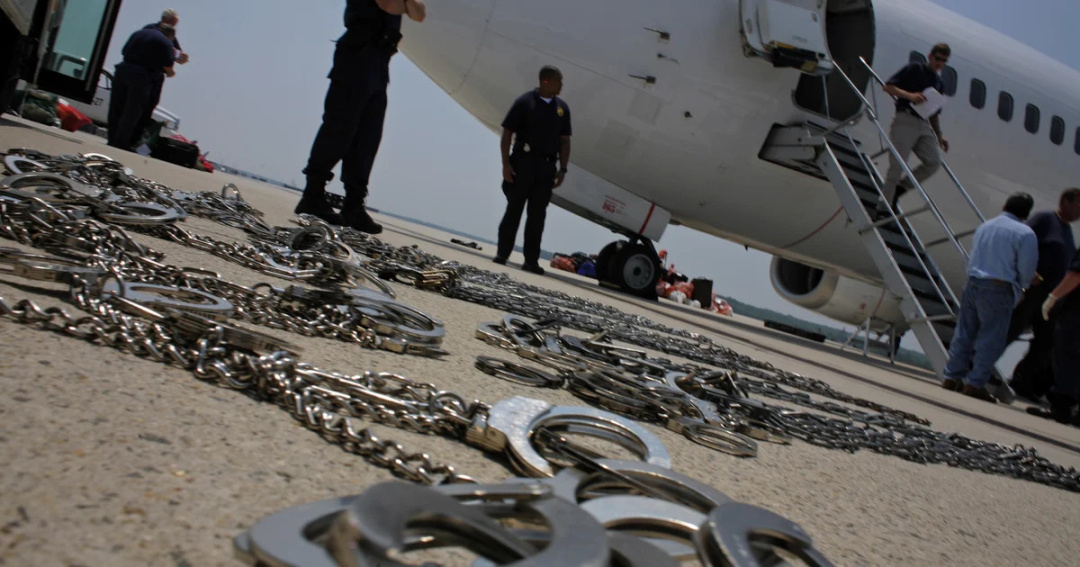
As tensions escalate in Myanmar, the international community watches in horror as Malaysia prepares to send Navy ships to repatriate Rohingya refugees, apparently under the assumption that weather conditions are more favorable than human rights considerations. Nothing says goodwill like sending people back to the very regime from which they fled, right?
The Malaysian government’s intention to reintegrate Myanmar into ASEAN has left many scratching their heads—primarily because it seems to prioritize regional stability over the well-being of millions of displaced individuals. Anwar's commitment to 'constructive dialogue' sounds eerily similar to a bad motivational poster, one that overlooks the very real suffering on the ground.
While Malaysia is cozying up to Hlaing, it’s worth noting that international legitimacy is like a warm blanket for a cold winter night—it can keep you warm until you realize it’s filled with rusty nails. Hlaing’s charm offensive isn’t just limited to ASEAN; he’s also been working hard to woo the likes of India, China, Russia, and Belarus, who must feel like they've hit the jackpot with a partner so eager to downplay human rights abuses while seeking trade deals.
Diplomacy Amidst Ongoing Violence
Still, these diplomatic maneuvers have not quelled the violence in Myanmar. Hlaing’s calls for peace talks ring hollow as his forces conduct airstrikes that would make a drone operator blush with envy. The ongoing conflict reveals the absurdity of soft diplomacy; it’s as if ASEAN leaders are hoping that a friendly handshake will magically resolve the crisis, while the sound of bombs dropping serves as a rather loud backdrop.
As nations like Indonesia and Brunei prepare to roll out their own welcome mats for Hlaing, the question looms: how many human rights abuses can be ignored before the world collectively decides to hit ‘pause’ on this tragic farce? But until then, Malaysia’s diplomatic acrobatics continue to dazzle while the curtain conceals the chaos backstage.
Your Takeaway
In the end, Malaysia’s strategy appears to be one where pragmatism supersedes morality. Anwar may see himself as a bridge-builder, but one must wonder what kind of bridge is being constructed: one that connects hearts and minds or one that leads directly to the proverbial slaughterhouse. The military junta gains international clout at the expense of its most vulnerable citizens, and as the world looks on, the cheers of ASEAN leaders seem to echo hollowly in a room full of suffering.
With the international community seemingly approving this charade, the only real question remains: what will it take for these leaders to realize that legitimacy doesn’t come from red carpets, but from accountability? Until then, Malaysia will likely continue its dance with dictatorship, all while the victims of this charade remain voiceless and unseen.