ICE Says Body Cameras Should Stay Off Until Further Notice
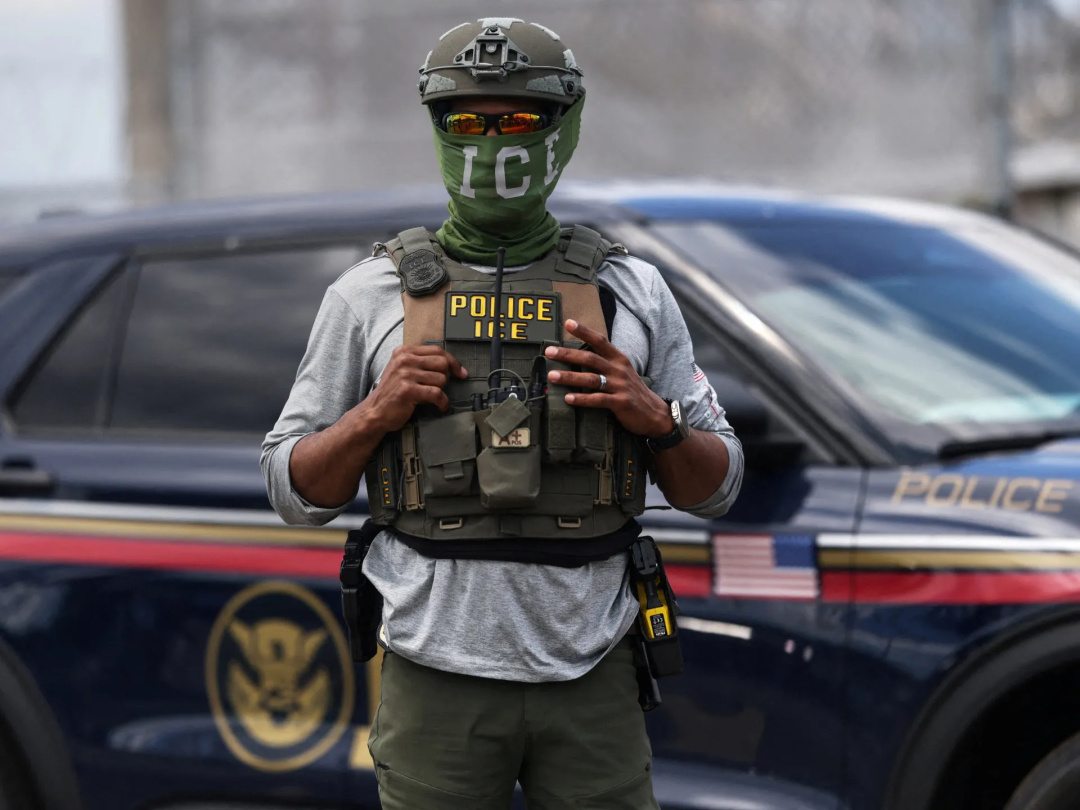
Immigration and Customs Enforcement (ICE) has taken a strong stance against the implementation of automatic body cameras, declaring that their agents would prefer a world where the camera stays off until they personally deem it necessary to document an incident—presumably while standing atop a freshly deported immigrant's luggage. This latest decision comes in the wake of a Government Accountability Office report suggesting that automatic activation of these cameras would be beneficial during unforeseen ‘incidents’, but who needs that kind of hassle?
According to ICE, these cameras should only roll when agents feel like it, citing privacy concerns that apparently extend to their own recorded misdeeds. You know, the kind of privacy that protects agents from being caught on tape during the kind of ‘unexpected’ incidents that lead to excessive force complaints. Instead of embracing full transparency, ICE has opted for a more avant-garde approach—transparency with the lights turned out! Those privacy concerns seem much more pressing than ensuring accountability in an era where excessive force has become the norm.
Still Beats Watergate:
Sponsor success. Continue reading:
In the face of public pressure, the agency remains steadfast. After all, who wouldn't want to keep a few skeletons safely hidden in the dark? An ICE spokesperson argued that allowing automatic activation of these cameras could risk unauthorized recordings of sensitive interactions. One wonders if that includes interactions with local law enforcement while out in the field, or perhaps just those with a particularly incriminating disposition.
The Trump administration has clearly positioned itself as the protector of those traditional values, where transparency means looking through tinted windows. Meanwhile, as incidents involving ICE agents have escalated—most notably with the agency being involved in numerous shootings—the call for better documentation of these events continues to be ignored.
The Case for Transparency in Enforcement
Critics have pointed out that video evidence could clarify many contentious agency actions, but the agency seems unbothered; they’d rather let the narrative unfold without any pesky video footage complicating their tales of bravery against aggressors who have suddenly turned their cars into weapons. And isn’t it easier to govern when you don’t have to answer for the actions of your agents?
As ICE continues to operate under the cloak of 'privacy', one might imagine that their next step is to introduce body cameras that only activate during the daylight hours or before a press conference, just to keep things interesting. Certainly, the agency is willing to ensure that their enforcement tactics remain as opaque as possible, promoting the idea that ignorance truly is bliss.
A Surreal Approach to Accountability
While public protests and demands for reform grow louder, ICE remains committed to its unique brand of miscommunication, where accountability is merely a suggestion rather than a standard. This response not only reflects a profound disconnect from public expectations but also raises the question of what transparency really means in the world of federal enforcement.
As the agency continues its operations with cameras off, one can't help but think that perhaps they are onto something—a strategy that could redefine law enforcement’s relationship with public scrutiny. After all, if no one can see it, did it even happen?