Trump Proposes New Anti-Leak Policy: Shoot First, Ask Questions Later
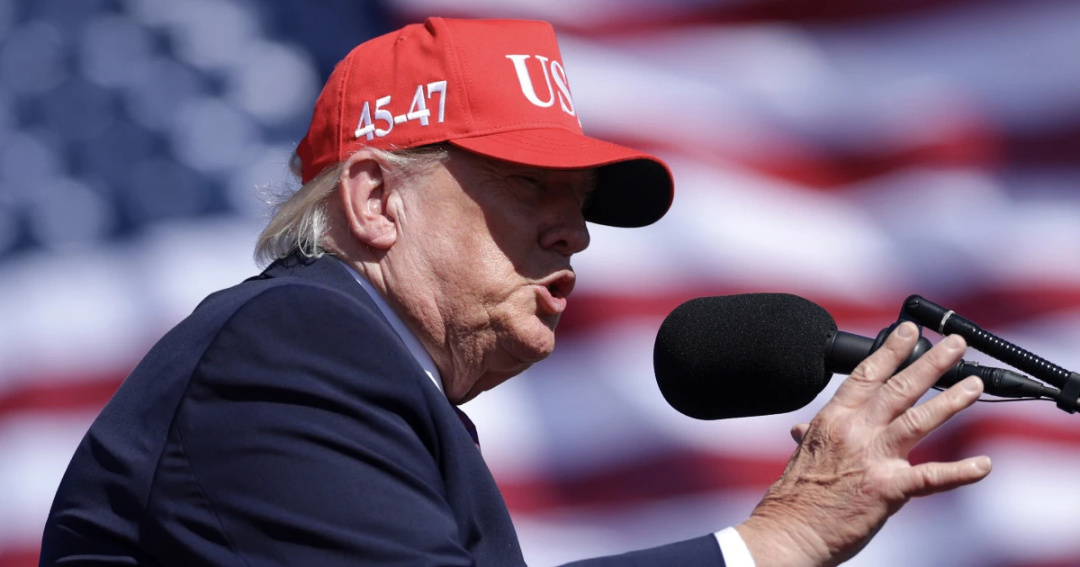
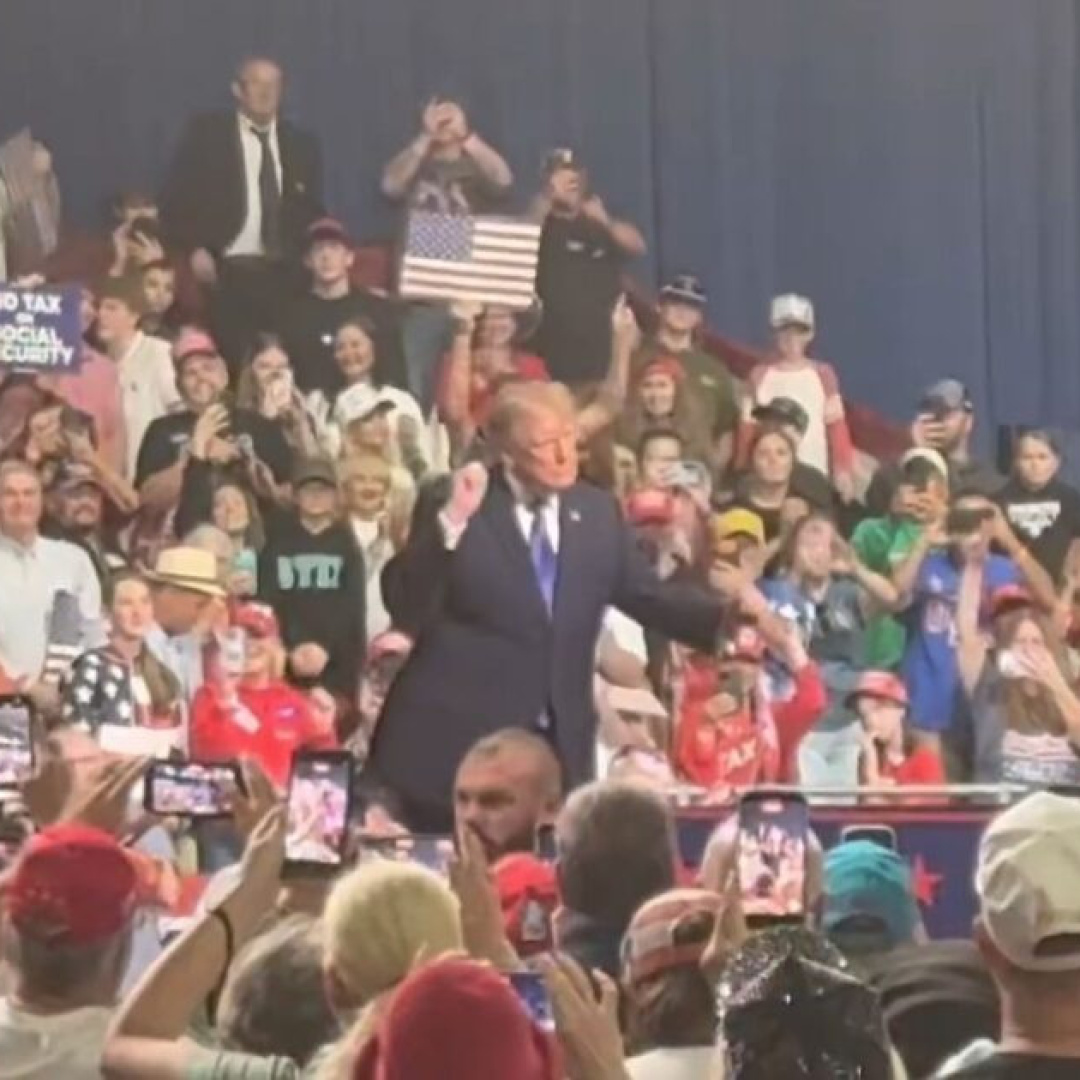
At a campaign rally in Arizona, President Trump unveiled his bold strategy to combat leaks within the government, dramatically declaring, "Leakers should be shot!" It's clear he believes in an unorthodox yet straightforward approach: if you leak, you better be prepared for the worst-case scenario. This policy suggestion raises eyebrows, making one wonder about the future of governmental accountability and transparency.
Trump’s remarks came with a theatrical flair as he recounted, in vivid detail, an alleged incident where sensitive information about a planned military raid was leaked. According to him, a "sleazebag" exposed the time of departure for a strike on Iran—an operation he insisted was still successful, despite the leak. In a world where one might think accountability is key, Trump seems to be advocating for a rather extreme form of immediate consequence over careful dialogue.
Still Beats Watergate:
Sponsor success. Continue reading:
The president went on to imply that journalists fall into the same category as leakers, equating their reporting to unauthorized disclosures of classified information. He pointed out the reporters at his rally, calling them the "true Enemy of the People." With such a sweeping statement, it becomes apparent that Trump is not just targeting leakers but aiming a cannon at anyone who dares to challenge his narrative.
In the backdrop of Trump’s cavalier approach to leaks, the administration has already taken steps to crack down on what it perceives as disloyalty. With federal agencies pushing for nondisclosure agreements and more stringent compliance checks, one has to wonder about the impact on whistleblowers who aim to bring sunlight to government processes.
Escalating the Fear Factor
In a move that can only be described as a leap into authoritarianism, Trump endorsed the idea that federal employees should fear for their lives if they dare leak information. This chilling perspective raises the stakes not just for government workers, but for the public's right to know what is happening behind closed doors. If the measure becomes policy, the longstanding tradition of whistleblowing—an act that has often led to significant governmental reforms—might vanish into the shadows.
Moreover, Trump's administration has taken its enforcement measures to a new level, with the Joint Staff reportedly subjected to polygraph tests to root out leaks. The chilling implication here is that the administration views transparency as a threat rather than an asset, effectively stifling dissent and discussion.
In the grand theater that is the Trump administration, the curtain is drawn tighter around transparency, revealing a stage filled with fear, intimidation, and a serious lack of accountability. If proposed policies like shooting leakers gain traction, the question looms: who will be brave enough to speak up for the greater good?
Applied to You
The ramifications of these words stretch beyond the immediate implications of Trump's rhetoric. As the conversation pivots to potential policies that might emerge from this climate, one cannot help but ponder the delicate balance between national security and the public's right to know. The very notion that leakers should face execution could redefine the landscape of governmental information sharing, turning it into a war zone of silence. As we watch this unfold, we must remain vigilant and question how far the administration is willing to go to suppress dissenting voices, and what that means for democracy as a whole.