Cornell University Bans Frat Parties, Promises New Policy That Will Definitely Work This Time
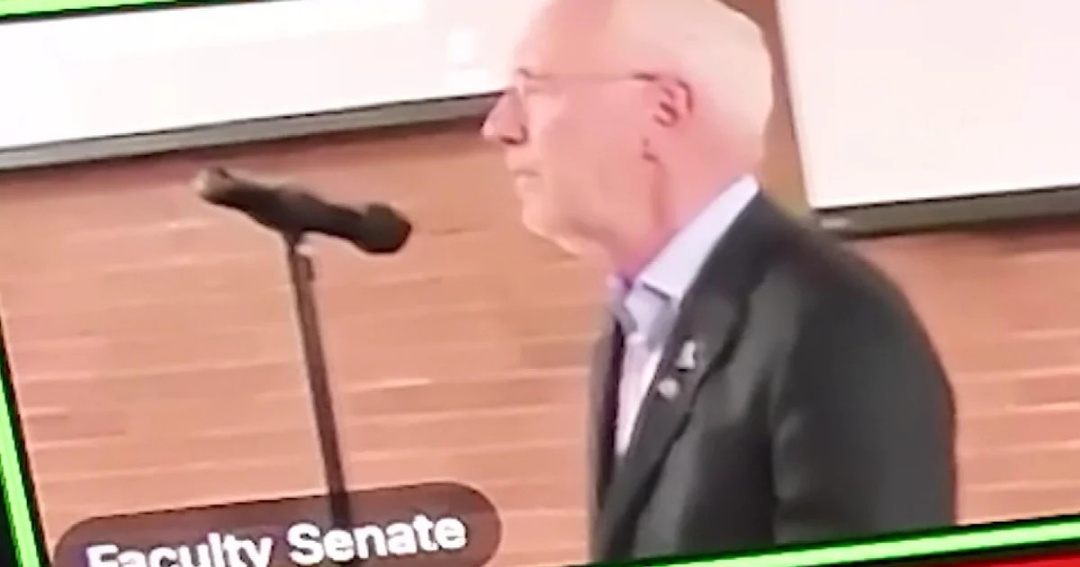
In a decisive yet peculiar response to an alleged gang rape that has rocked the campus, Cornell University has announced a ban on all fraternity parties until the academic year ends. University President Michael Kotlikoff, perhaps hoping that a wise yet vague policy change will magically fix everything, stated that this measure is designed to allow for a thorough review of fraternity life at Cornell. Because nothing says "we take this seriously" like canceling parties.
This latest ban comes after a lawsuit was filed by a former student, referred to as Jane Doe, who claims she was assaulted during a fraternity bash. This has prompted outrage not only from students but also from a collection of upset faculty and alumni, all of whom seem to be wondering how a university famed for its academic rigor could possibly overlook such a critical issue. Maybe they were too busy focusing on their next frat-themed party.
In a statement, Kotlikoff assured everyone that the university would be hiring additional staff to support survivors of sexual assault, a plan that sounds noble but is also reminiscent of putting up a “wet floor” sign after someone has already slipped. The administration's response demonstrates a striking trend in modern institutional behavior: taking action that may look good on paper while avoiding any real responsibility for the underlying issues.
With the Interfraternity Council and its 34 houses facing scrutiny, one can only imagine the kind of brainstorming sessions that will ensue. Will they choose a new name for the frat houses? Perhaps changing "fraternity" to "brotherhood of non-partying individuals" could be on the table? This would keep the spirit alive while maintaining a sense of decorum.
Political Drama Meets Campus Controversy
Adding to the delightful chaos, former President Trump has thrown his hat in the ring, demanding that Attorney General Letitia James be removed from the case, likely because he believes her commitment to justice could disrupt the frat party’s future. It appears that, in the world of political theatrics, even a university scandal can become fodder for personal vendettas.
Applied to you
As the investigation into the alleged assault reopens, it’s fascinating to see how the university is trying to juggle accountability with preserving its party culture. Perhaps a compromise could be found—like hosting tea parties instead of frat parties to ensure the safety of all students while still keeping traditions alive. After all, nothing says fun like a good scone and a round of finger sandwiches!
This brave move by Cornell not only highlights the ongoing culture of sexual violence on campuses but also underscores the absurd lengths institutions will go to claim they’re addressing serious issues while genuinely continuing to sidestep real solutions. After all, if banning parties were a cure-all, we might just find all our problems solved by the end of the semester!