White House Promises to Secure Power Grid While Lighting Batteries on Fire
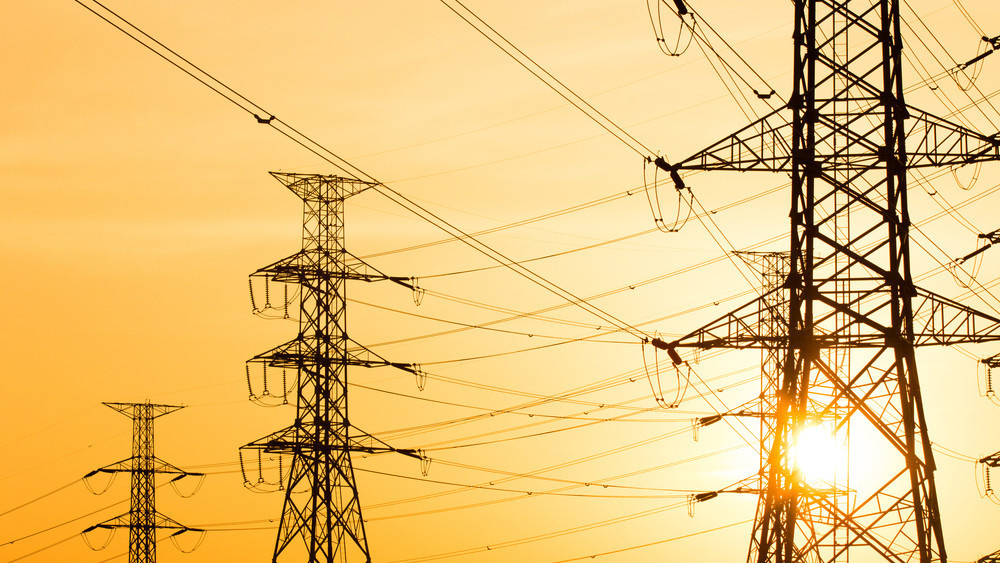
In an audacious display of administrative theatrics, the White House rolls out a shiny new executive order like a kid showcasing a half-finished craft project. This latest decree aims to secure the US power grid against dastardly foreign devices—specifically those made in China. However, in a plot twist worthy of a telenovela, it appears the order might do more to disrupt the nation's battery storage than anything else, leaving the very backbone of the AI boom frantically waving its hands in the air.
The executive order, cleverly dubbed Executive Order 14421, lists a whole buffet of substation transformers and circuit breakers as the target of its protective embrace. But analysts at Rystad Energy have delivered a stark warning: while the US has already pulled itself away from heavy reliance on Chinese transformers, it’s still hooked on those sweet, sweet lithium-ion batteries—50% of which come from the land of karaoke and kung pao chicken. It’s like locking the barn door after the horse has already joined a horse race in Beijing.
Still Beats Watergate:
Sponsor success. Continue reading:
Now, the irony thickens. The White House proclaims that everything is under control—except, of course, for the battery supply, which is experiencing a shortage of alternatives. The order is supposed to combat national security risks posed by foreign dependencies, yet it may just end up tossing a lit match into the already shaky battery supply chain. As it stands, no other country seems keen on stepping up to fill the void left by the departed Chinese suppliers, leaving the U.S. tech industry facing a dire shortage of battery resources, just when they need them most.
According to Geoffrey Hebertson, a Senior Analyst at Rystad, this order is written around the grid's safety while leaving battery supply chains vulnerable, like a castle fortified against arrows but leaving the back gate wide open to marauding armies. In a world where data centers and AI are vying for every last drop of power, the order’s timing could hardly be worse. We’re talking about a critical moment in tech history potentially colliding with bureaucratic blunders. The tech industry is now in a race against time, with procurement teams desperately trying to navigate the labyrinthine regulations of the new order.
The Risks of Overreaching Regulations
This executive order might just be the administrative equivalent of a magician pulling a rabbit out of a hat—except that the rabbit is a half-eaten energy policy and the hat is a mess. If ownership definitions in the forthcoming rulemaking are too broad, even suppliers in South Korea and Mexico could fall under scrutiny, turning what is meant to be a solution into part of the problem.
As the December rulemaking looms, all eyes will be on how broadly the Secretary of Energy interprets the order. If it turns out that suppliers assembling components in friendly nations are classified as "Covered Foreign Entities," the entire tech industry could find itself in a quagmire, trying to untangle a supply chain that was supposed to bolster its infrastructure but has instead become a chokehold.
Your Takeaway
The stakes are extraordinarily high, and the implications of this executive order could fundamentally reshape the landscape of America’s tech ambitions. The joke may very well be that while the White House focuses on securing the grid, it’s inadvertently setting the stage for a blackout of its own making. As the nation races towards an AI-driven future, it might just trip over its own regulatory feet, leaving the lights off and the machines silent.
As this unfolding saga suggests, the road to energy independence is fraught with unexpected detours, particularly when those running the show seem unaware of the consequences of their own directives. If America’s path to battery security isn't carefully navigated, the bright future of AI could be overshadowed by a very dark reality.