President Prabowo Promises 200 Cultural Sites Will Be Revitalized—If They Can Find Them First!
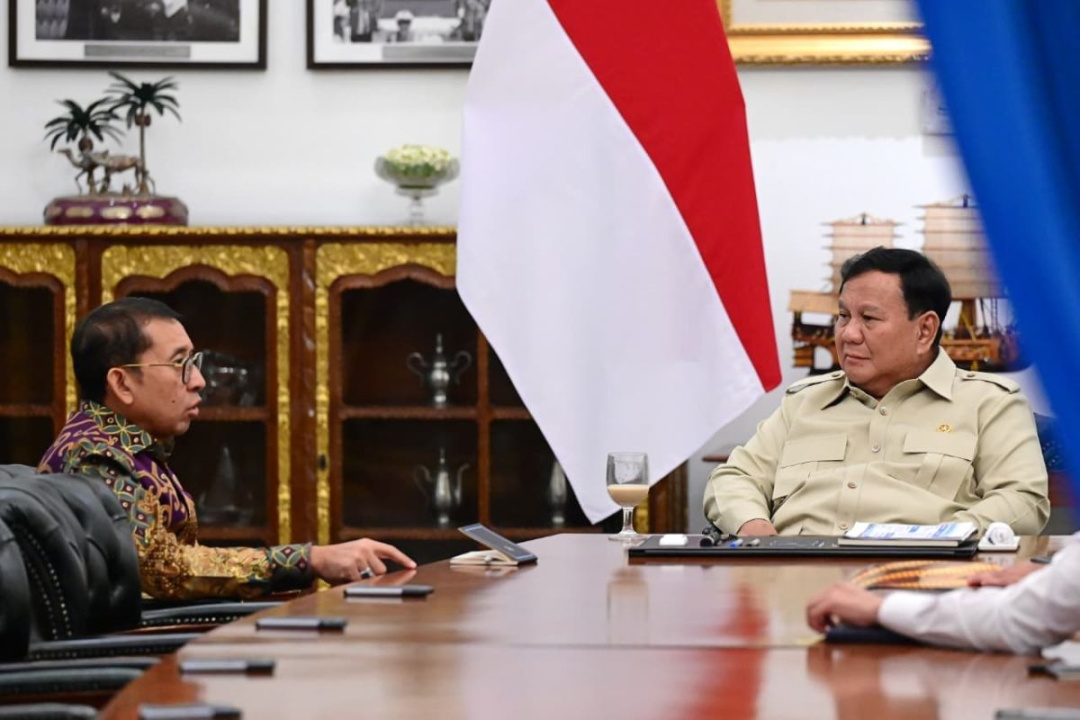
In an extraordinary display of ambition, President Prabowo Subianto has unveiled a plan to revitalize over 200 cultural sites across Indonesia by 2026. The initiative promises to not only restore museums and royal palaces but also to enhance our understanding of history—if only they can find these cultural relics first in the depths of bureaucratic oblivion.
During a meeting at the illustrious Merdeka Palace with Culture Minister Fadli Zon, the President emphasized the importance of museums that don’t just exist as dusty buildings, but as vibrant, engaging spaces where history comes to life. Yet, one has to wonder: when was the last time anyone actually visited a museum without it being a school field trip? The government’s vision appears to pivot not just on physical restoration but on the ability to make these sites so enticing that even the most dedicated TikTok user might stop scrolling.
Still Beats Watergate:
Sponsor success. Continue reading:
"We're not just throwing paint on the walls," declared Cabinet Secretary Teddy Indra Wijaya, who also suggested that if they can't find the heritage sites, they could always just create a new app that allows people to explore the 'lost' relics in a virtual reality setting. This would be particularly appealing to the youth who, as Teddy noted, would rather scroll through their phones than look at a painting that isn’t Instagrammable.
As part of this grand vision, the administration has also promised to strengthen the professional capabilities of museum staff. This initiative is viewed as crucial since, let’s face it, a guide who can barely explain the concept of a painting will do nothing to inspire confidence in the relics of the past. The upcoming training sessions will likely focus on the delicate balance between historical accuracy and captivating storytelling—after all, who wouldn’t want to hear about the exploits of ancient kings while sipping on a latte?
But the crown jewel of this revitalization plan is the incorporation of digital technology. With promises of interactive experiences, the government aims to create a museum-going experience akin to playing a video game—complete with virtual reality headsets that transport visitors to the days of yore while forgetting that they still need to navigate traffic to get there.
Cultural Heritage in a Digital Age
Ultimately, as President Prabowo eloquently stated, preserving cultural heritage is essential for maintaining national identity. However, if history is taught through a series of TikTok dances and flashy graphics, one has to ponder whether the future generations will find pride in the relics of their ancestors or just in mastering the latest video editing app.
With ambitions running high and the cultural sites apparently in hiding, one can only hope that Indonesia's plan for revitalization doesn’t end up being just another initiative lost in the vast sea of governmental promises, resembling something more akin to a scavenger hunt than a historical restoration.
Your Takeaway
As Indonesia marches toward 2026, the challenge will be transforming the dust-covered archives into thriving centers of knowledge without losing authenticity in the process. Will the blending of digital technology and historic preservation yield a new generation of cultural enthusiasts, or will it just create another layer of confusion? Only time will tell. Meanwhile, as the government pushes forward, one can only hope they pack a GPS along with their restoration plans.
For now, the nation waits with bated breath, wondering if they will see a rejuvenation of cultural pride or just another set of well-intentioned projects that never quite come to fruition. Let's hope for vibrant museums, not just vibrant marketing campaigns!