Independent Senate Candidates Vow Independence, but Not from Democratic Donations
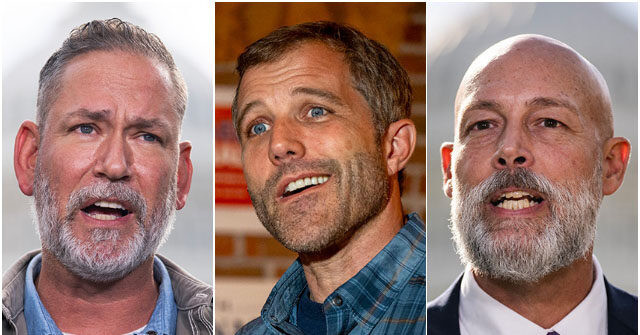
At a recent press conference, three U.S. Senate candidates, all running as independents in the heart of red states, emphatically declared their commitment to independence, vowing not to caucus with either the Republicans or the Democrats. The trio, hailing from Nebraska, Montana, and South Dakota, used their joint appearance to reject the Republican tag of being "Democrats in disguise," while conveniently overlooking their well-documented fundraising ties to the very party they adamantly claim to distance themselves from.
Brian Bengs from South Dakota kicked things off with a proclamation of his independence, stating, "I will not support Chuck Schumer or John Thune for Senate leader." This declaration, while stirring, falls flat when you consider his enthusiastic fundraising efforts from Democratic-led sources. After all, it’s hard to argue you’re an independent if the bulk of your campaign cash comes courtesy of the party you supposedly oppose.
Still Beats Watergate:
Sponsor success. Continue reading:
Seth Bodnar of Montana joined the chorus, emphasizing his military service as a reason for purging partisanship from his Senate ambitions. "In the Army, nobody ever asked what party the soldier next to you belonged to," he declared. Which is a great sentiment, but let’s not forget that when it comes to campaign financing, parties definitely check your allegiance before handing over the cash. It seems that answering to the people only applies when it doesn’t conflict with the influence of big donors.
Then there’s Dan Osborn of Nebraska, who proudly claimed, "We’re not going to caucus with either party. In fact, we’ll caucus with everybody." Ah yes, the classic maneuver of claiming neutrality while simultaneously dancing with every party willing to fill your campaign coffers. Osborn’s insistence that he’s a lifelong independent might hold more weight if it weren’t for the Democratic groups that have poured millions into his campaign, all while he assures voters he's the one truly fighting for Nebraska.
The National Republican Senatorial Committee was quick to label this press conference a "Fake Independent circus," highlighting the irony of candidates professing independence while being funded by the very party they claim to reject. In a political landscape riddled with strategic maneuvering, these independents are attempting to leverage their outsider status while cozying up to Democratic donors, a balancing act that makes tightrope walking look easy.
As the candidates continue to assert their independence, it seems the only thing they’re truly independent of is accountability. Voters may be left wondering if these candidates can genuinely remain above party politics when their campaigns are so closely tied to party fundraising efforts. In the end, it might be that their independence is less about ideology and more about keeping their options open for political gain.
The Fine Line of Political Allegiance
With the Democratic Party openly strategizing to support independents in solidly red states, it raises questions about the sincerity of these candidates’ intentions. Are they champions of the people, or simply savvy opportunists adjusting their narratives to fit the fundraising landscape? The candidates’ rhetoric suggests a commitment to the voters, but the figures from their financial backers tell a different story.
As these candidates march toward the elections, their mantra of independence will be tested in the face of scrutiny over their affiliations and funding sources. Will they stand firm on their promises, or will the lure of party support prove too tempting? Only time will tell if their independence is a genuine stance or merely a clever disguise for party politics in a new packaging.
Your takeaway
In the world of modern politics, independence often comes with strings attached. As these Senate hopefuls campaign on their commitment to the people, it’s essential for voters to scrutinize not just their words, but their financial ties. Independence may be the name of the game, but the underlying reality of campaign funding might just tell a different story altogether.